
American Revolution Teetered on Collapse
The American Revolution almost failed due to lack of training and equipment. Continental Army troops struggled with 90% lacking proper gear. This harsh reality is often overlooked in historical narratives.
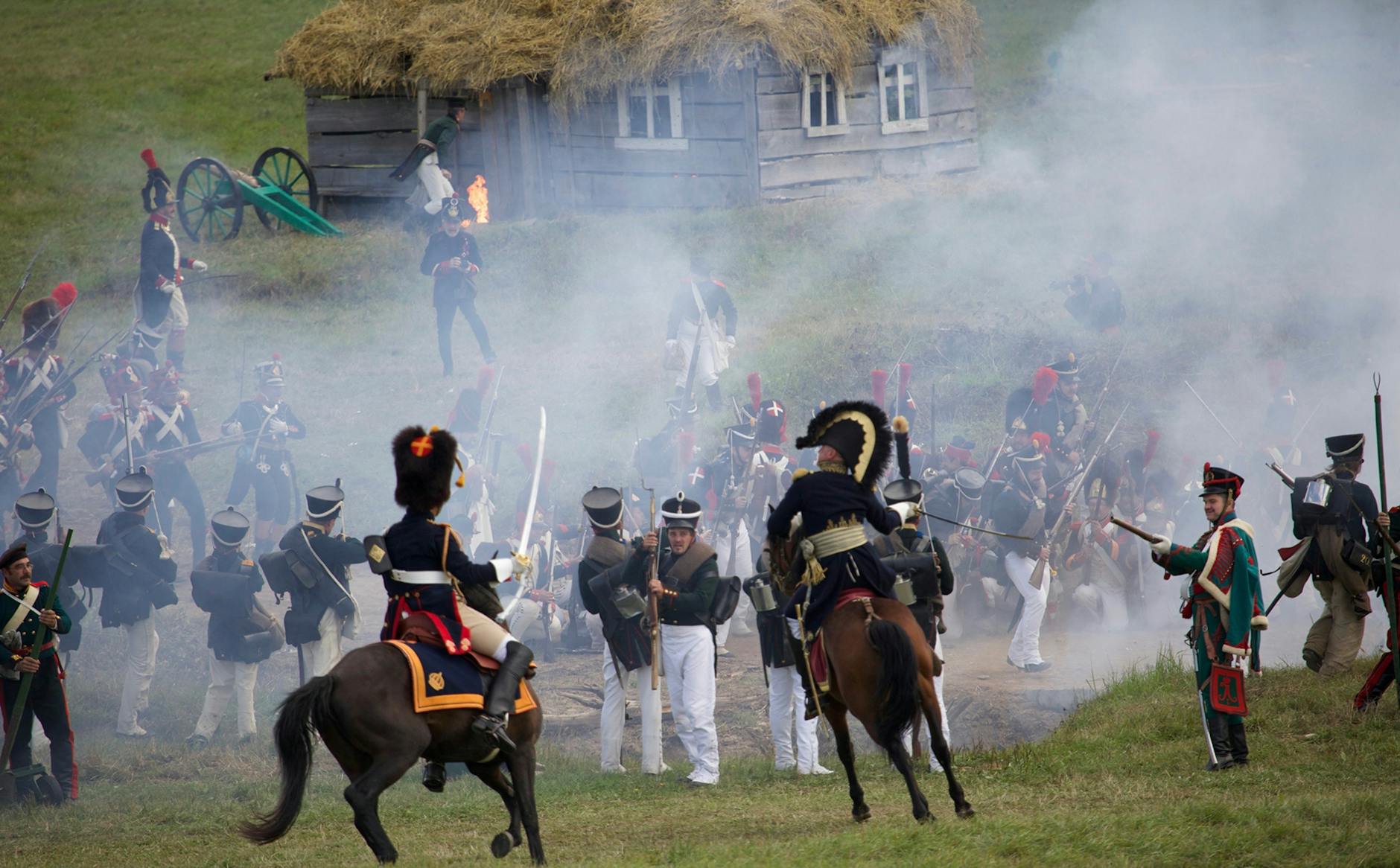
Photo by Dmitrii Fursov on Pexels
The Revolution That Almost Collapsed Before It Began
In the summer of 1776, the Continental Army was not an army. It was a collection of farmers, merchants, and laborers who had signed up to fight the British. They had no uniforms. They had no shoes. They had no training. They had muskets that did not work. They had powder that was wet. They had officers who did not know how to command. They had a general, George Washington, who had never commanded an army in the field. They were supposed to defeat the most powerful military force in the world.
They almost did not survive the first year. The British came. They landed in New York. They drove the Continental Army out of Brooklyn. They chased them across Manhattan. They chased them across New Jersey. The army that Washington had been trying to build was collapsing. Men deserted. Whole regiments dissolved. Washington wrote to his brother that he thought the game was nearly up. It was December 1776. The war had been going on for six months. It was almost over.
What Everyone Knows
The American Revolution is remembered as a triumph. The thirteen colonies united against British tyranny. The Declaration of Independence was signed. The Continental Army, led by George Washington, defeated the British. The narrative is taught in schools, celebrated on the Fourth of July, embedded in the national identity. It is a story of courage, of determination, of the triumph of the underdog.
What is less often emphasized is that the underdog almost lost. The army that Washington led was not the army that is remembered. It was a ragtag force that was beaten, demoralized, and on the verge of dissolution. The revolution that succeeded was a revolution that almost failed.
What History Actually Shows
The Continental Army was formed in 1775, after the battles of Lexington and Concord. It was not a national army. It was an army of volunteers. The men who joined did so for a variety of reasons: patriotism, adventure, money. They were not professional soldiers. They did not know how to march in formation. They did not know how to use their muskets. They did not know how to take orders. Washington, who had been appointed commander-in-chief, was a Virginia planter who had fought in the French and Indian War. He had never commanded an army. He had never led men in a major battle. He was learning on the job.
The army that Washington commanded was not equipped. There were not enough muskets. There was not enough powder. There were no uniforms. The men wore their own clothes. They wore hunting shirts. They wore civilian coats. They wore rags. In the winter, they did not have blankets. They did not have shoes. They left footprints in the snow that were red with blood.
The army was not paid. The Continental Congress had no money. It could not tax. It could only print paper money that was worthless. The soldiers were promised pay. They did not receive it. They were promised food. They did not always receive it. They were promised clothing. They did not receive it. They were promised that the war would be short. It was not.
The Part That Got Buried
The revolution almost failed because the army almost collapsed. In the summer of 1776, the British landed in New York with 32,000 men, the largest expeditionary force ever sent by Britain. Washington had 20,000 men. They were outnumbered. They were outgunned. They were outmaneuvered. The British drove them from Long Island, from Manhattan, from New Jersey. The army that had been 20,000 men was reduced to 3,000. The men who remained were sick, hungry, demoralized. Washington wrote to his brother: "I think the game is pretty near up."
The game was not up. Washington crossed the Delaware on Christmas night. He attacked the Hessian garrison at Trenton. He won. He attacked the British at Princeton. He won. The victories were small. They were not decisive. But they changed the mood. The army that had been on the verge of collapse was revived. The revolution that had been on the verge of failure was renewed.
The Ripple Effect
The revolution did not end in 1776. It continued for seven more years. The army that Washington led was never a professional army. It was always short of men, short of supplies, short of money. It was always on the verge of collapse. It did not collapse. The men who stayed did not stay for pay. They did not stay for glory. They stayed because they believed in what they were fighting for. They stayed because Washington stayed. They stayed because they had already given up everything, and there was nothing left to give up but their lives.
The revolution succeeded. It succeeded because the army did not dissolve. It succeeded because Washington held it together. It succeeded because the British, who had the best army in the world, could not find a way to defeat an enemy that would not stand and fight. It succeeded because the French entered the war, because the British public turned against the war, because the world changed. It succeeded. It was not inevitable.
The Line That Says It All
The Continental Army that fought the American Revolution was an army of farmers who had no shoes, no uniforms, no training, no pay, and no experience—and they almost lost, they were driven out of New York, out of New Jersey, out of Philadelphia, they spent the winter at Valley Forge without food, without clothing, without shelter, they were on the verge of collapse for eight years—and they did not collapse, because the man who led them would not let them, because they believed that what they were fighting for was worth dying for, because they had already given up everything, and there was nothing left to give up.


