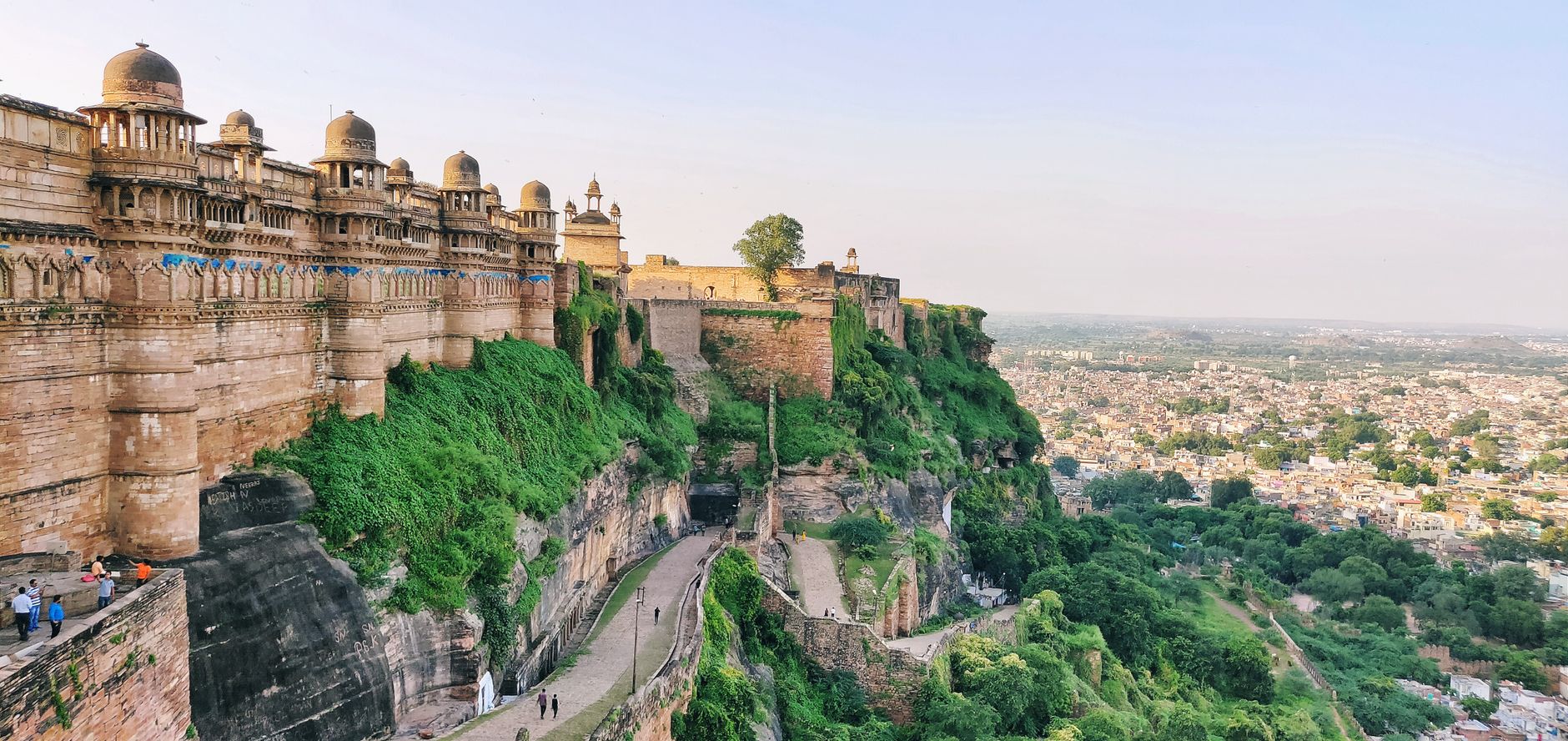
Ancient India's Forgotten Democratic Revolution
The Licchavi Republic in ancient India sparked a democratic shift 200 years before America. This revolution laid the foundations of modern democracy, influencing the way societies were governed. The Licchavi Republic's impact on democracy has been lost in the annals of time, but its legacy remains.
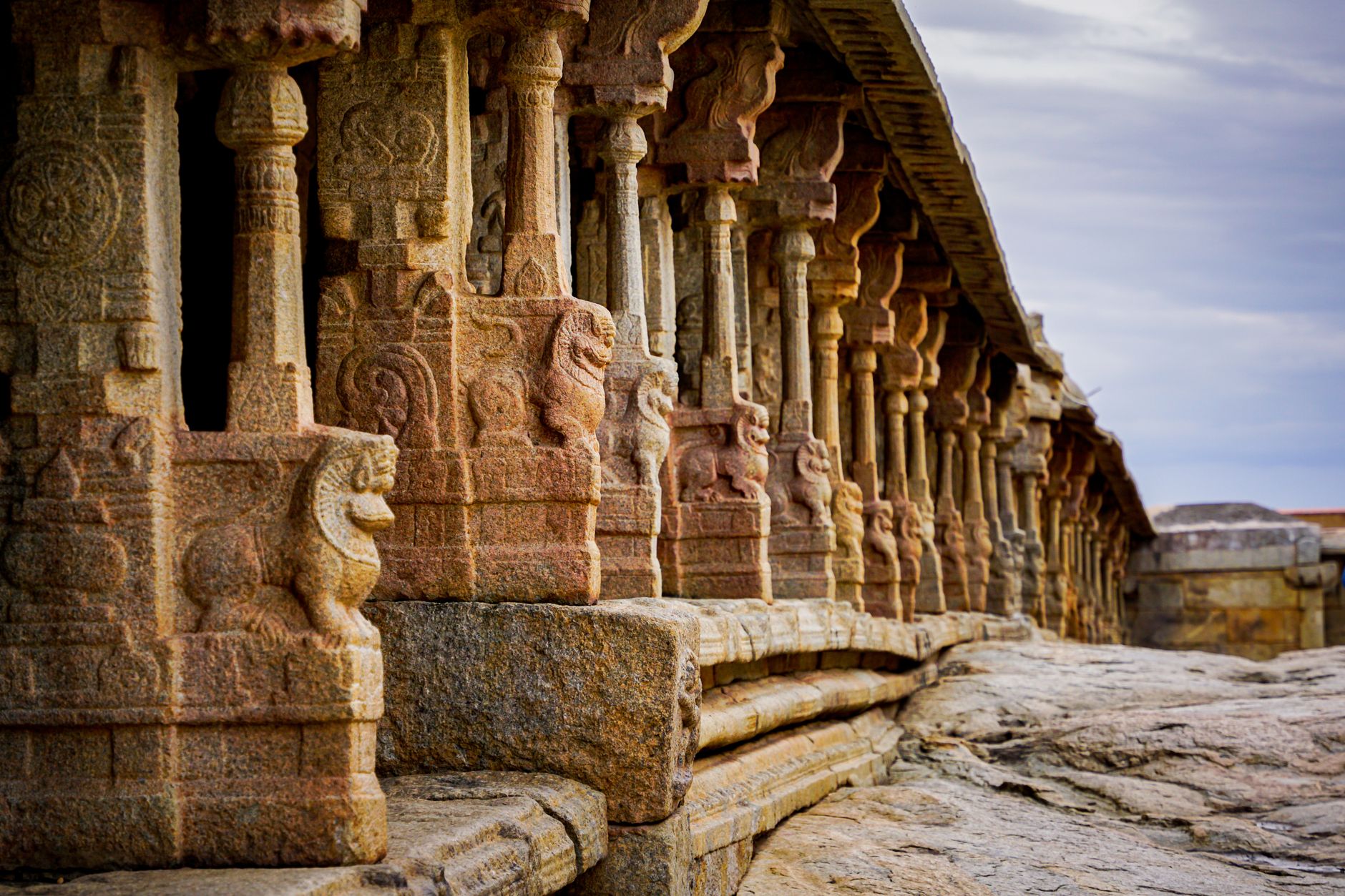
Photo by Neeraj Mohan on Pexels
The Indian Republic That Practiced Democracy 2,000 Years Before America
In the 6th century BCE, a confederation of tribal clans in what is now Bihar, India, established a system of government that would not look unfamiliar to a modern citizen. They elected representatives. They debated policy in an assembly. They held their leaders accountable. They did not have a king. The Licchavi Republic, centered on the city of Vaishali, functioned for nearly three hundred years as a state governed by its citizens, not by a monarch or a priestly class.
The Licchavi were not an isolated anomaly. Across northern India, the 6th and 5th centuries BCE saw the rise of multiple gana-sanghas—literally "assembly-rule"—where political power rested in councils of elected representatives rather than hereditary rulers. The Licchavi were the most prominent. Their republic was described in detail in Buddhist and Jain texts, which survive to this day. When the Mauryan Empire absorbed the Licchavi territories in the 4th century BCE, the empire's founder, Chandragupta Maurya, adopted elements of their administrative system for his own imperial bureaucracy.
What Everyone Knows
The standard history of democracy begins in Athens. The Athenian system, with its citizen assemblies, its juries, and its ostracism of overreaching leaders, is taught as the foundation of Western political thought. The narrative then jumps to the Roman Republic, then to the English Parliament, then to the American and French Revolutions. Democracy, in this telling, is a European invention that spread to the rest of the world.
What this narrative omits is that while Athens was experimenting with direct democracy, the Licchavi were experimenting with representative democracy on a scale that Athens never attempted. Athenian citizenship was restricted to adult male Athenians, a fraction of the population. The Licchavi system, while not universal, represented a broader coalition of clans and interest groups than Athens ever accommodated. And the Licchavi did it without slavery as the foundation of their economy.
What History Actually Shows
The Licchavi Republic was one of sixteen mahajanapadas, or great states, that dominated northern India during the Buddha's lifetime. Buddhist texts describe the Licchavi as a confederation of eight clans, each of which sent representatives to a central assembly in Vaishali. The assembly met regularly to debate policy, resolve disputes, and elect the chief executive—a position that rotated among the clans. The assembly also maintained a standing army, controlled the treasury, and conducted diplomacy with neighboring states.
The Licchavi system was not a democracy in the modern sense. Not all residents of the territory were citizens. Citizenship was tied to clan membership, and the clans themselves were stratified. But the key distinction was that the Licchavi had no hereditary ruler. The assembly was supreme. Decisions were made through debate and consensus. The executive was elected, not born.
Greek historians of the period, writing about India through Persian intermediaries, noted the existence of these "free cities" and "republics" with some amazement. The Greek term for them was aristokratia—rule by the best—but they were clearly distinct from the monarchies that surrounded them. The Licchavi were so renowned for their political organization that the Buddha reportedly warned his followers against invading their territory. According to the Mahaparinibbana Sutta, the Licchavi would be unconquerable as long as they remained united and governed themselves.
The Part That Got Buried
The Licchavi Republic was absorbed into the Mauryan Empire around 350 BCE. The absorption was not a conquest in the usual sense. The Mauryan emperor Chandragupta, who had trained in the universities of the Licchavi region, incorporated Licchavi political structures into his own administration. The empire that unified most of the Indian subcontinent was built, in part, on the administrative innovations of the republics it absorbed.
The republics themselves did not disappear entirely. Buddhist texts describe the Licchavi continuing to manage their internal affairs under Mauryan suzerainty. But the era of independent gana-sanghas ended with the rise of centralized imperial power. The Mauryan Empire, and the Gupta Empire that followed it, favored monarchy over assembly rule. The republics were remembered, but not revived.
The British colonial historians who wrote the first comprehensive histories of India in the 19th century had little interest in the Licchavi. They were looking for empires, for dynasties, for the kinds of political structures they understood. A pre-modern republic did not fit their framework. The Licchavi were relegated to footnotes, mentioned as a curiosity in Buddhist texts but not integrated into the main narrative of Indian political history.
The Ripple Effect
The rediscovery of the Licchavi Republic in modern scholarship began with the translation of Buddhist texts in the 19th century and continued with archaeological excavations at Vaishali in the 20th. What the excavations revealed was a city of considerable size and complexity, with a fortified assembly hall that could accommodate hundreds of delegates. The physical evidence matched the textual descriptions.
The implications for the history of democracy are still being debated. Some scholars argue that the Licchavi system was not a true democracy because it excluded large portions of the population. Others note that Athenian democracy excluded women, slaves, and non-citizens on a scale that made the Licchavi system look inclusive by comparison. The debate itself is a product of the question the Licchavi raise: if democracy is defined as rule by the people through elected representatives, then the first democratic system in the world may not have been in Athens.
The Line That Says It All
The Buddha told his followers that the Licchavi would be unconquerable as long as they governed themselves through their assembly; the assembly lasted three hundred years, outlived the Buddha by centuries, and only fell when the Licchavi themselves chose to incorporate their republic into an empire that preserved their political forms but buried their political legacy.