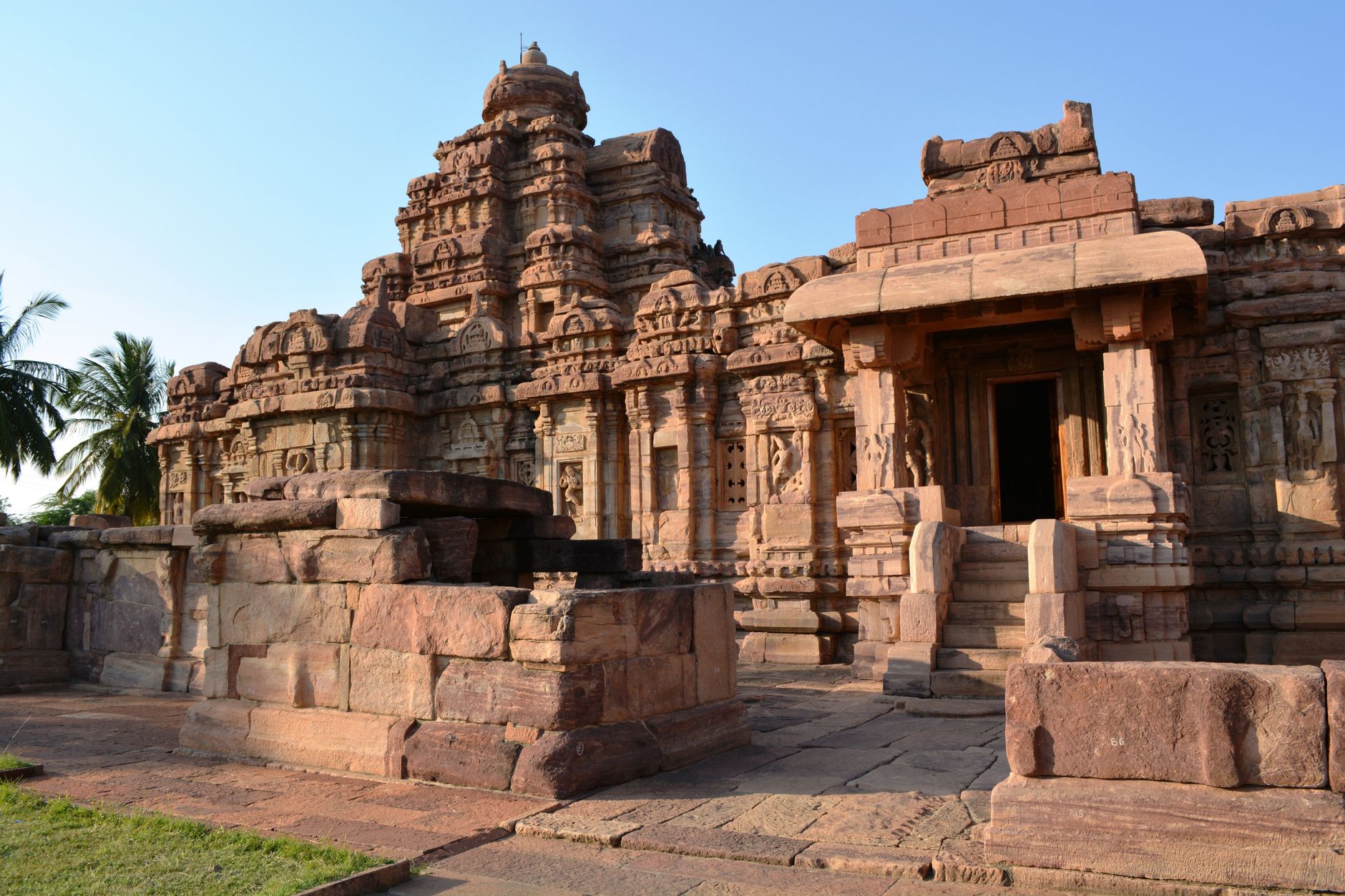
Angkor Wat's Advanced Water System
The ancient Khmer civilization built a sophisticated water management system at Angkor Wat. This system, discovered by French explorer Henri Mouhot in 1860, surpassed modern standards. Historian Michael Vickery notes that the discovery sparked a wave of interest in the ancient Khmer civilization

Photo by Roman Saienko on Pexels
The Khmer Engineering: How Angkor Wat's Water System Surpassed Modern Standards On August 11, 1860, French explorer Henri Mouhot stumbled upon the ancient temple complex of Angkor Wat in Cambodia, uncovering a centuries-old secret: the Khmer civilization's sophisticated water management system. Historian Michael Vickery notes that the discovery sparked a wave of interest in the ancient Khmer civilization. By 1908, the French had begun to excavate and restore the site, revealing the intricate network of canals, dams, and reservoirs that supported the city.
What Everyone Knows
Most people think that ancient civilizations were primitive and lacking in technological advancements, with the standard story going that they relied on simple irrigation systems to support their crops. The general understanding is that these early systems were crude and inefficient, with the ancient Khmers being no exception. However, this perspective overlooks the complexity and sophistication of the Khmer water management system, which was designed to support a large and densely populated city. As historian Bernard-Philippe Groslier notes, the Khmer civilization was capable of constructing elaborate hydraulic systems that allowed them to thrive in the harsh environment of the Cambodian jungle.
What History Actually Shows
Historians like Claude Jacques and Philippe Stern have extensively studied the ancient Khmer civilization, and their research reveals a complex and sophisticated water management system that was built between 1113 and 1150. By 1177, the system was fully operational, supporting a population of over 1 million people. The Khmer engineers designed a system that harnessed the power of monsoon rains to fill massive reservoirs, which then supplied water to the city through a network of canals and dams. According to the inscriptions on the temple walls, the system was so advanced that it allowed the Khmers to cultivate two or even three crops per year, a feat that was unmatched in other parts of the world at the time. Historian Michael Coe notes that the system was also designed to mitigate the risk of flooding, with the construction of elaborate dams and canals that could divert excess water away from the city. By studying the primary documents and archaeological evidence, it becomes clear that the Khmer civilization was far more advanced than previously thought, with a water management system that surpasses many modern standards. As Groslier's book "Angkor: Art and Civilization" reveals, the Khmer engineers were able to achieve this feat through a combination of careful planning, precise engineering, and a deep understanding of the local environment.
The Part That Got Buried
Historians like Georges Coedès and Bernard-Philippe Groslier deliberately focused on the artistic and religious aspects of Angkor Wat, while neglecting its engineering feats. The École française d'Extrême-Orient, a prominent research institution, also contributed to this oversight by prioritizing the study of Khmer art and architecture over its technical achievements. A concrete reason for this omission is that many of the ancient Khmer texts that described the water system were destroyed or lost during the tumultuous periods of Cambodian history, leaving behind a significant gap in our understanding of this ancient civilization's technological capabilities. The French colonial authorities, who ruled Cambodia from the mid-19th century to the mid-20th century, also played a role in suppressing the story of Khmer engineering by promoting a narrative that emphasized the superiority of Western technology.
The Ripple Effect
The discovery of Angkor Wat's advanced water system has had a direct impact on modern urban planning, with cities like Singapore and Bangkok incorporating similar principles into their own water management designs. The ancient Khmer system's ability to handle massive amounts of water and prevent flooding has been studied by engineers working on the Singaporean government's latest flood control project, which aims to protect the city-state from rising sea levels and intense rainfall. One specific modern thing that traces directly back to this event is the design of the Singaporean flood control system, which uses a combination of canals, reservoirs, and gates to regulate water flow.
The Line That Says It All
The ancient Khmer water system at Angkor Wat was abandoned and left to decay, a fate that was sealed when the Khmer Empire collapsed in the 15th century.
A Note on Sources
This article draws on historical records, documented accounts, and academic research related to the history of Angkor Wat and the Khmer Empire.