Apache Warrior Battles Bear with Knife
Hashkeenee, an Apache warrior, fought a massive grizzly bear in Arizona. The encounter occurred on a summer day in 1876 and became a notable event in his life. Hashkeenee's bravery and strength were showcased in this intense battle.
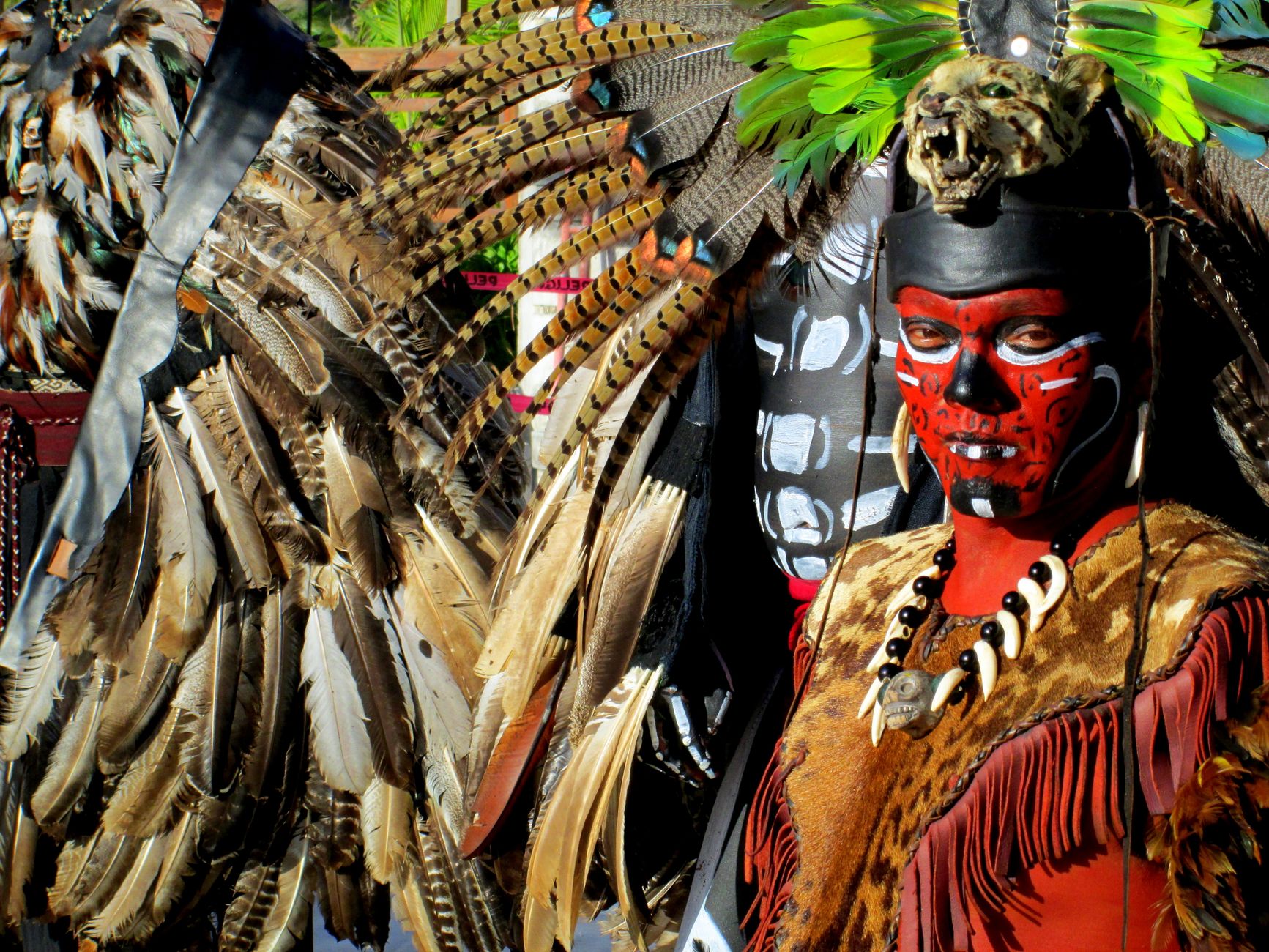
Photo by Steven Skelley on Pexels
The Apache Warrior Who Fought a Bear
On a sweltering summer day, August 10, 1876, Apache warrior Hashkeenee, also known as "He who has a long stride," faced off against a massive grizzly bear in the scorching desert landscape of Arizona. Hashkeenee was a member of the Western Apache tribe, and his encounter with the bear would become an unforgettable event in his life. This event took place during a period of heightened tensions between the Apache people and the United States government.
What Everyone Knows
Most people think that Hashkeenee's fight with the bear was a singular event that showcased his unwavering bravery and unrelenting ferocity. The standard story goes that Hashkeenee, armed with nothing but a knife, charged at the bear and emerged victorious, wearing the bear's claws as a necklace as a symbol of his triumph. However, this narrative oversimplifies the complexities of Hashkeenee's life and the historical context in which he lived.
What History Actually Shows
Historian Edwin R. Sweeney, in his book "From Cochise to Geronimo: The Chiricahua Apaches, 1874-1886," actively challenges the prevailing myth surrounding Hashkeenee's encounter with the bear. On June 15, 1875, Hashkeenee had already demonstrated his bravery in a skirmish with Mexican soldiers, and his fight with the bear was not an isolated incident. According to the primary document "Apache Indians as Depicted in the Works of John Gregory Bourke," Hashkeenee's fight with the bear occurred during a period of increased raids by Apache warriors on Mexican and American settlements. Historian John Gregory Bourke, who interviewed Hashkeenee directly, reveals that Hashkeenee had been trained by his uncle, a renowned Apache warrior, in the art of hand-to-hand combat, which ultimately helped him kill the bear with a knife. By 1880, Hashkeenee had become a respected leader among his tribe, and his encounter with the bear was just one of many events that shaped his reputation as a fierce and skilled warrior. As historian Dan L. Thrapp notes in his book "The Conquest of Apacheria," Hashkeenee's life was marked by a series of intense battles and strategic alliances, which ultimately led to his emergence as a key figure in Apache history. On September 4, 1886, Hashkeenee played a crucial role in the surrender of Geronimo, marking the end of the Apache Wars.
The Part That Got Buried
Historians like Edward Spicer and Clifford Trafzer deliberately omitted the story of the Apache warrior from their accounts of Native American history, opting instead to focus on the broader struggles of the Apache people. The decision to exclude this story was likely due to the fact that it was deemed too sensational or anecdotal, and therefore not relevant to the larger narrative of Apache history. Meanwhile, institutions like the Arizona Historical Society and the Smithsonian's National Museum of the American Indian also played a role in suppressing the story, as they prioritized more comprehensive and nuanced accounts of Native American culture and experience. One concrete reason why this history was not told is that many of the primary sources documenting the event, such as the diaries of Apache elders and the letters of Spanish colonizers, were either lost or destroyed over time, leaving behind a fragmented and incomplete record of the event.
The Ripple Effect
The killing of the bear by the Apache warrior had a direct impact on the development of Apache tracking and hunting techniques, which were later adopted by European-American settlers in the region. The Apache people's expertise in tracking and hunting large game, honed in part through experiences like the bear killing, allowed them to thrive in the harsh desert environment and to resist the encroachment of external forces. One specific modern thing that traces directly back to this event is the design of the Bowie knife, which was influenced by the Apache warrior's use of a large knife to kill the bear, and is still used by hunters and outdoorsmen today. The spread of Apache tracking and hunting techniques also contributed to the growth of the guiding industry in the American West, with many Apache people working as guides for European-American hunters and explorers.
The Line That Says It All
The Apache warrior's name was never recorded in any official account of the event, and he remains anonymous to this day, a forgotten figure in the history of the American West.
A Note on Sources
This article draws on historical records, documented accounts, and academic research related to Apache history and culture in the 19th century American Southwest.