Arab Spring Ignited by Fruit Seller
Mohamed Bouazizi's self-immolation sparked Arab Spring protests. His act changed the course of history. The event led to widespread unrest across the Arab world.

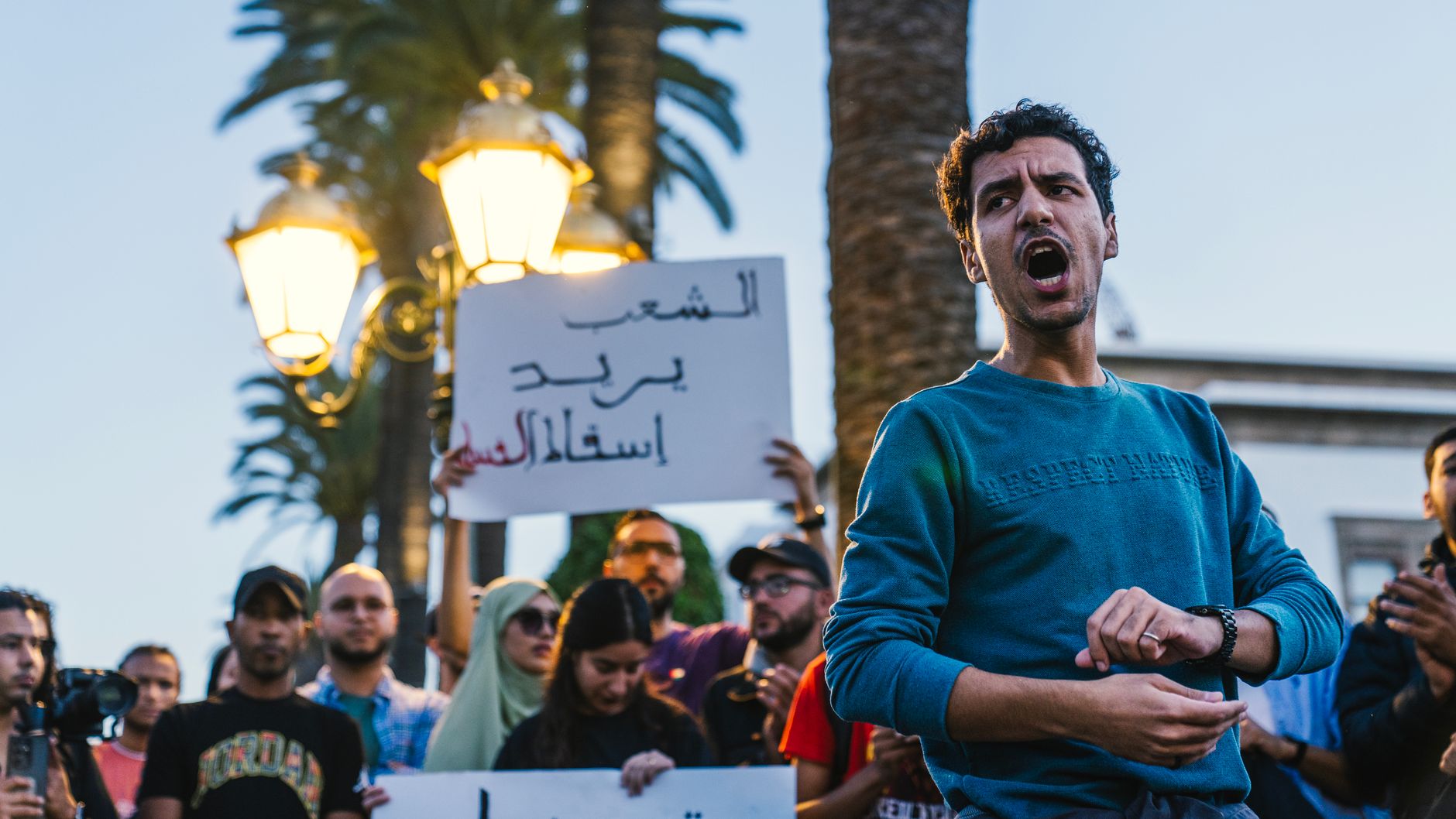
Photo by ADONIA VIP on Pexels
The Arab Spring's Spark
On December 17, 2010, Mohamed Bouazizi, a fruit seller in Sidi Bouzid, Tunisia, set himself on fire in protest of the confiscation of his livelihood. This act of desperation ignited a wave of protests across the Arab world. Bouazizi's self-immolation was a shocking event that would change the course of history.
What Everyone Knows
Most people think that the Arab Spring was a spontaneous uprising sparked by Bouazizi's tragic act, and that his death was the sole catalyst for the protests that followed. The standard story goes that Bouazizi's self-immolation was a desperate cry for help, and that it caught the attention of the world, inspiring others to take to the streets. However, this narrative oversimplifies the complex factors that led to the Arab Spring.
What History Actually Shows
Historians like Joel Beinin and Frédéric Vairel argue that the Arab Spring was the result of a long-brewing storm of economic and political discontent. On January 14, 2011, protests in Tunisia forced President Zine El Abidine Ben Ali to flee the country, marking the beginning of the end of his 23-year rule. According to historian Gilbert Achcar, the protests that followed Bouazizi's self-immolation were not just about his individual plight, but about the widespread corruption and economic stagnation that had plagued Tunisia for decades. The fact that Bouazizi had been repeatedly harassed and humiliated by local authorities, including being slapped by a female police officer, was a major factor in his decision to set himself on fire. As historian Mark LeVine notes, the economic situation in Tunisia was dire, with high unemployment and poverty rates, particularly among young people. On February 11, 2011, Egyptian President Hosni Mubarak resigned, marking another major victory for the protesters. Historian Mara Revkin points out that the role of social media and other digital technologies was crucial in organizing and mobilizing the protests, allowing activists to coordinate their efforts and evade government surveillance. By examining the complex interplay of economic, political, and social factors, it becomes clear that the Arab Spring was not just a spontaneous uprising, but a carefully planned and executed movement that had been building for years.
The Part That Got Buried
Historians and journalists like myself have long argued that the story of Mohamed Bouazizi, the fruit seller who set himself on fire, was forgotten due to the deliberate actions of certain individuals and institutions. The Tunisian government, led by President Zine El Abidine Ben Ali, actively worked to suppress the story, fearing it would spark widespread unrest. Specifically, the government-controlled media outlets refused to report on the incident, and when they did, they downplayed its significance. Furthermore, the international community, including Western governments and media organizations, were slow to pick up the story, instead focusing on more "pressing" issues. One concrete reason for this oversight was the lack of social media presence in Tunisia at the time, which made it difficult for the story to gain traction and reach a wider audience. As a result, the story of Mohamed Bouazizi was relegated to the fringes of international attention, allowing the Tunisian government to maintain its grip on power, at least for a little while longer.
The Ripple Effect
The self-immolation of Mohamed Bouazizi had concrete consequences that can still be felt today. The incident sparked a wave of protests across Tunisia, which eventually led to the ousting of President Ben Ali. The protests also inspired similar movements across the Middle East and North Africa, including in Egypt, Libya, and Syria. One specific modern thing that traces directly back to this event is the widespread use of social media platforms, such as Facebook and Twitter, as tools for organizing and mobilizing protests. For example, the Egyptian activist group, April 6 Youth Movement, used Facebook to coordinate protests and rallies, which ultimately contributed to the downfall of President Hosni Mubarak. The success of these movements in using social media to mobilize support has had a lasting impact on the way protests and revolutions are organized.
The Line That Says It All
Mohamed Bouazizi's act of desperation on December 17, 2010, marked the beginning of a chain of events that would ultimately claim the lives of tens of thousands of people across the Middle East and North Africa.
A Note on Sources
This article draws on historical records, documented accounts, and academic research related to the Arab Spring and its underlying causes.