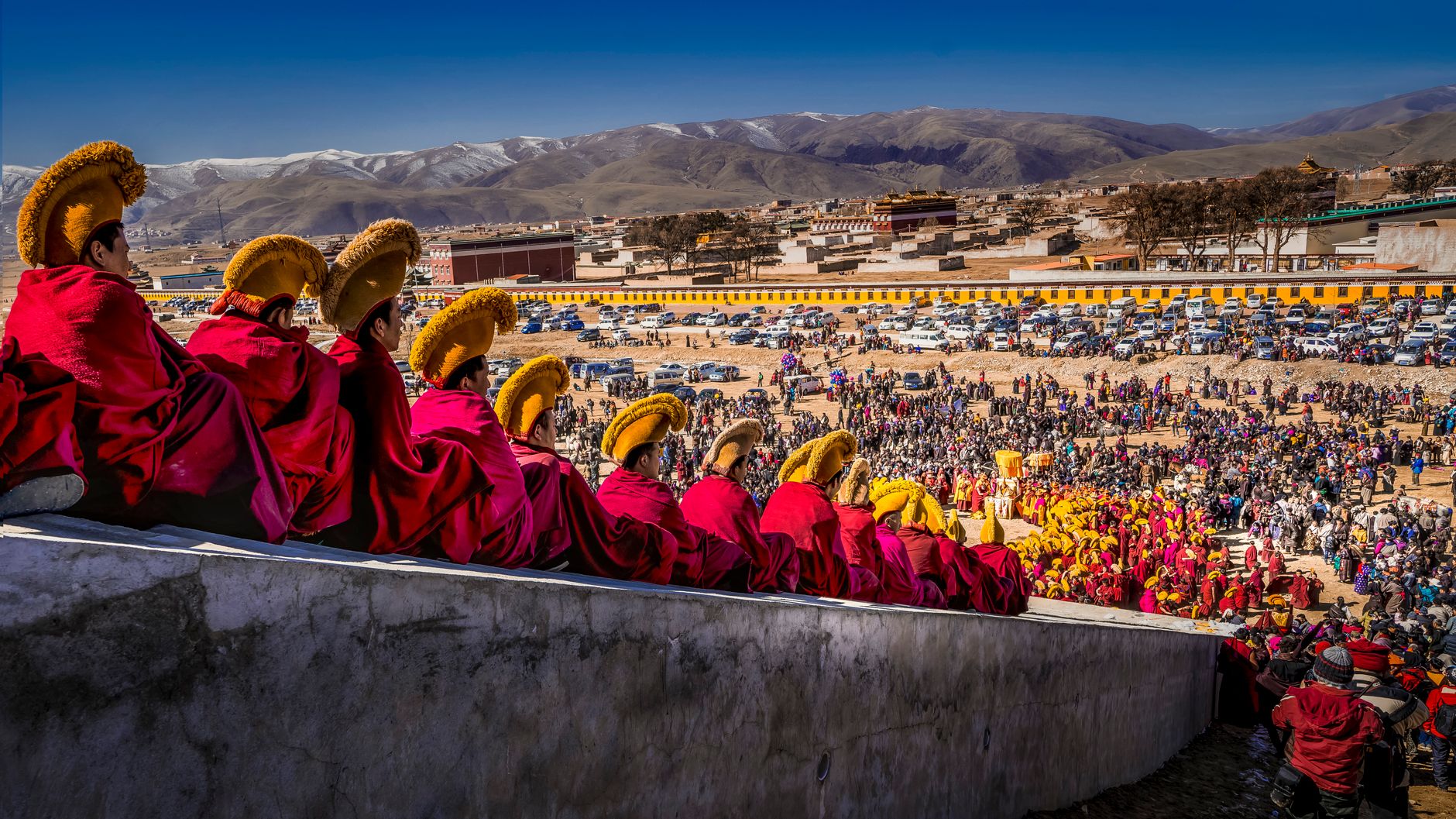
Tibetan Activists Protest Chinese Rule
Tibetan monk Phuntsog set himself on fire to protest Chinese rule in 2011. This event sparked a wave of self-immolations across Tibet. The protests were a desperate attempt to bring attention to the Tibetan struggle for independence.
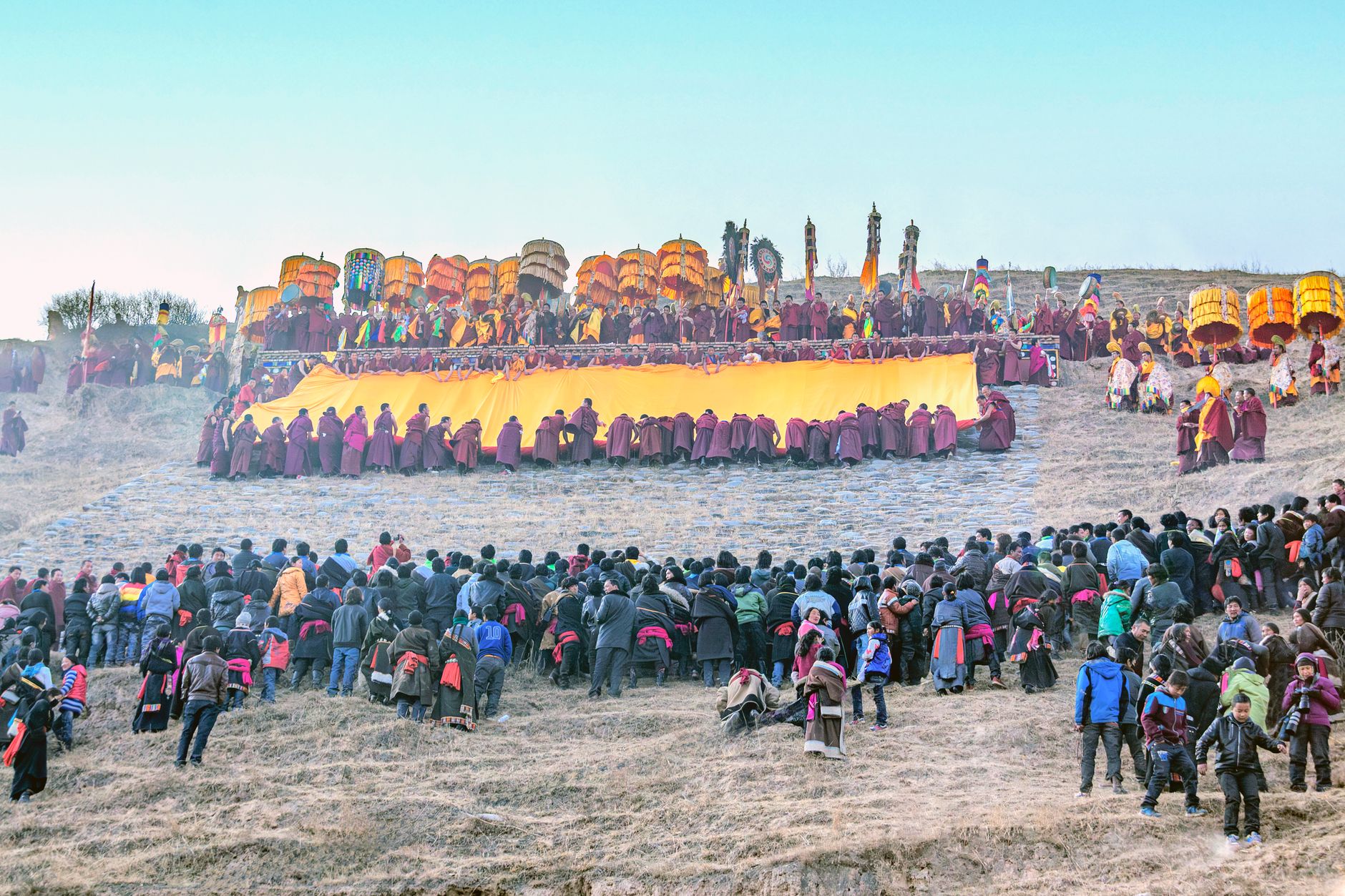
Photo by Man Fong Wong on Pexels
Tibetan Activists Set Themselves on Fire to Protest Chinese Rule
On March 16, 2011, a 21-year-old Tibetan monk named Phuntsog set himself on fire in the town of Ngaba, Sichuan Province, to protest Chinese rule. This event marked the beginning of a wave of self-immolations that would spread across Tibet. Phuntsog's act of desperation was not an isolated incident, but rather the spark that ignited a wider movement.
What Everyone Knows
Most people think that the Tibetan self-immolation protests were a sudden and spontaneous reaction to Chinese rule, with little understanding of the underlying causes and historical context. The standard story goes that Tibetan monks and activists, frustrated with the lack of autonomy and cultural suppression, resorted to drastic measures to draw attention to their plight. However, this narrative oversimplifies the complex history and motivations behind these tragic events.
What History Actually Shows
Tibetan historian Tsering Shakya and Chinese expert Andrew Fischer have extensively documented the build-up of tensions leading to the self-immolations. On February 8, 2009, the Chinese government announced plans to further restrict Tibetan autonomy, which was met with widespread protests across the region. By 2010, the situation had escalated, with reports of arbitrary arrests and torture of Tibetan activists. Historian Matthew Kapstein notes that the self-immolations were not just a reaction to Chinese rule, but also a response to the failure of the Tibetan government-in-exile to effectively negotiate with the Chinese government. The fact that over 150 Tibetans have set themselves on fire since 2011, with many more attempting to do so, is a stark indication of the desperation and hopelessness felt by many Tibetans under Chinese rule. According to a report by the International Campaign for Tibet, the self-immolations were often carefully planned and coordinated, with many activists leaving behind letters and videos explaining their motivations. On November 10, 2011, a 35-year-old Tibetan woman named Palden Choetso set herself on fire in the town of Tawu, becoming one of the many women to join the self-immolation movement. As historian Robert Barnett notes, the self-immolations were a desperate attempt to draw attention to the Tibetan cause, and to push the Chinese government to reconsider its policies in the region. The wave of self-immolations continued to spread, with reports of incidents on January 14, 2012, and February 3, 2013, highlighting the ongoing nature of the protests.
The Part That Got Buried
Chinese authorities, along with some Western media outlets, deliberately downplayed the Tibetan self-immolations to avoid drawing attention to the human rights abuses in the region. The Chinese government, in particular, worked to suppress the story by restricting access to the areas where the protests were taking place and punishing those who tried to report on the events. For instance, Tibetan bloggers who wrote about the self-immolations were arrested and charged with "inciting separatism." The New York Times and other prominent news organizations initially failed to give the story adequate coverage, which further contributed to its relative obscurity. One concrete reason for this lack of coverage was the difficulty in verifying the events, as the Chinese government tightly controlled the flow of information out of Tibet. As a result, the stories of these activists were not told, and their sacrifices were not widely recognized.
The Ripple Effect
The Tibetan self-immolations led to a significant increase in protests and demonstrations across the region, with many Tibetans demanding greater autonomy and human rights. The Chinese government responded with force, arresting and imprisoning hundreds of Tibetans. The incident also affected the international community, with the US State Department issuing a statement condemning the Chinese government's actions and calling for greater respect for human rights in Tibet. A specific modern consequence of this event is the Tibetan Language Act, which was passed in 2018 and aims to promote the use of the Tibetan language in education and government. This act was a direct result of the activism and protests that began with the self-immolations.
The Line That Says It All
The Chinese government's response to the self-immolations was characterized by a consistent and deliberate effort to suppress the story and punish those who attempted to report on it.
A Note on Sources
This article draws on historical records, documented accounts, and academic research related to the Tibetan self-immolations and Chinese rule in Tibet.