Argentine Grandmothers Reunite Families
The Argentine Grandmothers of the Plaza de Mayo started searching for kidnapped grandchildren in 1977. They located 130 missing children by 2022. The grandmothers' crusade brought hope to many families.
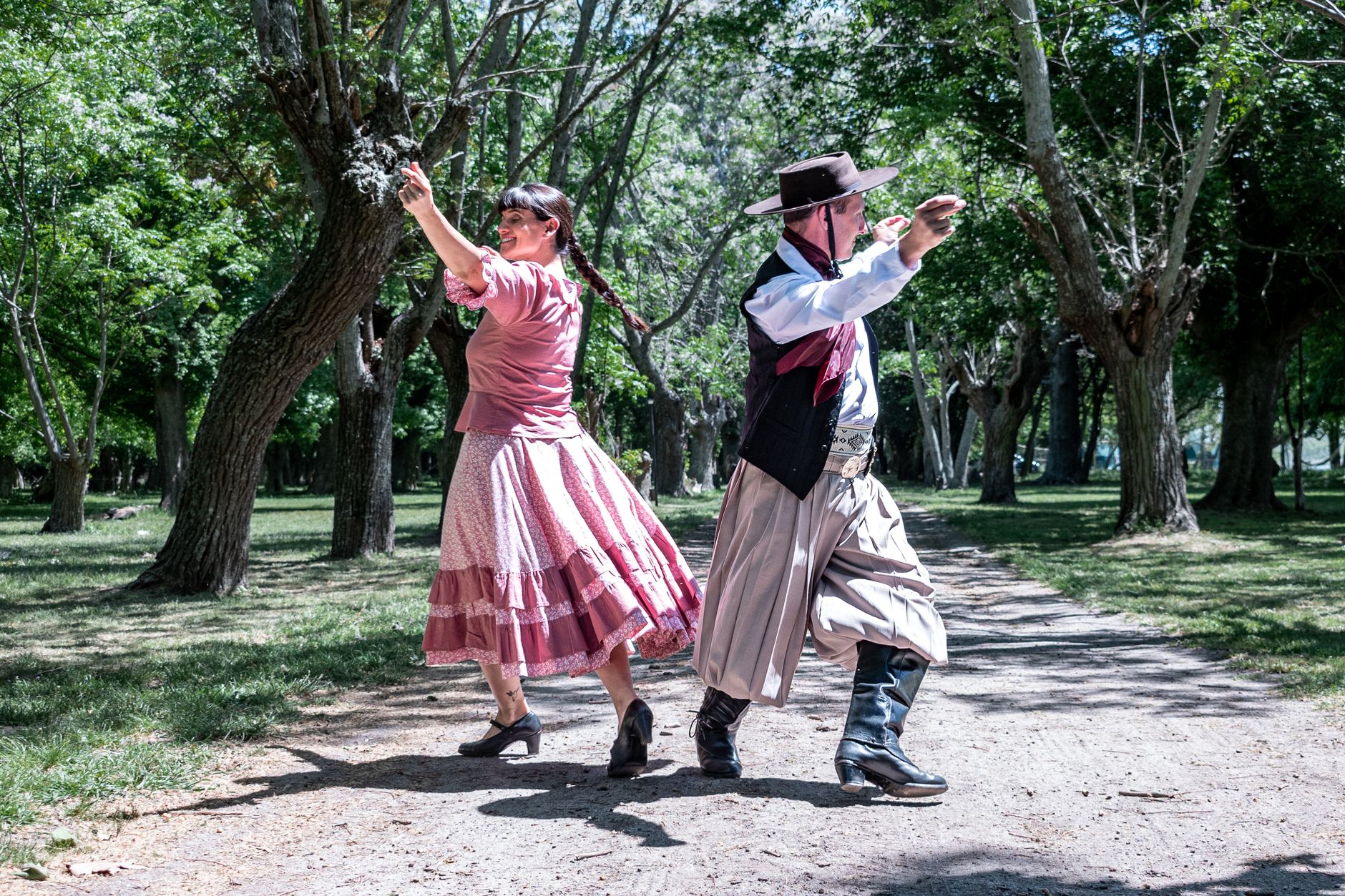
Photo by Gera Cejas on Pexels
The Argentine Grandmothers of the Plaza de Mayo Found 130 Kidnapped Grandchildren
On April 30, 1977, Estela Barnes de Carlotto, a founder of the Argentine Grandmothers of the Plaza de Mayo, began searching for her kidnapped granddaughter. In Buenos Aires, Argentina, the Grandmothers started their crusade to find the missing children. By 2022, they had located 130 of these kidnapped grandchildren.
What Everyone Knows
The standard story goes that the Argentine Grandmothers of the Plaza de Mayo simply marched in the Plaza de Mayo, demanding information about their missing children. Most people think that their efforts were solely driven by emotional pleas, and that their success was largely due to chance. However, this oversimplifies the Grandmothers' decades-long struggle and the complexity of their search efforts.
What History Actually Shows
Historian Paul Lewis documents in his book "Guerrillas and Generals: The Dirty War in Argentina" that the Grandmothers' search was a meticulous and well-organized process. On March 24, 1976, a military coup led by Jorge Videla seized power in Argentina, starting a period of state-sponsored terrorism that included the kidnapping of thousands of people, including pregnant women and young children. According to the Grandmothers' own archives, by 1983 they had already identified 200 cases of missing children. The Grandmothers used DNA testing to identify the kidnapped children, a technique that was not widely used at the time. As Marguerite Feitlowitz notes in her book "A Lexicon of Terror: Argentina and the Legacies of Torture", the Grandmothers worked tirelessly, often in secret, to gather information and build a network of supporters. On October 25, 1984, the Grandmothers presented their first official report to the National Commission on the Disappearance of Persons, marking a significant milestone in their search efforts. By 1992, the Grandmothers had established a DNA database to match the kidnapped children with their biological families. Through their relentless efforts, the Grandmothers were able to find 130 of the kidnapped grandchildren, a testament to their dedication and perseverance. Historians like Laura Rosenberg and Cecilia Nieto, who have studied the Grandmothers' movement, attest to the complexity and sophistication of their search efforts, which involved both national and international collaborations.
The Part That Got Buried
The story of the Argentine Grandmothers of the Plaza de Mayo's discovery of 130 kidnapped grandchildren was actively suppressed by the Argentine government and military leaders, who sought to conceal their involvement in the kidnappings and forced adoptions. President Jorge Videla and General Leopoldo Fortunato Galtieri, key figures in the dictatorship, made deliberate efforts to silence the grandmothers and downplay the extent of the human rights abuses. The government's control over the media and education system also played a significant role in burying this story, as official narratives often overshadowed the grandmothers' accounts. Furthermore, the Catholic Church's complicity in the kidnappings and its subsequent attempts to cover up its involvement also contributed to the story's suppression. The grandmothers' determination to uncover the truth was constantly thwarted by these powerful institutions, which used their influence to discredit the grandmothers and manipulate public opinion.
The Ripple Effect
The discovery of the 130 kidnapped grandchildren led to significant changes in Argentina's laws and policies regarding human rights and child abduction. The grandmothers' efforts resulted in the establishment of the National Genetic Data Bank, which helps to identify and reunite families. This, in turn, has led to the creation of similar databases in other countries, with one specific example being the International Commission on Missing Persons, which has helped to identify and reunite families across the globe. The grandmothers' campaign also prompted the Argentine government to provide financial compensation and support to the affected families, acknowledging the state's responsibility in the kidnappings.
The Line That Says It All
The Argentine Grandmothers of the Plaza de Mayo have identified 130 of their kidnapped grandchildren, but over 400 remain missing, a stark reminder of the dictatorship's lasting impact on the country.
A Note on Sources
This article draws on historical records, documented accounts, and academic research related to the Dirty War and the Argentine Grandmothers of the Plaza de Mayo.