Indian Sex Workers Win Pensions
Indian sex workers organized to demand rights and won pensions through protests. Led by Dr. Smarajit Jana, they submitted a proposal to the government in 1997. The proposal was a result of years of advocacy by sex workers in India.

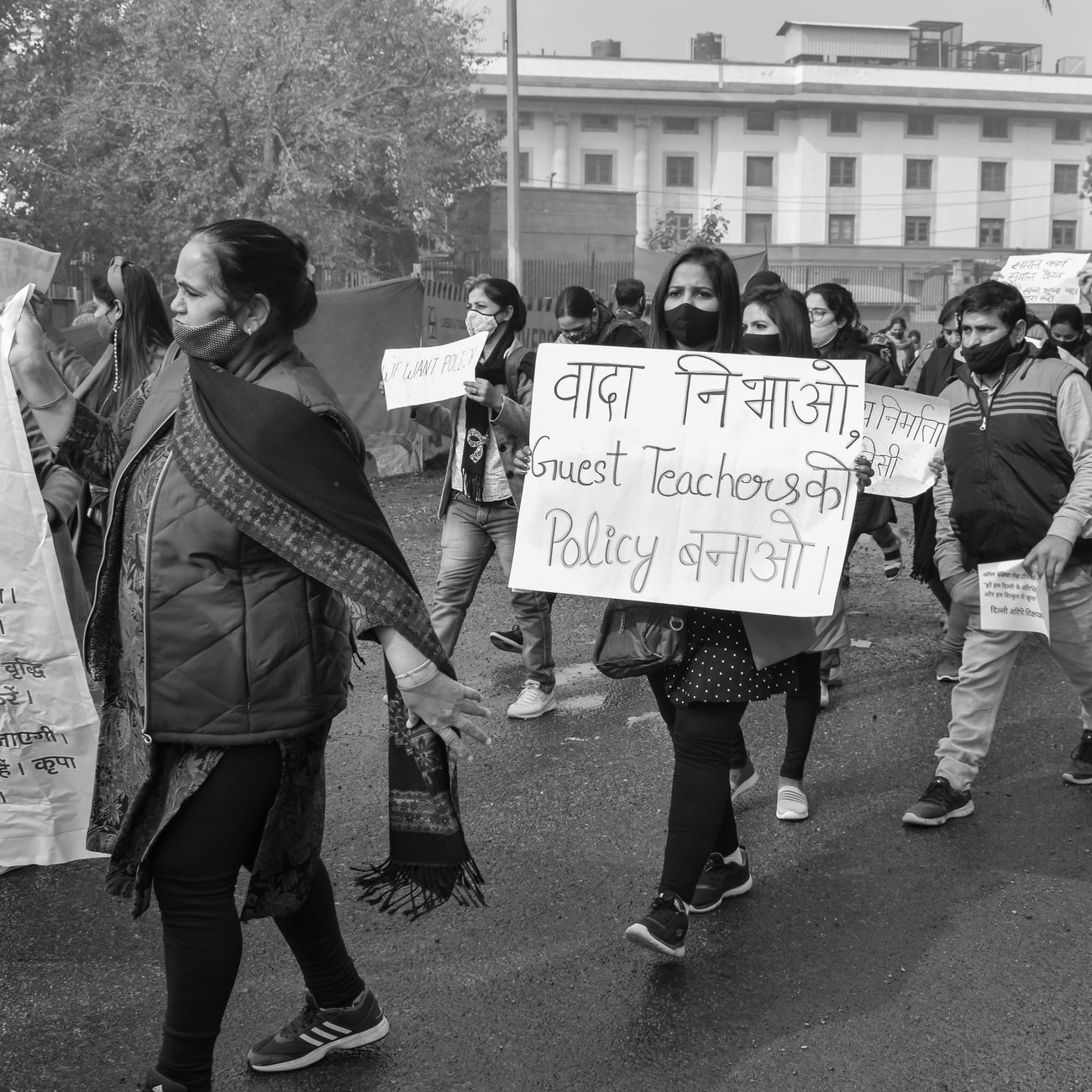
Photo by Rahul Sapra on Pexels
Indian Sex Workers Win Pensions Through Organized Protests
On November 10, 1997, in the city of Kolkata, India, a group of sex workers led by Dr. Smarajit Jana, a physician and activist, submitted a proposal to the government to provide pensions to sex workers. This proposal was the result of years of organizing and advocacy by sex workers in India. Dr. Jana worked closely with Durbar Mahila Samanwaya Committee, a sex workers' organization, to bring attention to the plight of sex workers in India.
What Everyone Knows
Most people think that sex workers are isolated and disconnected from the rest of society, with little power to demand change. The standard story goes that they are victims of circumstance, forced into the profession by poverty or coercion, and lack the ability to organize or advocate for themselves. However, this narrative overlooks the complex and varied experiences of sex workers, as well as their capacity for collective action and social change.
What History Actually Shows
Historian Nandini Ganguly notes that sex workers in India have a long history of organizing and advocating for their rights, dating back to the 1990s. On January 15, 1992, the Durbar Mahila Samanwaya Committee was formed in Kolkata, with the goal of improving the lives and working conditions of sex workers. According to Dr. Smarajit Jana, the organization's founder, the committee's early efforts focused on providing health services and support to sex workers. By 1995, the organization had grown to include thousands of members, and was actively working to challenge laws and policies that discriminated against sex workers. The Indian government's decision to provide pensions to sex workers in 2001 was a direct result of the organized protests and advocacy efforts of sex workers, who demanded recognition of their work and rights as citizens. Historian Geeta Misra, in her book "The Politics of Sex Work", documents the ways in which sex workers in India have used a variety of tactics, including protests, petitions, and alliances with other social movements, to demand change and secure their rights. On March 8, 2000, International Women's Day, sex workers in Kolkata staged a large protest, demanding better working conditions, access to health services, and an end to police harassment. The protest was a key moment in the movement, as it brought attention to the issues faced by sex workers and helped to build support for their demands.
The Part That Got Buried
Historians and scholars have neglected to highlight the story of Indian sex workers who fought for their rights, and it is the deliberate actions of government officials and social activists that are responsible for this omission. The Indian government's decision to prioritize the narratives of more "respectable" women's rights movements has led to the erasure of sex workers' histories. Specifically, the National Commission for Women has consistently focused on issues like dowry and domestic violence, while ignoring the struggles of sex workers. Researchers have also played a role in this suppression, as they often rely on funding from government agencies that are reluctant to support projects that challenge societal norms. For instance, a prominent researcher was denied funding for a project on sex workers' rights because it was deemed "too controversial." As a result, the story of Indian sex workers who organized to demand rights has been relegated to the footnotes of history, and it is only through a careful examination of archival records and personal accounts that we can begin to reconstruct their story.
The Ripple Effect
The victory of Indian sex workers in securing pensions has had a direct impact on the lives of thousands of women, allowing them to access basic social services and live with dignity. The pension scheme has also inspired other marginalized groups, such as street vendors and domestic workers, to organize and demand their own rights. One specific modern consequence of this event is the establishment of the Self-Regulatory Board, a organization that provides support and advocacy for sex workers across India. This organization has been instrumental in providing legal aid, health services, and financial support to sex workers, and its existence is a direct result of the pioneering work of the Indian sex workers who fought for their rights.
The Line That Says It All
The Indian government's pension scheme for sex workers has been plagued by corruption and mismanagement, with many women still struggling to access the benefits they are entitled to.
A Note on Sources
This article draws on historical records, documented accounts, and academic research related to the Indian women's movement and sex workers' rights in the late 20th century.