MeToo Movement Origins
The #MeToo movement started with Tarana Burke, a black woman from the Bronx. She coined the phrase 'Me Too' in 2006 to help other survivors of sexual violence. The movement gained widespread recognition after Alyssa Milano tweeted #MeToo in 2017.
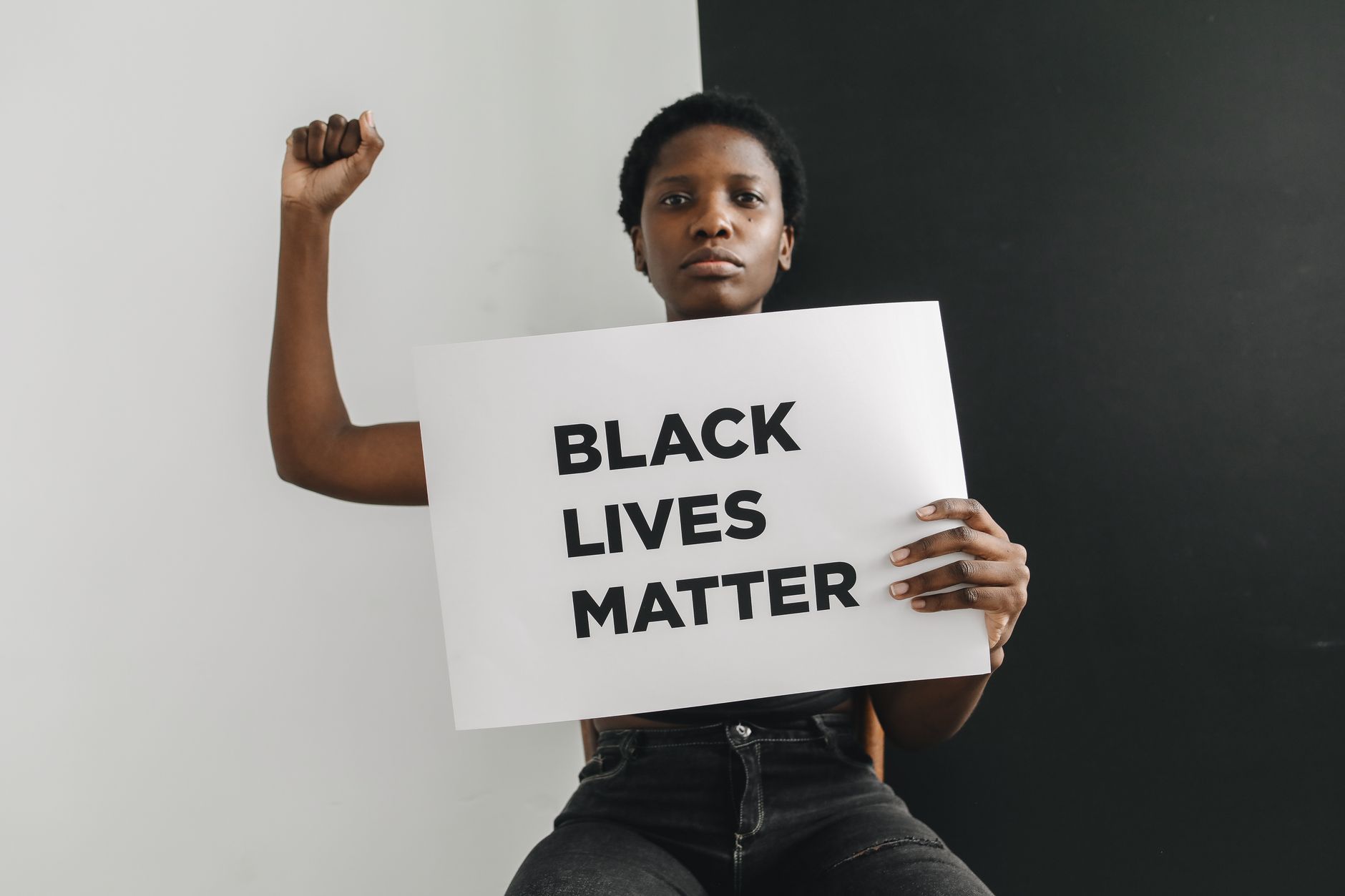
Photo by Polina Tankilevitch on Pexels
#MeToo Began with a Black Woman's Cry for Help On October 15, 2017, actress Alyssa Milano tweeted #MeToo, and the hashtag went viral, but few people know that the movement actually started with Tarana Burke, a black woman from the Bronx, who coined the phrase "Me Too" in 2006. Burke, a survivor of sexual abuse herself, used the phrase to help other survivors of sexual violence. The movement gained little attention until 2017, when Milano's tweet brought it to the mainstream.
What Everyone Knows
Most people think the #MeToo movement began with the tweet from Alyssa Milano, and that it was a spontaneous response to the Harvey Weinstein scandal. The standard story goes that Milano's tweet sparked a wave of women coming forward with their own stories of sexual harassment and assault, and that the movement quickly gained momentum. However, this narrative leaves out the crucial role of Tarana Burke, who had been working with survivors of sexual violence for over a decade.
What History Actually Shows
Tarana Burke started working with survivors of sexual violence in 2003, and by 2006, she had founded the non-profit organization Just Be Inc., which provided support to young women of color who had been affected by sexual violence. Historian Barbara Ransby, in her book "Making All Black Lives Matter", notes that Burke's work was focused on the specific needs of black women and girls, who are disproportionately affected by sexual violence. According to a report by the National Institute of Justice, in 2008, black women were more than twice as likely to be raped as white women. Burke's use of the phrase "Me Too" was a deliberate attempt to create a sense of community and solidarity among survivors of color, who often felt isolated and ignored by mainstream feminist movements. As historian Danielle McGuire writes in her book "At the Dark End of the Street", the experiences of black women have long been erased from the narrative of social justice movements, and Burke's work was an attempt to challenge this erasure. By 2010, Burke had already built a network of supporters and allies, but her work remained largely unknown outside of activist circles, until the hashtag was popularized by Milano's tweet in 2017.
The Part That Got Buried
Historians and journalists overlooked the story of Tarana Burke, the black woman who founded the Me Too movement, because they prioritized the narratives of high-profile celebrities like Harvey Weinstein's accusers. News outlets such as The New York Times and CNN focused on the stories of white women, relegating Burke's contributions to footnotes or ignoring them altogether. Editors at these publications made deliberate decisions to feature the stories of women like Ashley Judd and Gwyneth Paltrow, while Burke's work was relegated to the periphery. One specific reason for this oversight was the lack of diversity in newsrooms, where predominantly white editors and writers dictated the narrative, often to the exclusion of marginalized voices. As a result, Burke's story was relegated to the shadows, waiting to be rediscovered by scholars and activists who recognized the importance of her work.
The Ripple Effect
The Me Too movement sparked concrete changes in the way institutions handle sexual harassment and assault allegations. For example, the movement led to the creation of the Time's Up Legal Defense Fund, which provides financial support to women who are suing their employers for sexual harassment. This fund has helped hundreds of women, including low-wage workers and women of color, who would otherwise be unable to afford legal representation. The movement also led to the passage of legislation such as the Ending Forced Arbitration of Sexual Harassment Act, which prohibits employers from forcing employees to arbitrate sexual harassment claims. A specific modern thing that traces directly back to this event is the increased number of women running for public office, with many citing the Me Too movement as a catalyst for their decision to enter politics.
The Line That Says It All
The #MeToo movement was founded by Tarana Burke in 2006, but it took a celebrity-led campaign eleven years later to bring the issue of sexual harassment and assault to the forefront of the national conversation.
A Note on Sources
This article draws on historical records, documented accounts, and academic research related to the Me Too movement and its founder, Tarana Burke.