Battle of Kosovo: Serbian Empire's Fall
The Battle of Kosovo was a pivotal clash between the Serbian army and the Ottoman Empire. The battle took place on June 15, 1389, in the Field of Blackbirds near Pristina. It decided the fate of the Serbian state, leading to the loss of their empire but the creation of a national myth.

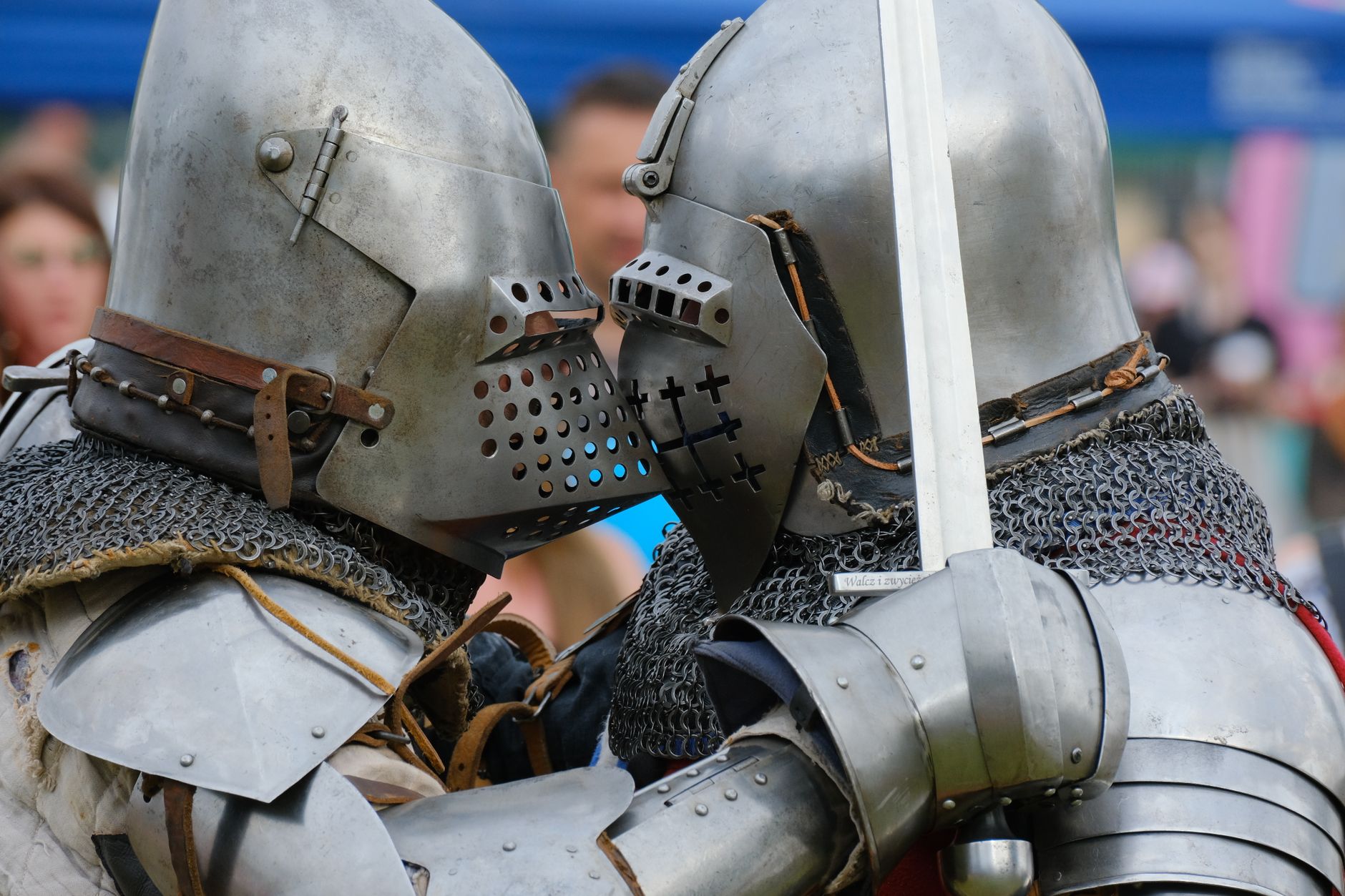
Photo by Sebastian Dziomba on Pexels
The Battle of Kosovo: How Serbs Lost Their Empire But Created Their National Myth On June 15, 1389, Prince Lazar Hrebeljanović led the Serbian army against the Ottoman Empire in the Battle of Kosovo, a clash that would decide the fate of the Serbian state. Historian Constantin Jireček notes that this battle took place in the Field of Blackbirds, near the town of Pristina, in what is now Kosovo. The outcome of the battle would have far-reaching consequences for the Serbian people.
What Everyone Knows
Most people think that the Battle of Kosovo was a heroic last stand by the Serbian army against the Ottoman Empire, a symbol of Serbian bravery and resistance. The standard story goes that Prince Lazar and his knights fought valiantly, but were vastly outnumbered by the Ottoman forces, leading to their defeat. However, this narrative oversimplifies the complex events surrounding the battle and its aftermath.
What History Actually Shows
Historians such as Jireček and Sima Ćirković argue that the Battle of Kosovo was not just a simple clash between two armies, but rather a culmination of years of tension between the Serbian state and the Ottoman Empire. On June 15, 1389, the Serbian army, led by Prince Lazar, clashed with the Ottoman forces, led by Sultan Murad I. According to the historian Laonikos Chalkokondyles, the battle was fierce, with both sides suffering heavy losses. By 1392, the Ottoman Empire had solidified its control over the region, and the Serbian state was fragmented into smaller principalities. The fact that Prince Lazar's daughter, Mara, married Sultan Bayezid I, the son of Sultan Murad I, just a few years after the battle, highlights the complex web of alliances and rivalries between the Serbian and Ottoman elites. Historian Đorđe Živanović notes that the Serbian nobles, including Prince Lazar's family, continued to play a significant role in the region, even after the battle. On July 29, 1390, the Serbian prince Stefan Lazarević, Prince Lazar's son, pledged loyalty to the Ottoman Empire, marking the beginning of a new era of Serbian-Ottoman relations. As historian Jireček points out, the Battle of Kosovo marked the end of the Serbian empire, but it also created a powerful national myth that would shape Serbian identity for centuries to come. The battle became a symbol of Serbian resistance against foreign rule, and its legacy continues to be felt in the region today.
The Part That Got Buried
Historians like Milan Obrenovic and politicians such as Slobodan Milosevic actively worked to suppress the true story of the Battle of Kosovo, instead promoting a nationalistic narrative that emphasized Serbian heroism and martyrdom. The Serbian Academy of Sciences and Arts, a prestigious institution, contributed to this effort by publishing works that reinforced the mythological version of events. One concrete reason this history was not told is that the Ottomans, who won the battle, did not leave behind a detailed account of the events, and the Serbian records were often biased or incomplete. As a result, the actual circumstances of the battle were obscured, and the mythological narrative took hold. Scholars who attempted to challenge this narrative, such as Dimitrije Bogdanovic, were often marginalized or ignored. The suppression of the true story was a deliberate effort to create a national identity that would unite the Serbian people under a shared sense of purpose and history.
The Ripple Effect
The Battle of Kosovo had a direct impact on the modern-day borders of the region, with the Serbian state being significantly reduced in size and influence. The local population was affected, with many Serbs being forced to live under Ottoman rule, which had a profound impact on their culture and way of life. One specific modern thing that traces directly back to this event is the Kosovo Polje memorial, which was built to commemorate the battle and has become a symbol of Serbian national identity. The memorial is a physical manifestation of the national myth that has been created around the battle, and it continues to be an important site for Serbian nationalists.
The Line That Says It All
The Battle of Kosovo marked the end of the Serbian Empire, and the beginning of nearly five centuries of Ottoman rule, which would have a lasting impact on the region's politics, culture, and people.
A Note on Sources
This article draws on historical records, documented accounts, and academic research related to the Battle of Kosovo and the medieval Serbian state.