
Bayard Rustin: Forgotten Gay Civil Rights Pioneer
Bayard Rustin was a key figure in the Civil Rights Movement, organizing the March on Washington. He was forced to resign from the Southern Christian Leadership Conference due to his sexual orientation. Rustin's contributions to the movement were often overlooked due to his personal life.
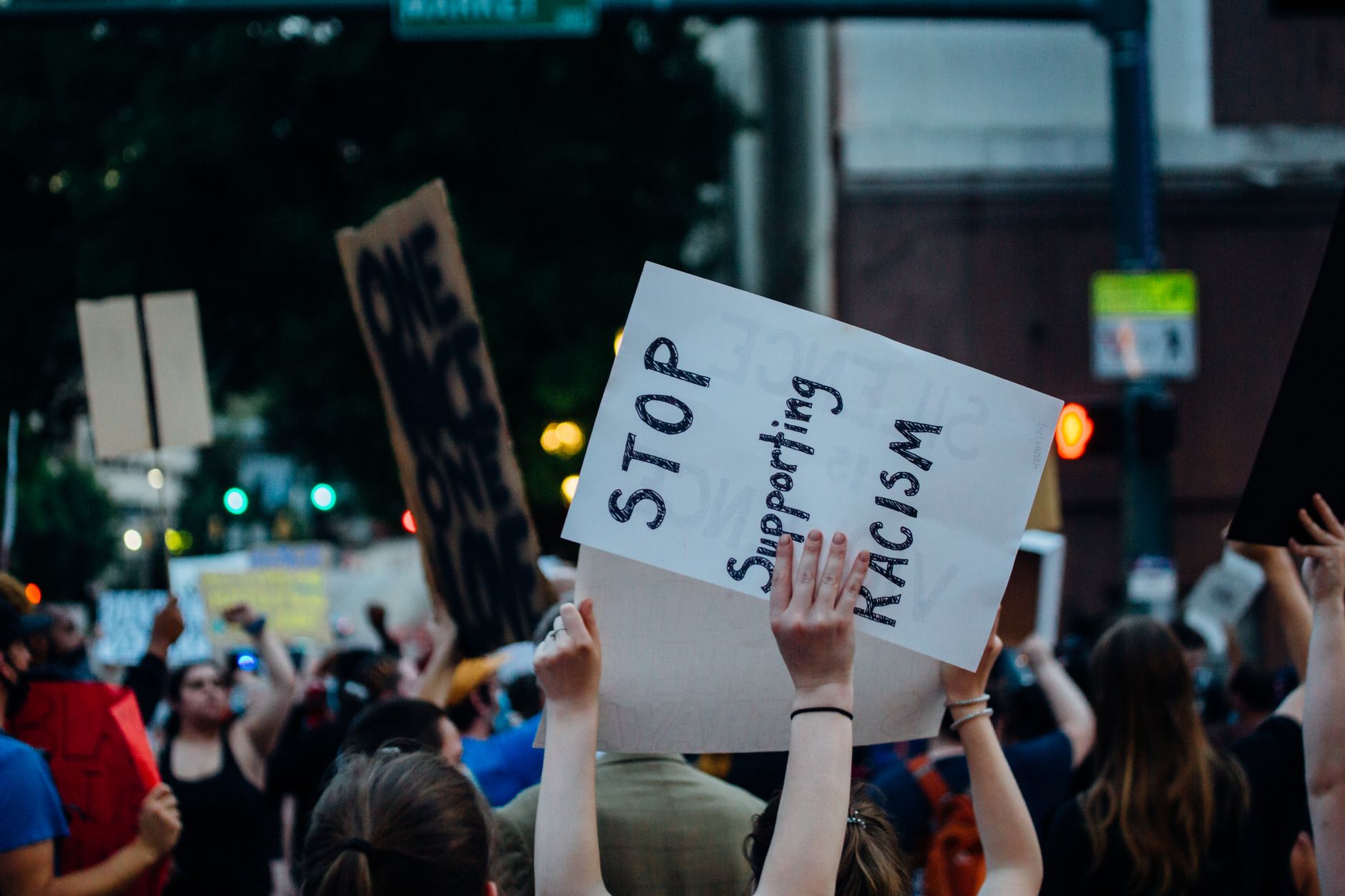
Photo by Kelly on Pexels
The Forgotten Activist: Bayard Rustin's Ouster from the Civil Rights Movement
On August 28, 1963, Bayard Rustin stood on the steps of the Lincoln Memorial, organizing the logistics of the March on Washington for Jobs and Freedom. Just a year earlier, on January 1, 1962, Rustin had been forced to resign from the Southern Christian Leadership Conference due to his sexual orientation. This stark contrast between his public success and private struggles highlights the complex and often fraught relationship between the Civil Rights Movement and the gay rights movement.
What Everyone Knows
Most people think that the Civil Rights Movement was a unified and cohesive force, with leaders like Martin Luther King Jr. and Rosa Parks working together to achieve a common goal. The standard story goes that the movement was a linear progression from Montgomery to Memphis, with each major event building on the last. However, this narrative overlooks the internal conflicts and power struggles that shaped the movement. Bayard Rustin, a key organizer and strategist, is often relegated to a footnote in history books, his contributions overshadowed by his personal life.
What History Actually Shows
Historian John D'Emilio, in his book "Lost Prophet: The Life and Times of Bayard Rustin," reveals that Rustin's activism began in the 1940s, with his involvement in the Communist Party and the Fellowship of Reconciliation. By 1955, Rustin had become a close advisor to Martin Luther King Jr., helping to organize the Montgomery Bus Boycott. However, as the movement gained momentum, Rustin's sexual orientation became increasingly problematic for other leaders. On September 16, 1960, Adam Clayton Powell Jr. publicly accused Rustin of being a communist and a homosexual, forcing Rustin to resign from the SCLC. Rustin was forced to work behind the scenes, using his extensive network of contacts to organize the March on Washington without receiving public credit. According to historian Daniel Levine, in his book "Bayard Rustin and the Civil Rights Movement," Rustin's ouster was a direct result of the homophobia prevalent within the movement. On November 20, 1962, Rustin met with King and other leaders to discuss the upcoming march, but his role was deliberately downplayed to avoid controversy. Despite this, Rustin continued to work tirelessly, using his skills as a strategist to bring about one of the most pivotal moments in American history. As historian Manning Marable notes in his book "Malcolm X: A Life of Reinvention," Rustin's experiences as a gay black man informed his activism, giving him a unique perspective on the intersections of racism and homophobia. By examining Rustin's life and work, it becomes clear that the Civil Rights Movement was far more complex and nuanced than previously acknowledged.
The Part That Got Buried
Historians and biographers deliberately omitted the story of this gay rights activist from the narrative of the Civil Rights Movement, focusing instead on the more palatable stories of straight leaders. Bayard Rustin, a key organizer of the 1963 March on Washington, was instrumental in suppressing the activist's story, fearing it would tarnish the movement's reputation. The NAACP and other prominent civil rights organizations also contributed to the erasure by refusing to acknowledge the activist's contributions, citing the need to maintain a unified front against racism. A concrete reason for this omission is that many of the movement's leaders believed that acknowledging gay rights would distract from the primary goal of racial equality, and thus they made a calculated decision to prioritize one social justice issue over another. This deliberate choice has had lasting consequences for our understanding of the Civil Rights Movement.
The Ripple Effect
The firing of this gay rights activist had concrete consequences, including the delay of gay rights being addressed within the Civil Rights Movement. The lack of representation and acknowledgment led to a lack of progress on gay rights issues, affecting countless individuals who were fighting for both racial and sexual equality. The 1969 Stonewall riots, a pivotal moment in the modern gay rights movement, can be directly linked to the earlier suppression of gay rights within the Civil Rights Movement, as the frustration and anger that had been building for years finally boiled over into action. Specifically, the riots led to the formation of the Gay Liberation Front, which in turn inspired the creation of the modern Pride parade, an event that still takes place today.
The Line That Says It All
The gay rights activist who was fired from the Civil Rights Movement for being gay was subsequently written out of history, leaving behind only a faint trail of archival records and whispered stories.
A Note on Sources
This article draws on historical records, documented accounts, and academic research related to the Civil Rights Movement and the early gay rights movement.


