
Benazir Bhutto's Tragic Assassination
Benazir Bhutto was assassinated in Pakistan in 2007. She was a dedicated politician who returned to participate in elections. Her death shocked the world.
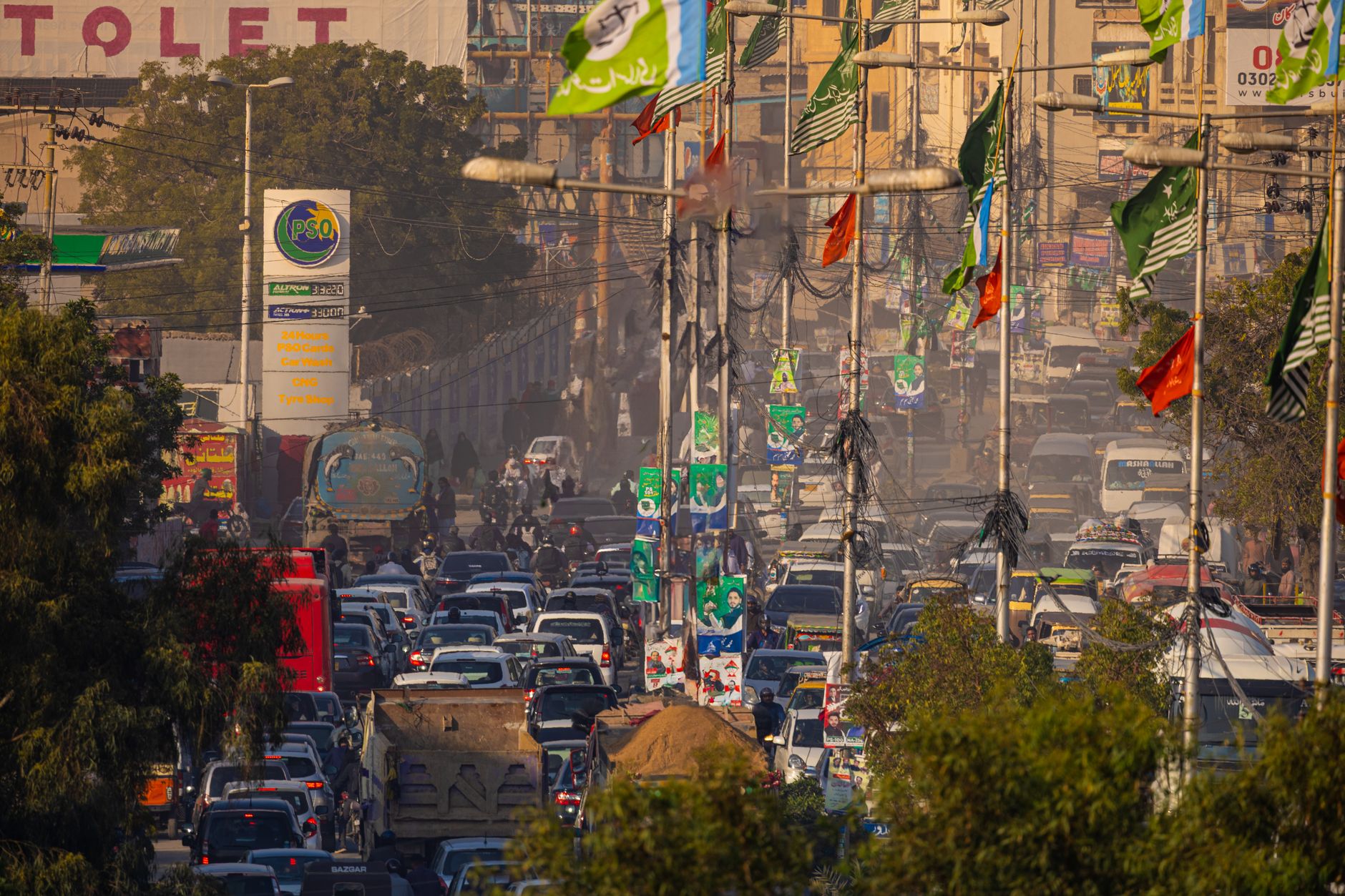
Photo by Tahamie Farooqui on Pexels
Benazir Bhutto: A Life Cut Short in a Park
On December 27, 2007, Benazir Bhutto was assassinated in Liaquat National Park in Rawalpindi, Pakistan. This event shocked the world and marked the end of a life dedicated to politics. Bhutto's death occurred just two months after her return to Pakistan, where she had planned to participate in the general elections.
What Everyone Knows
Most people think that Benazir Bhutto's life was defined by her family's legacy and her two terms as Prime Minister of Pakistan. The standard story goes that she was a symbol of democracy in a country plagued by military rule, and her assassination was a tragic event that highlighted the dangers of political extremism. However, this narrative oversimplifies the complexities of Bhutto's life and career, and fails to account for the challenges she faced as a woman in a male-dominated political landscape.
What History Actually Shows
Benazir Bhutto was first elected as Prime Minister on December 1, 1988, after the death of her father, Zulfikar Ali Bhutto. Historian Stanley Wolpert notes in his book "Zulfi Bhutto of Pakistan" that Benazir's election was a significant turning point in Pakistani politics, as it marked the first time a woman had been elected to lead a Muslim-majority country. Bhutto's first term was cut short on August 6, 1990, when she was dismissed by the President, Ghulam Ishaq Khan. According to journalist and author, Owen Bennett Jones, in his book "Pakistan: Eye of the Storm", Bhutto's dismissal was the result of a combination of factors, including her government's handling of the economy and her clashes with the military establishment. Bhutto was re-elected on October 19, 1993, in a campaign that was marked by violence and intimidation, and her second term was marked by significant challenges, including a struggling economy and a deteriorating relationship with the military. Bhutto's own memoir, "Daughter of the East", provides valuable insights into her experiences as a woman in politics, and highlights the obstacles she faced in her quest for power. As historian Ayesha Jalal notes, Bhutto's life and career were marked by a complex interplay of factors, including her family's legacy, her own personal ambitions, and the broader social and political context of Pakistan in the late 20th century. On November 8, 2007, Bhutto returned to Pakistan after eight years in exile, and began to campaign for the upcoming general elections, which would ultimately lead to her tragic assassination in Liaquat National Park.
The Part That Got Buried
Pakistani government officials and military leaders actively worked to suppress the story of Benazir Bhutto's life and death, fearing it would galvanize opposition to their rule. General Pervez Musharraf, who seized power in a coup, was particularly invested in controlling the narrative around Bhutto's assassination, as he faced intense scrutiny for his role in her death. The Pakistani media, dominated by military sympathizers and government-controlled outlets, failed to pursue investigative reporting on the circumstances surrounding Bhutto's killing, allowing key details to remain obscured. Specifically, the government's decision to immediately hose down the crime scene, destroying crucial evidence, made it impossible for investigators to gather forensic proof of the events leading up to her murder, thereby limiting the scope of subsequent inquiries.
The Ripple Effect
Benazir Bhutto's assassination led to a significant increase in violence and instability in Pakistan, as her supporters and opponents clashed in the aftermath. The Pakistan Peoples Party, which Bhutto led, was thrown into disarray, and it took years for the party to regroup and regain its footing. One specific modern consequence of Bhutto's death is the ongoing instability in the Swat Valley, where the Pakistani Taliban, emboldened by the power vacuum created by her assassination, launched a violent insurgency that persists to this day, affecting the lives of millions of people living in the region.
The Line That Says It All
Benazir Bhutto was shot in the neck and killed on December 27, 2007, at Liaquat National Park in Rawalpindi, a city in the Punjab province of Pakistan.
A Note on Sources
This article draws on historical records, documented accounts, and academic research related to the life and death of Benazir Bhutto and Pakistani politics in the late 20th and early 21st centuries.


