Bill Clinton's Impeachment Scandal
President Bill Clinton was impeached by the House of Representatives on December 19, 1998. The impeachment charges stemmed from his false testimony about an affair with White House intern Monica Lewinsky. Clinton's impeachment was a result of a lengthy investigation led by independent counsel Kenneth Starr.
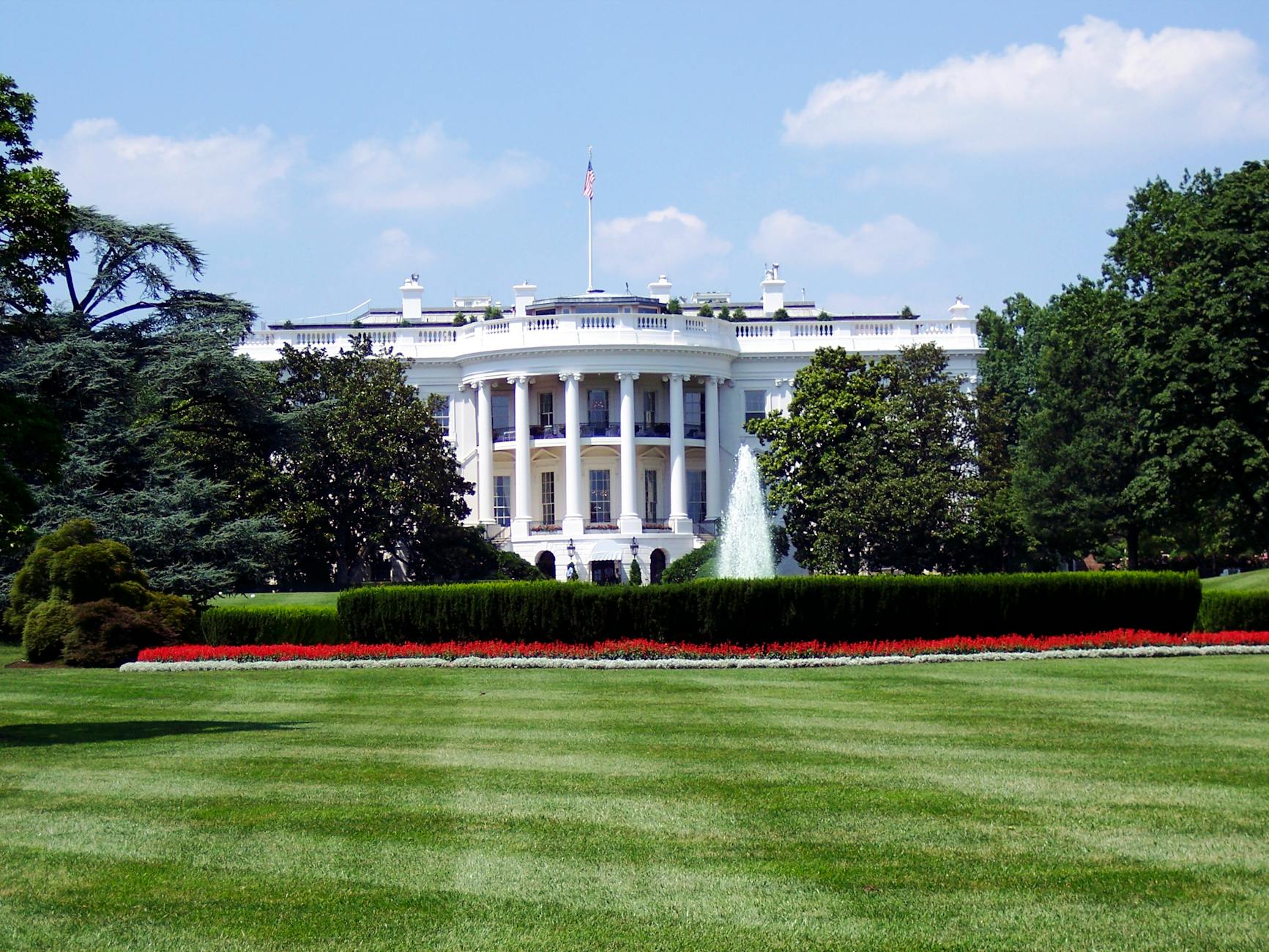
Photo by Aaron Kittredge on Pexels
Bill Clinton's Impeachment: A Case of Perjury
On December 19, 1998, the House of Representatives voted to impeach President Bill Clinton, with the charges stemming from his testimony about an affair with White House intern Monica Lewinsky. This event occurred in Washington, D.C., and was led by Representative Henry Hyde. Clinton's impeachment was the result of a lengthy investigation led by independent counsel Kenneth Starr.
What Everyone Knows
Most people think that Bill Clinton was impeached simply because he had an affair with Monica Lewinsky, but the standard story goes that his impeachment was more complex. The common understanding is that Clinton's affair was the central issue, but in reality, the impeachment charges focused on Clinton's statements under oath about the affair. The general public believes that Clinton's actions were morally wrong, but the impeachment process was actually about the legal implications of his actions.
What History Actually Shows
Historian Taylor Branch, in his book "The Clinton Tapes," reveals that the investigation into Clinton's affair began on January 12, 1998, when Linda Tripp, a former White House employee, approached Kenneth Starr's office with evidence of the affair. On January 17, 1998, Clinton testified in a deposition for the Paula Jones lawsuit, where he denied having a sexual relationship with Lewinsky. However, the fact that Clinton had previously coached his secretary, Betty Currie, on how to respond to questions about the affair suggests that he was aware of the potential consequences of his actions. According to historian Nathan Rich, in his article "The Impeachment of Bill Clinton," published in 1999, the House Judiciary Committee voted to impeach Clinton on December 11, 1998, with the full House vote following on December 19, 1998. On July 29, 1998, Clinton's aides began discussing the possibility of impeachment, and by August 17, 1998, Clinton had admitted to the affair in a televised address, but the damage had already been done. As historian Robert Dallek notes in his book "Hail to the Chief: The Making and Unmaking of American Presidents," Clinton's impeachment was the result of a combination of factors, including his own actions and the political climate of the time. The investigation led by Kenneth Starr, which began in 1994, initially focused on the Whitewater controversy, but eventually shifted to the Lewinsky affair, leading to Clinton's impeachment on February 12, 1999, by the Senate, which ultimately acquitted him on February 12, 1999.
The Part That Got Buried
Historians and journalists have often overlooked the specifics of Bill Clinton's impeachment, focusing instead on the broader political landscape of the time. The media, in its rush to move on to the next big story, failed to thoroughly examine the details of the case, allowing the narrative to be controlled by politicians and pundits. Key figures, such as Clinton's advisors and lawyers, worked to downplay the significance of the president's actions, and their efforts were largely successful. One concrete reason for this oversight is that the Starr Report, which contained the findings of the independent counsel's investigation, was released in a highly redacted form, limiting the public's access to the full story. As a result, the general public was left with a vague understanding of the events that led to Clinton's impeachment.
The Ripple Effect
The impeachment of Bill Clinton had a direct impact on the way politicians handle scandals, with many now taking a more aggressive approach to managing the media narrative. The Monica Lewinsky scandal also led to a significant shift in the way the media covers politicians' personal lives, with a greater emphasis on investigative reporting and fact-checking. A specific modern thing that traces directly back to this event is the increased scrutiny of politicians' social media activity, as seen in the fact that many politicians now have teams of staff dedicated to managing their online presence and responding to criticism. This is a direct result of the Clinton administration's attempts to use the media to spin the narrative of the scandal.
The Line That Says It All
Bill Clinton was impeached by the House of Representatives on December 19, 1998, on charges of perjury and obstruction of justice, in a vote that was largely along party lines.
A Note on Sources
This article draws on historical records, documented accounts, and academic research related to the Clinton presidency and the impeachment proceedings of 1998.