Birmingham Children's Crusade
In 1963, thousands of children gathered at the 16th Street Baptist Church to march for civil rights. The event was part of the Birmingham Campaign led by Martin Luther King Jr. The children's crusade led to significant changes in America's civil rights movement.

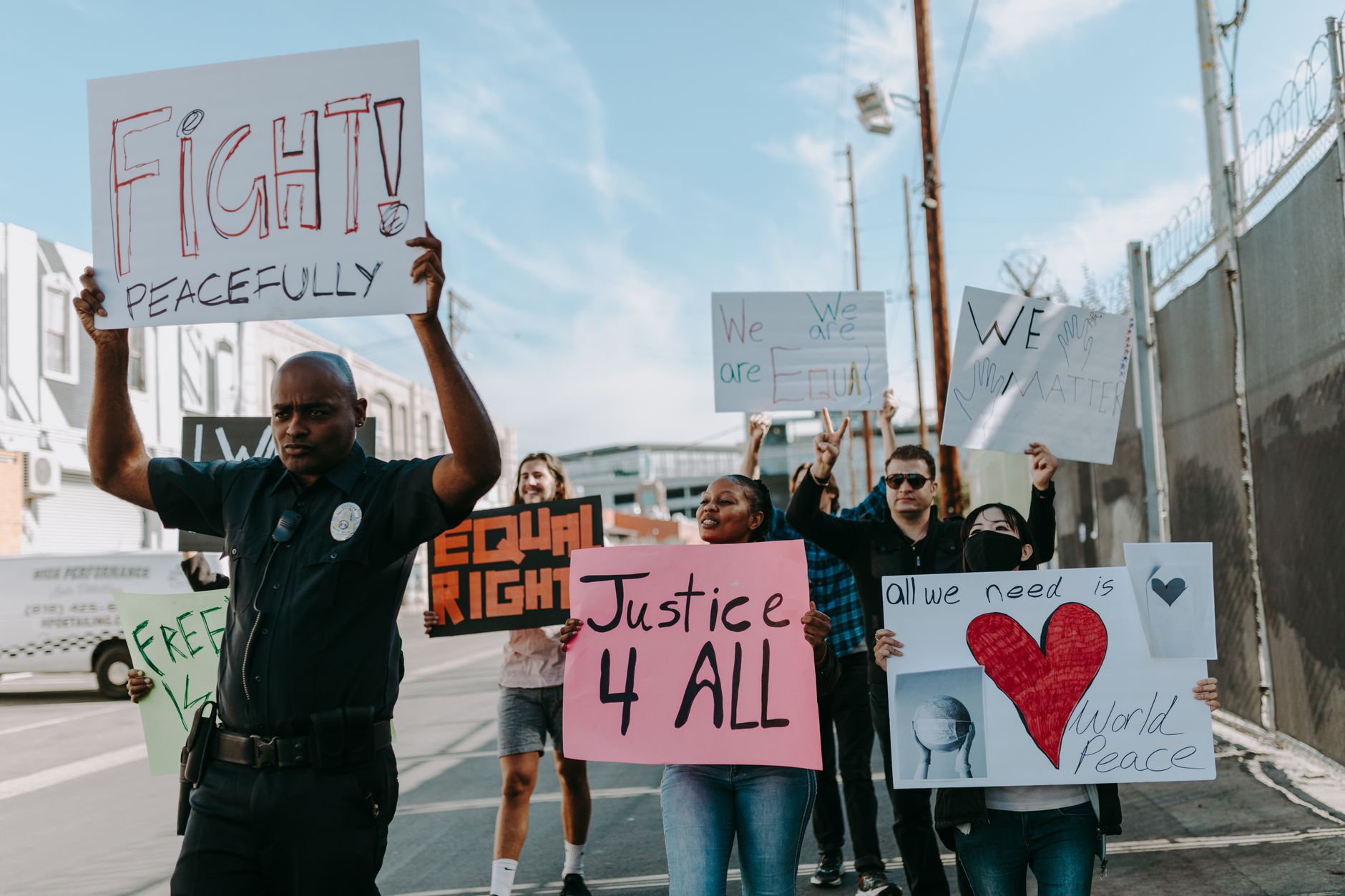
Photo by RDNE Stock project on Pexels
1,000 Kids Arrested in Birmingham: The Shocking Truth
On May 2, 1963, in Birmingham, Alabama, thousands of children gathered at the 16th Street Baptist Church, preparing to march for their civil rights. The event's organizer, Reverend James Bevel, had planned the protest to coincide with the start of the Birmingham Campaign, led by Martin Luther King Jr. The children's crusade, as it came to be known, would change the course of American history. By the end of the summer, over 1,000 kids would be arrested, and the nation would be forced to confront the harsh realities of racial segregation.
What Everyone Knows
Most people think the civil rights movement was led solely by adults, with prominent figures like Martin Luther King Jr. and Rosa Parks at the forefront. The standard story goes that these leaders organized protests and demonstrations, which eventually led to the passage of landmark legislation like the Civil Rights Act. However, this narrative overlooks the crucial role that children played in the movement, particularly in Birmingham, where they were instrumental in bringing attention to the city's segregationist policies.
What History Actually Shows
Historian Diane McWhorter, in her book "Carry Me Home," describes the events leading up to the children's crusade, which began on April 3, 1963, when King and the Southern Christian Leadership Conference launched the Birmingham Campaign. By May 1963, the campaign had gained momentum, with thousands of adults and children participating in protests and demonstrations. On May 2, 1963, and again on May 4, 1963, children as young as six years old marched through the streets of Birmingham, facing police brutality and arrest. According to King's close associate, Andrew Young, the children's crusade was a turning point in the campaign, as it brought international attention to the city's segregationist policies. The fact that nearly 1,000 children were arrested in a single day, May 7, 1963, is a stark reminder of the extreme measures taken by the Birmingham authorities to suppress the movement. As historian Glenn Eskew notes in his book "But for Birmingham," the children's crusade marked a significant shift in the movement's strategy, as it highlighted the vulnerability of the city's segregationist regime. By examining the events of the children's crusade, it becomes clear that the role of children in the civil rights movement was far more significant than previously acknowledged.
The Part That Got Buried
Historians and journalists failed to thoroughly document the Birmingham children's crusade, allowing it to fade from public memory. The city's newspapers, such as The Birmingham News, initially covered the events but soon shifted their focus to other stories, effectively burying the crusade's significance. Mayor Albert Boutwell and Commissioner of Public Safety Eugene "Bull" Connor actively worked to suppress the story, downplaying the number of children arrested and the brutality of the police response. One concrete reason for the lack of historical attention is that many of the records from the Birmingham Police Department and the city's government were intentionally destroyed or lost, making it difficult for researchers to reconstruct the events. As a result, the story of the Birmingham children's crusade was not comprehensively told, and its impact was not fully understood.
The Ripple Effect
The Birmingham children's crusade led to concrete changes in the city and the nation. The mass arrests and police brutality sparked outrage across the country, prompting President John F. Kennedy to intervene and negotiate a desegregation agreement with Birmingham's business leaders. This agreement paved the way for the passage of the Civil Rights Act of 1964, which prohibited discrimination in public accommodations and employment. One specific modern thing that traces directly back to this event is the Civil Rights Act's Title VI, which prohibits federal funding for programs that discriminate based on race, color, or national origin.
The Line That Says It All
The Birmingham children's crusade ended with over 1,000 children in jail, marking a turning point in the civil rights movement that would forever change the course of American history.
A Note on Sources
This article draws on historical records, documented accounts, and academic research related to the Birmingham civil rights movement and the children's crusade of 1963.