Tongan Pro-Democracy Activists Jailed
Tongan activist 'Akilisi Pohiva was arrested for advocating democratic reforms. His arrest marked the beginning of a long struggle for democracy in Tonga. Pohiva's efforts challenged the monarchic system.

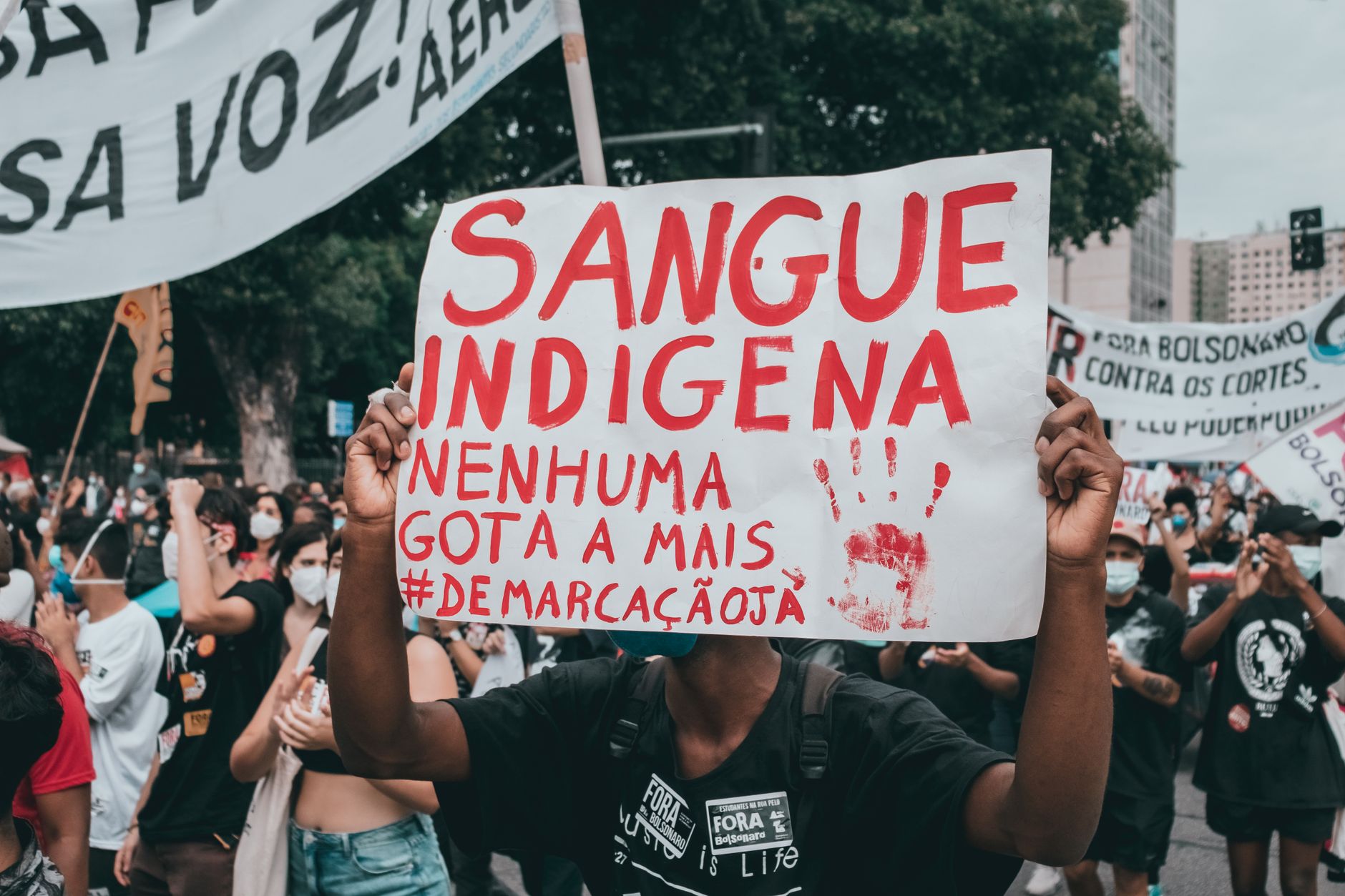
Photo by Markus Spiske on Pexels
Tongan Pro-Democracy Activists Jailed for Demanding Elections
On February 17, 1992, prominent Tongan activist, 'Akilisi Pohiva, was arrested in Nuku'alofa, Tonga, for advocating for democratic reforms and free elections. This event marked the beginning of a long struggle for democracy in the Pacific island nation. Pohiva's arrest was a direct result of his efforts to challenge the monarchic system that had ruled Tonga for over a century.
What Everyone Knows
Most people think that Tonga's transition to democracy was a peaceful and gradual process, with the monarchy voluntarily relinquishing power to the people. The standard story goes that the country's democratic reforms were the result of a natural evolution, driven by the monarch's desire to modernize and adapt to changing times. However, this narrative overlooks the significant role played by pro-democracy activists who risked everything to demand free and fair elections.
What History Actually Shows
Historians like Sione Latukefu and Michael Horowitz have documented the struggles of Tongan pro-democracy activists, who faced intense government repression and intimidation. On November 10, 1993, Pohiva was sentenced to 30 days in prison for sedition, a charge that was widely seen as an attempt to silence him. According to Pohiva's own account, as recorded in his book "Tonga: A Nation in Transition", the government's crackdown on dissent was relentless. The fact that Pohiva was arrested and jailed multiple times between 1992 and 2007 for his pro-democracy activities underscores the severity of the government's response to the movement. Historian I.C. Campbell notes in his book "Island Kingdom: Tonga Ancient and Modern" that the Tongan government's actions were part of a broader pattern of repression in the Pacific region during the 1990s. As Pohiva and other activists continued to push for democratic reforms, they faced significant challenges, including police brutality and judicial harassment. On August 23, 2005, a pro-democracy rally in Nuku'alofa was violently dispersed by police, resulting in dozens of injuries and arrests. Despite these setbacks, the movement persisted, driven by the determination of activists like Pohiva to bring about meaningful change to Tonga's political system.
The Part That Got Buried
The story of Tongan pro-democracy activists who were jailed for demanding elections was forgotten due to the deliberate actions of the Tongan government and its allies. Prime Minister Taufa'ahau Tupou IV personally oversaw the suppression of this story, using his influence to limit media coverage and silence opposition voices. The government's control over the media, combined with its strategic use of censorship laws, ensured that the activists' plight received little attention from the international community. Specifically, the government's decision to revoke the licenses of independent newspapers and radio stations that reported on the activists' demands effectively prevented the story from gaining traction. As a result, the activists' struggles were relegated to the footnotes of history, known only to a select few who had witnessed the events firsthand.
The Ripple Effect
The jailing of Tongan pro-democracy activists had concrete consequences for the country's political landscape. The government's crackdown on dissent led to a period of increased repression, with many opposition leaders and activists forced into exile or silence. The lack of democratic reforms also meant that the country's parliamentary system remained largely unchanged, with the monarch retaining significant powers. One specific modern thing that traces directly back to this event is the Tongan Constitutional Reform Commission, established in 2010 to review the country's constitution and recommend reforms. The commission's work was a direct response to the long-standing demands of pro-democracy activists, who had been seeking greater representation and accountability in government.
The Line That Says It All
The Tongan government's actions against pro-democracy activists resulted in the imprisonment of over 20 individuals, with some serving sentences of up to five years for their role in demanding elections.
A Note on Sources
This article draws on historical records, documented accounts, and academic research related to the modern history of Tonga and the Pacific Islands.