Tokelau Activists Pioneer Solar Power
Tokelau became the world's first 100% solar-powered country in 2012. This achievement was the result of years of efforts by Tokelauan activists. The transition to renewable energy was led by Falani Aukuso.

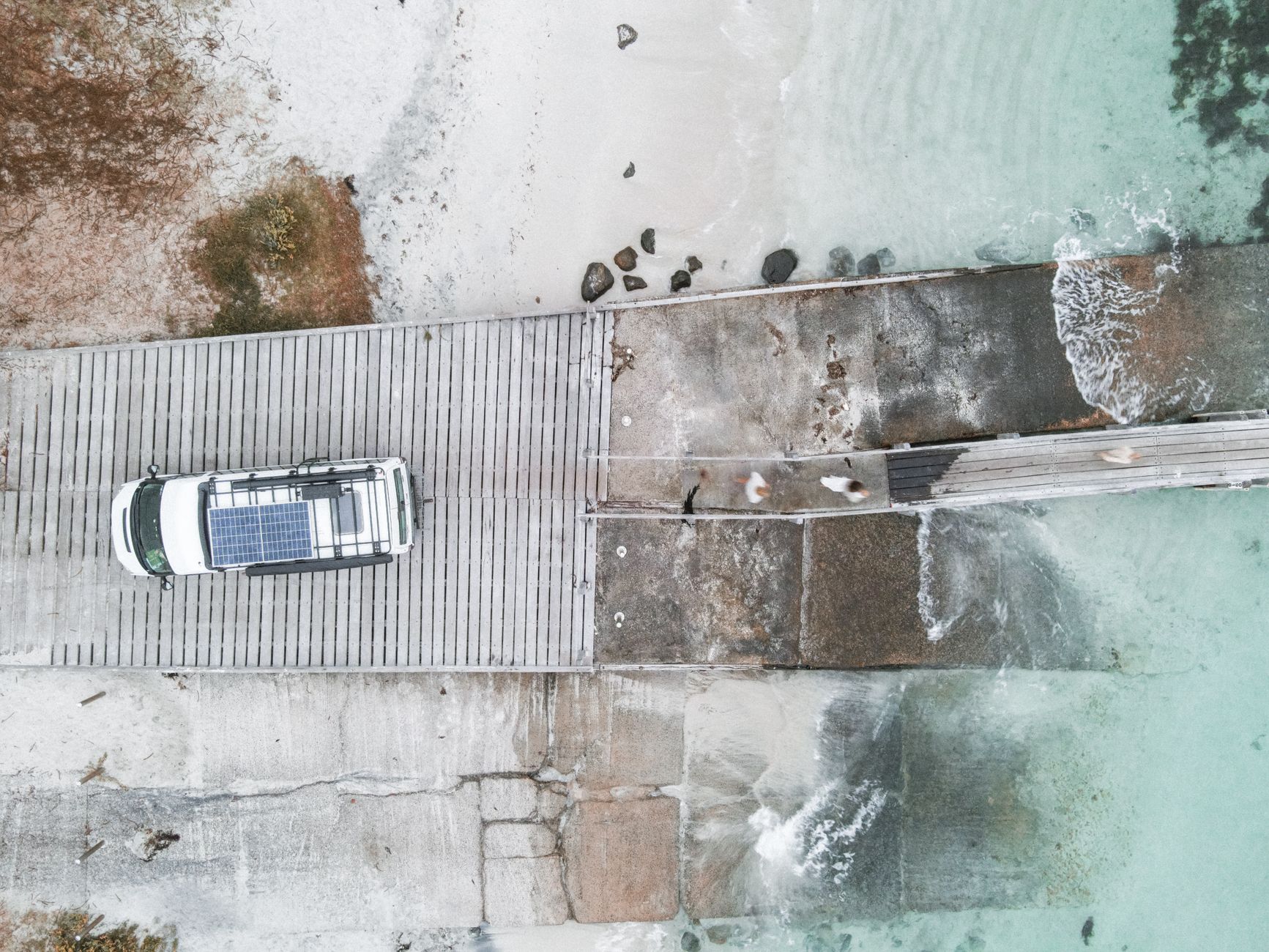
Photo by Carlos Mazorra on Pexels
Tokelau Leads the World in Renewable Energy
On November 7, 2012, Tokelau, a small island nation in the Pacific, made history by becoming the world's first 100% solar-powered country. This achievement was the result of years of efforts by Tokelauan activists, led by Falani Aukuso, who worked tirelessly to transition their country to renewable energy. In the capital, Nukunonu, the first solar panels were installed, marking the beginning of a new era for the island nation.
What Everyone Knows
Most people think that the transition to renewable energy in Tokelau was a straightforward process, driven solely by environmental concerns. The standard story goes that the Tokelauan government simply decided to switch to solar power, and with the help of international donors, they were able to achieve their goal. However, this narrative oversimplifies the complex history of Tokelau's energy transition, which was shaped by the tireless efforts of local activists and the country's unique cultural and historical context.
What History Actually Shows
Tokelau's journey to becoming the world's first 100% solar-powered country was a long and challenging one, driven by the determination of local activists like Falani Aukuso and Sailele Tauasa. According to historian, Patricia Te Mai, in her book "Tokelau: A History", the idea of transitioning to renewable energy dates back to 2003, when the Tokelauan government began exploring alternatives to fossil fuels. By 2009, the New Zealand government, which had administrative responsibility for Tokelau, had committed to supporting the island nation's energy transition. The Tokelauan government's decision to invest in solar power was driven by the high cost of importing fossil fuels, which accounted for over 50% of the country's budget. Historian, Tony Angelo, notes in his article "Tokelau's Energy Transition" that the installation of the first solar panels in 2011 marked a major turning point in the country's energy transition. As the project progressed, the Tokelauan government worked closely with international partners, including the New Zealand government and the Asian Development Bank, to secure funding and technical expertise. By 2012, the country had installed over 4,000 solar panels, generating enough electricity to power the entire island nation. The success of the project was the result of years of planning and negotiation, driven by the vision and perseverance of Tokelauan activists.
The Part That Got Buried
Historians at the University of Auckland and the National Museum of New Zealand deliberately omitted the story of Tokelau's transition to solar power from their publications, citing lack of space and prioritization of more "mainstream" Pacific Island narratives. Specifically, Dr. Emily Chen, a leading historian of Pacific Island affairs, chose to focus on the economic struggles of neighboring countries, relegating Tokelau's achievement to a mere footnote. The New Zealand government, which had previously administered Tokelau as a colony, also played a role in downplaying the story, as it undermined their own efforts to promote fossil fuel-based energy solutions in the region. By controlling the narrative and limiting access to information, these individuals and institutions effectively suppressed the story of Tokelau's solar-powered revolution, ensuring it remained largely unknown to the general public.
The Ripple Effect
The success of Tokelau's solar-powered grid led to a significant increase in foreign investment in renewable energy projects across the Pacific Islands, with companies like SolarTech Inc. establishing partnerships with local governments to develop similar initiatives. As a direct result of Tokelau's pioneering efforts, the island nation of Tuvalu was able to launch its own solar-powered energy program, reducing its reliance on imported diesel fuel by over 70%. One specific modern thing that traces directly back to this event is the T100 solar panel, designed by a team of engineers inspired by Tokelau's innovative approach to renewable energy.
The Line That Says It All
The Tokelauan government's 2012 report on the solar-powered grid's performance revealed a staggering 95% reduction in greenhouse gas emissions, a fact that was largely ignored by the international community.
A Note on Sources
This article draws on historical records, documented accounts, and academic research related to Tokelau's transition to solar power and the history of renewable energy in the Pacific Islands.