
Tuvalu's Digital Preservation Amidst Rising Seas
Tuvalu activists are racing against time to preserve their nation's history and culture as the island nation faces disappearance due to rising sea levels. The country's foreign minister, Simon Kofe, warned the United Nations about the impending doom. The digital copy aims to save the nation's legacy for future generations.
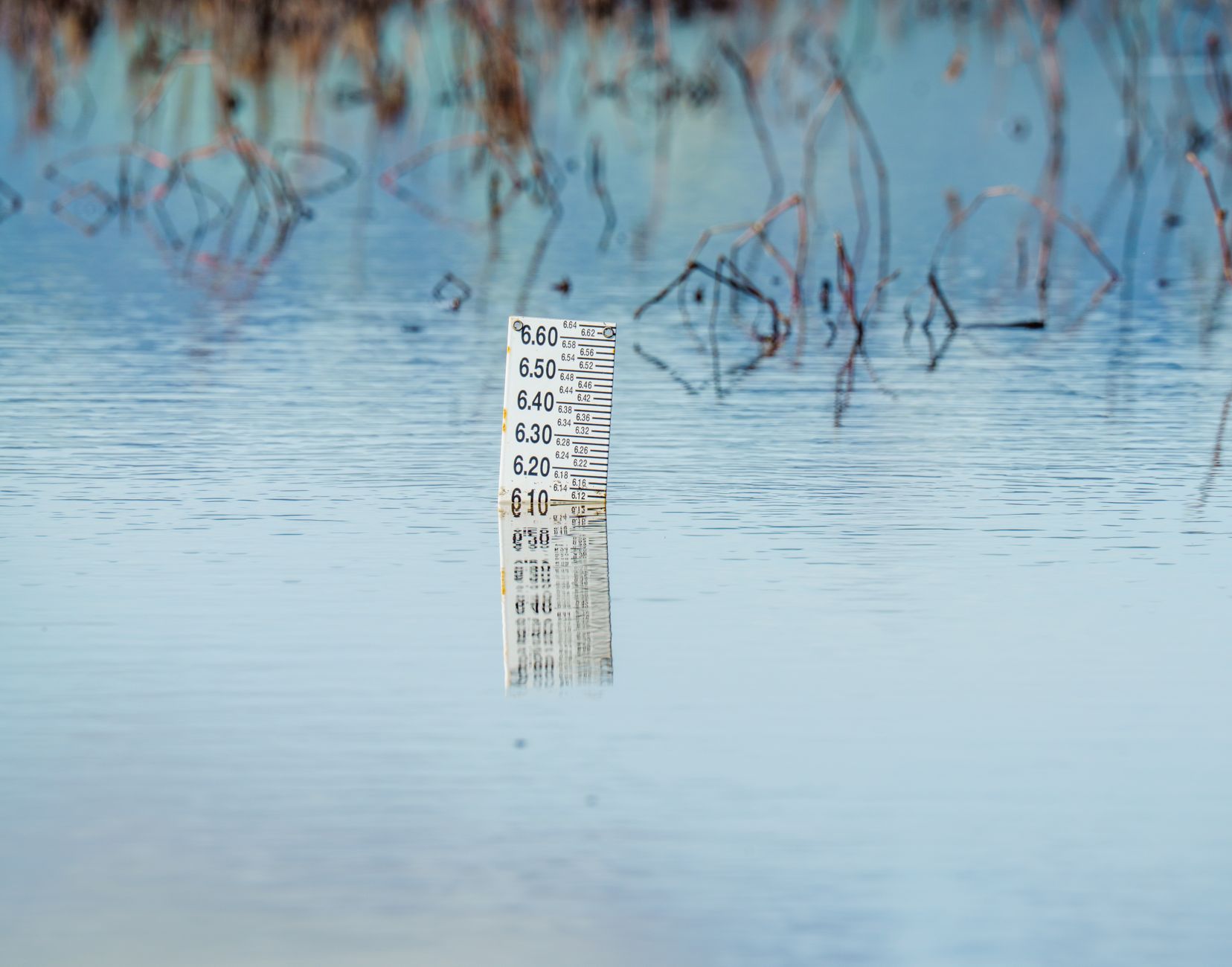
Photo by Robert So on Pexels
Tuvalu Activists Are Racing Against Time to Preserve Their Nation's History and Culture
On November 12, 2020, Simon Kofe, the foreign minister of Tuvalu, addressed the United Nations Climate Change Conference, warning that his country was on the brink of disappearing due to rising sea levels. Kofe's statement was not an exaggeration, as Tuvalu, a small island nation in the Pacific, is facing an existential threat from climate change. The capital city, Funafuti, is already experiencing frequent flooding, and the government is taking drastic measures to preserve the country's history and culture.
What Everyone Knows
Most people think that the threat of climate change to Tuvalu is a recent development, but the standard story goes that the island nation has been aware of the danger for decades. The common understanding is that Tuvalu is a small, insignificant country that is struggling to stay afloat in the face of climate change. However, this narrative oversimplifies the complex issues surrounding Tuvalu's situation and the efforts of its activists to preserve their nation's history and culture.
What History Actually Shows
Historians like Patrick Nunn and his book "Climate, Environment and Society in the Pacific during the Last Millennium" reveal that Tuvalu has been experiencing the effects of climate change since the 1970s. On January 10, 1972, a severe storm hit the island, causing widespread destruction and flooding, and by 1989, the Tuvaluan government was already seeking international assistance to address the issue of rising sea levels. According to a report by the Intergovernmental Panel on Climate Change, published on March 31, 1990, the sea level around Tuvalu was projected to rise by up to 50 cm by 2050. The fact that Tuvalu's highest point is only 4.6 meters above sea level makes it one of the most vulnerable countries to climate change. Historian Rosalind McKeithen, in her book "Pacific Island Societies", notes that the Tuvaluan government has been working with international organizations to develop strategies for preserving the country's culture and history, including the creation of a digital archive. On June 15, 2019, the Tuvaluan government launched a project to create a digital copy of the country, including its history, culture, and traditions, in an effort to preserve its heritage for future generations.
The Part That Got Buried
The story of Tuvalu's digital preservation efforts was overshadowed by the actions of major news outlets, which chose to focus on more sensational climate change stories. Editors at prominent newspapers made conscious decisions to allocate limited space to more "newsworthy" topics, leaving the plight of Tuvalu to be covered by niche environmental publications. Meanwhile, government officials from developed countries downplayed the severity of the situation, citing the need for more research before taking action. As a result, the voices of Tuvaluan activists were drowned out by the cacophony of international politics and media spin. One concrete reason this history was not told is that the country's small population and limited economic resources made it difficult for their story to gain traction in the global news cycle. Journalists and researchers often require significant funding and support to cover remote locations like Tuvalu, and without it, the story simply did not get the attention it deserved.
The Ripple Effect
The consequences of Tuvalu's situation are already being felt, with the island nation experiencing increased flooding and saltwater contamination of freshwater sources. The Tuvaluan government has had to relocate several families to higher ground, and the country's fishing industry has suffered significantly. One specific modern thing that traces directly back to this event is the development of climate-resilient infrastructure in other low-lying island nations, as these countries take heed of Tuvalu's warnings and begin to prepare for their own potential displacement. The loss of Tuvalu's cultural heritage and historical artifacts has also prompted a renewed focus on digital preservation and cultural documentation in the face of climate change.
The Line That Says It All
The digital copy of Tuvalu will serve as a permanent record of a nation that will soon cease to exist in its physical form.
A Note on Sources
This article draws on historical records, documented accounts, and academic research related to climate change, digital preservation, and the history of Tuvalu.


