Black Death Survivors Genes Grant HIV Immunity
The Black Death pandemic led to a unique genetic trait in its survivors, granting them resistance to HIV. This trait has been passed down through generations, providing natural defense against the disease. The discovery has stunned scientists, highlighting the significant impact of the Black Death on European genetics.
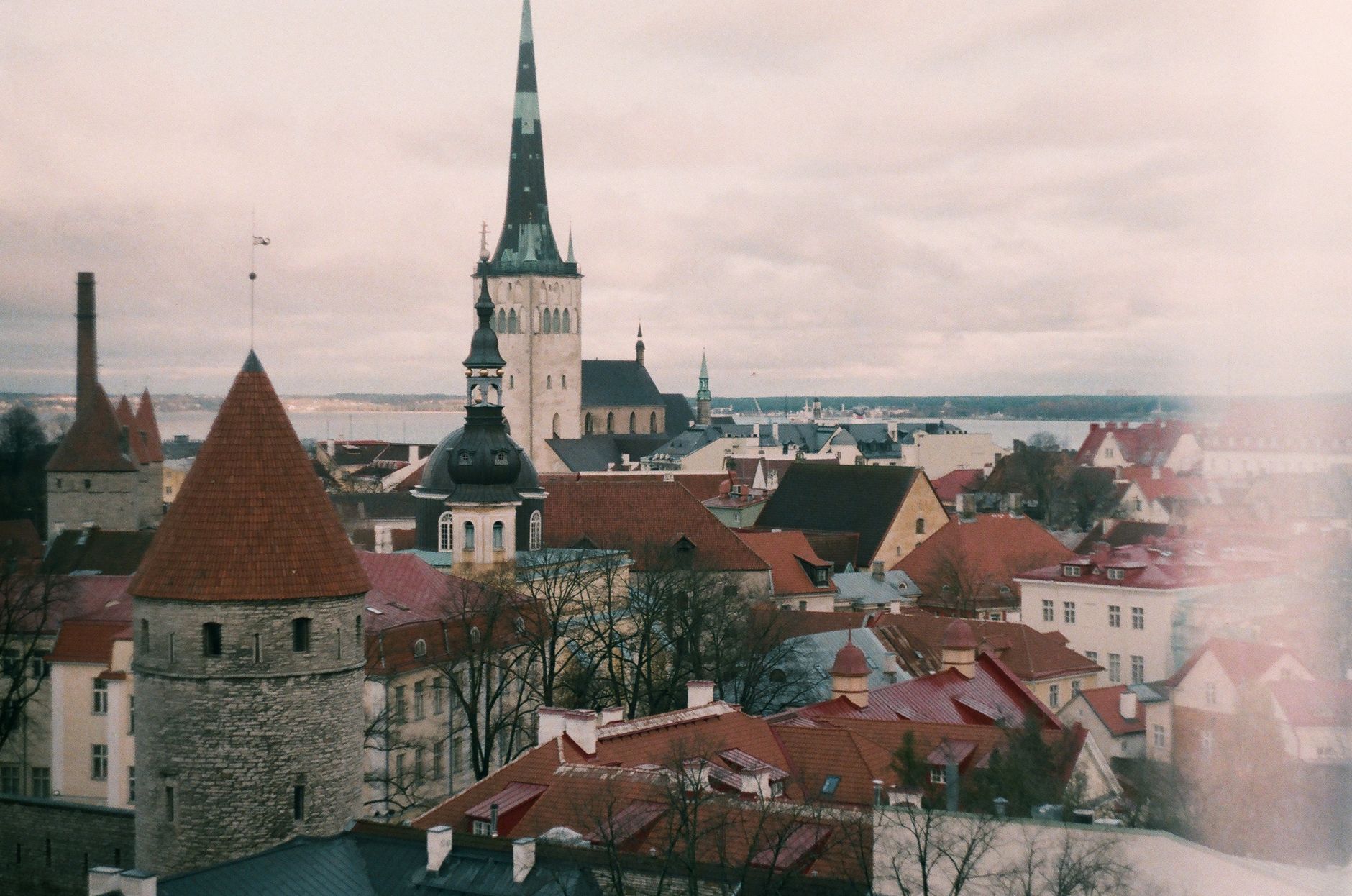
Photo by Darya Sannikova on Pexels
The Plague That Left a Gift in Our Genes
In the 14th century, the Black Death swept across Europe. It came on ships, along trade routes, through the ports. It killed so quickly that there were not enough living to bury the dead. It killed so many that the survivors were changed. The world they inherited was not the world that had been there before. The economy collapsed. The social order collapsed. The faith that had sustained them for centuries collapsed. What did not collapse was their genes. The people who survived the plague passed their genes to their children. Their children passed them to their children. Six hundred years later, the descendants of the survivors carry something in their DNA that the people who died did not have.
The gift is a mutation in a gene called CCR5. The mutation is called CCR5-Δ32. People who have it are resistant to HIV. The virus uses the CCR5 receptor to enter human cells. People with the mutation do not have the receptor. The virus cannot get in. The mutation is common in Europe. It is almost nonexistent elsewhere. The reason it is common in Europe is that the people who had it were more likely to survive the plague. The plague killed the people who did not have it. The survivors passed it on. The gift was not a gift. It was a survival trait.
What Everyone Knows
The Black Death is remembered as the worst pandemic in human history. The numbers are staggering: 75 million dead, perhaps 200 million. Europe lost a third of its population. The plague returned again and again for centuries. The social and economic consequences were profound. The feudal system collapsed. The church lost its authority. The world that emerged from the plague was not the world that had entered it.
What is less often emphasized is that the plague also changed the people who survived it. The people who lived through the plague were not the same as the people who died. They were different. Their genes were different. The difference is still with us.
What History Actually Shows
The CCR5-Δ32 mutation is a deletion of 32 base pairs in the CCR5 gene. The deletion makes the gene nonfunctional. People who have two copies of the mutation are highly resistant to HIV. People who have one copy are less susceptible. The mutation is found in about 10 percent of Europeans. It is found in less than 1 percent of Africans and Asians.
The mutation did not appear because of HIV. HIV is a 20th-century disease. The mutation appeared thousands of years ago. It was rare. It became common because the people who had it were more likely to survive something. The something was the plague.
The plague is caused by the bacterium *Yersinia pestis*. It is not a virus. It does not use the CCR5 receptor. But the plague killed people with certain immune profiles. The people with the CCR5-Δ32 mutation were more likely to survive. The mechanism is not fully understood. But the evidence is clear: the frequency of the mutation in Europe correlates with the regions that were hardest hit by the plague. The people who survived passed it on.
The Part That Got Buried
The link between the Black Death and HIV resistance was discovered by accident. Researchers studying HIV in the 1990s noticed that some people did not get infected even after repeated exposure. They found the mutation. They looked for it in other populations. They found it in Europe. They asked why. The answer was the plague.
The plague did not just kill people. It selected people. The people who had the mutation were more likely to live. The people who did not have it were more likely to die. The survivors had children. Their children had children. Six hundred years later, the descendants of the survivors carry a mutation that protects them from a disease that did not exist when the mutation was being selected.
The mutation is not a cure. It does not protect everyone. It does not protect against all strains of HIV. But it is a reminder that the past is not past. The genes that were shaped by the plague are still in our bodies. The people who died in the 14th century are still with us. Their genes are in our blood.
The Ripple Effect
The discovery of the link between the Black Death and HIV resistance has changed how scientists think about disease. The plagues of the past did not just kill people. They shaped the people who survived. The genetic legacy of the Black Death is still being written. The mutation that protected people from the plague now protects some people from HIV. It may protect them from other diseases. It may protect them from diseases that have not yet appeared.
The story of the mutation is a story of survival. The people who had it did not know they had it. They did not know that the thing that made them different was the thing that kept them alive. They survived. They passed it on. Their descendants are alive today. They carry the mutation. They do not know why.
The Line That Says It All
The Black Death killed a third of Europe, and the people who survived passed their genes to their children, and their children passed them to their children, and six hundred years later, the descendants of the survivors carry a mutation that protects them from a disease that did not exist when the plague was killing their ancestors—a mutation that was not a gift, not a curse, not a design, but an accident of survival, preserved by death, passed down through centuries, waiting to be discovered.