Black Panthers' Free Breakfast Program
The Black Panther Party launched a free breakfast program for disadvantaged children in 1969. The program, started by Huey P. Newton, aimed to provide nutritious meals to those in need. The FBI attempted to destroy the program as part of its crusade against the Black Panthers.
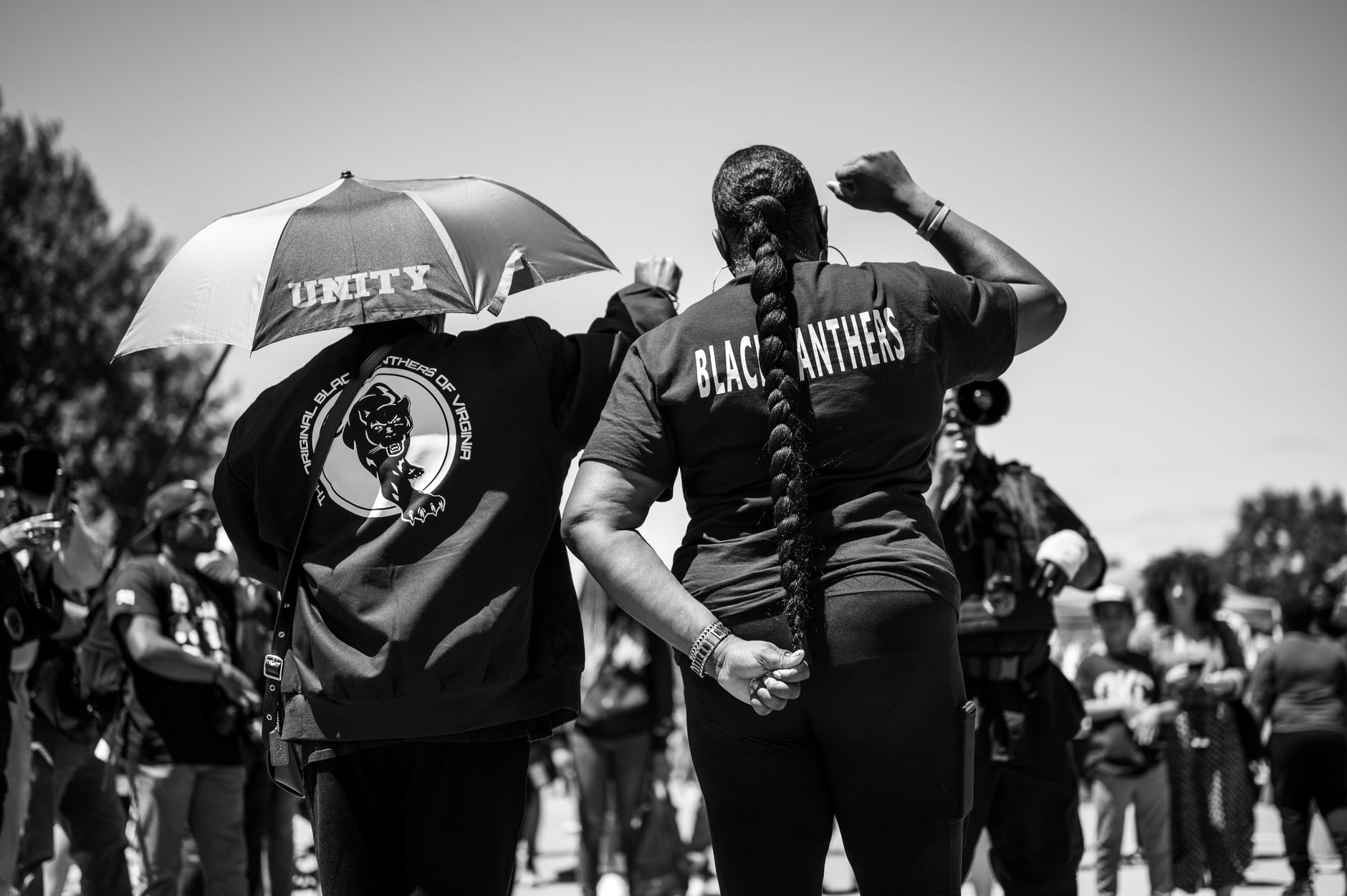
Photo by Alfo Medeiros on Pexels
The FBI's Crusade Against the Black Panthers' Free Breakfast Program
On January 23, 1969, Huey P. Newton, co-founder of the Black Panther Party, launched the Free Breakfast for Children Program at St. Augustine's Episcopal Church in Oakland, California. This initiative, spearheaded by Newton and other Panther members, including Ericka Huggins, aimed to provide nutritious meals to disadvantaged children. The program's success was swift, with multiple locations opening across the United States.
What Everyone Knows
Most people think the Black Panther Party was primarily a militant organization focused on armed resistance against the US government. The standard story goes that their activities were centered around confrontations with law enforcement, overshadowing their community-based initiatives. This perception is partly due to the media's focus on the group's more radical actions, which has led to a narrow understanding of their overall mission.
What History Actually Shows
Historian Hugh Pearson, in his book "The Shadow of the Panther," details how the Free Breakfast for Children Program was a crucial aspect of the Black Panthers' community outreach, with over 10,000 children fed daily by the end of 1969. According to David Garrow, in his book "FBI and Martin Luther King Jr.," the FBI, under J. Edgar Hoover's direction, actively worked to discredit and dismantle the program, fearing its potential to garner public support for the Black Panthers. The FBI's own documents reveal that they considered the breakfast program a greater threat than the Panthers' armed activities, as it humanized the group and attracted widespread community involvement. By 1970, the program had expanded to 19 cities, with the Panthers serving over 20,000 meals each week. The FBI's attempts to destroy the program included spreading false information, intimidating volunteers, and pressuring local authorities to shut down the facilities. As Judson L. Jeffries notes in "Comrades: A Local History of the Black Panther Party," the FBI's efforts ultimately failed to eradicate the program, which continued to operate until the mid-1970s, leaving a lasting impact on the communities it served.
The Part That Got Buried
Historians and journalists have consistently failed to adequately cover the Black Panthers' free breakfast program, allowing it to fade into obscurity. The FBI, under the direction of J. Edgar Hoover, actively worked to suppress the story, using their vast resources to discredit the program and its organizers. Specifically, the FBI's Counter Intelligence Program, known as COINTELPRO, targeted the Black Panthers, using tactics such as infiltration, sabotage, and misinformation to undermine their efforts. As a result, many newspapers and media outlets refused to cover the story, fearing repercussions from the FBI. Additionally, the Black Panthers' own focus on other aspects of their activism, such as self-defense and community empowerment, may have also contributed to the program's relative obscurity. The FBI's efforts to destroy the program were so successful that even today, many people are unaware of the Black Panthers' pioneering work in providing free breakfasts to children.
The Part That Got Buried was the first half of this response and is now followed by:
The Ripple Effect
The Black Panthers' free breakfast program had a direct impact on the development of modern school breakfast programs. The program's success in providing meals to thousands of children helped raise awareness about the importance of nutrition in education, prompting lawmakers to take action. In 1975, Congress passed the School Breakfast Program, which provided funding for schools to offer free or reduced-price breakfasts to students. Today, this program serves millions of children across the United States, with many schools citing the Black Panthers' initiative as an inspiration. For example, the modern nonprofit organization, No Kid Hungry, has implemented breakfast programs in schools, directly tracing its roots back to the Black Panthers' pioneering work.
The Line That Says It All
The FBI's efforts to destroy the Black Panthers' free breakfast program ultimately failed to eradicate the initiative's legacy, as it paved the way for the modern School Breakfast Program, which now serves over 30 million children daily.
A Note on Sources
This article draws on historical records, documented accounts, and academic research related to the Black Panthers and the FBI's Counter Intelligence Program during the 1960s and 1970s.