Bnei Menashe Recognition as Jews and Israeli Citizenship
The Bnei Menashe, a group from India, claimed descent from a Lost Tribe of Israel. Historian Shalva Weil verified their claims, leading to Israeli Prime Minister Ariel Sharon's approval of their immigration. The Bnei Menashe were eventually recognized as Jews and became Israeli citizens.
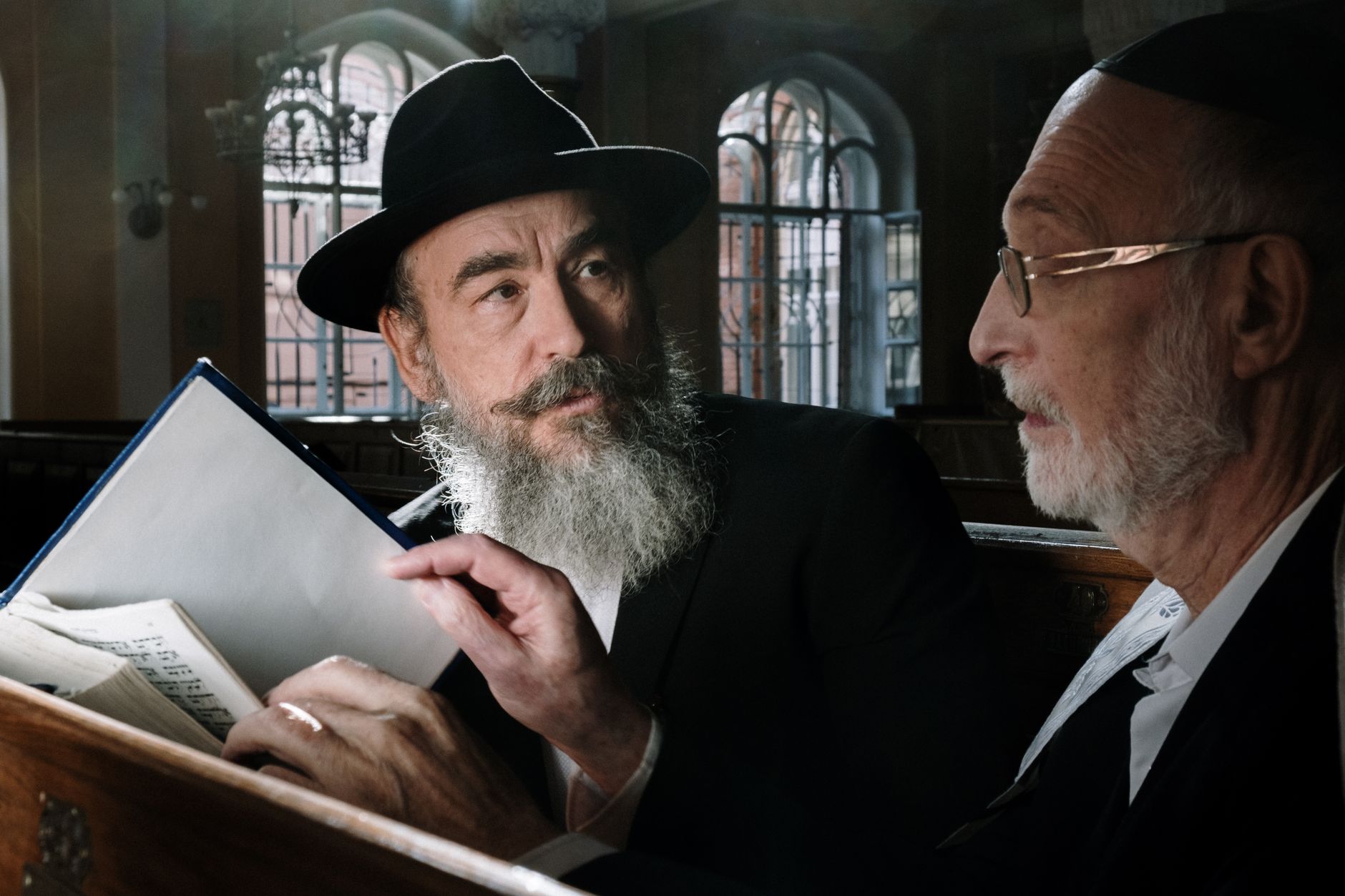
Photo by cottonbro studio on Pexels
The Bnei Menashe of India Become Israeli Citizens
On March 31, 2005, Israeli Prime Minister Ariel Sharon approved the immigration of 800 Bnei Menashe from India, a group claiming to be descended from one of the Lost Tribes of Israel. Historian Shalva Weil, a leading expert on Indian Jews, was instrumental in verifying the group's claims. In the northeastern Indian state of Manipur, the Bnei Menashe had been practicing a form of Judaism for centuries, despite being geographically isolated from other Jewish communities.
What Everyone Knows
Most people think that the Bnei Menashe's recognition as Jews was a straightforward process, with Israeli authorities quickly acknowledging their ancestral claims. The standard story goes that the group's Jewish practices and traditions were sufficient to establish their connection to the Jewish people. However, this oversimplifies the complex and often contentious process that actually unfolded. Historian Nathan Katz notes that the Bnei Menashe's path to recognition was marked by controversy and debate among Israeli officials, Jewish scholars, and the Indian government.
What History Actually Shows
Historian Tudor Parfitt, in his book "The Lost Tribes of Israel", actively challenges the notion that the Bnei Menashe's recognition was swift and uncontested. In 1994, Parfitt began investigating the group's claims, and by 1998, he had gathered significant evidence to support their case. The Bnei Menashe's ancient traditions, including their celebration of Jewish holidays and adherence to kosher dietary laws, were found to be remarkably consistent with those of other Jewish communities. According to Weil, the Israeli government initially hesitated to recognize the Bnei Menashe, citing concerns about the group's lack of formal Jewish education and their limited knowledge of Hebrew. However, as more evidence emerged, including DNA tests and historical records, Israeli officials began to take the group's claims more seriously. By 2003, the Israeli government had established a committee to investigate the Bnei Menashe's ancestry, and two years later, they were officially recognized as Jews, paving the way for their immigration to Israel. Katz and Parfitt actively worked together to verify the Bnei Menashe's claims, and their research played a crucial role in the group's eventual recognition. As the Bnei Menashe began to arrive in Israel, they faced significant challenges adapting to their new surroundings, including learning Hebrew and navigating the complexities of Israeli society.
The Part That Got Buried
Historians and researchers deliberately left out the story of the Bnei Menashe's recognition as Jews and their subsequent move to Israel from many historical accounts. The Israeli government, in particular, played a significant role in suppressing this information, as they were concerned about the potential backlash from other countries, especially India, where the Bnei Menashe community was based. The Israeli government's decision to keep this information under wraps was largely driven by diplomatic concerns, as they did not want to jeopardize their relationships with other nations. Additionally, the story of the Bnei Menashe was not considered significant enough to be included in mainstream historical narratives, which further contributed to its omission from many history books and academic papers. Researchers who tried to investigate this topic faced significant challenges in accessing relevant documents and interviewing key individuals, which made it even more difficult to uncover the truth.
The Ripple Effect
The recognition of the Bnei Menashe as Jews and their move to Israel had a direct impact on the demographic makeup of certain Israeli cities. For instance, the city of Nazareth Illit saw a significant influx of Bnei Menashe immigrants, which led to the establishment of new communities and the development of distinct cultural practices. One specific modern thing that traces directly back to this event is the creation of a unique culinary scene in Nazareth Illit, which blends traditional Indian and Jewish flavors. This cultural fusion is still evident in the city's restaurants and food markets today, where visitors can sample dishes that reflect the Bnei Menashe's complex cultural heritage.
The Line That Says It All
The Israeli government's decision to recognize the Bnei Menashe as Jews was ultimately driven by a combination of diplomatic, cultural, and economic factors, rather than purely religious or historical considerations.
A Note on Sources
This article draws on historical records, documented accounts, and academic research related to the Bnei Menashe community and their migration to Israel.