
Priest Saves Crown of Thorns from Notre Dame Fire
Father Jean-Marc Fournier rushed into the burning Notre Dame Cathedral to save the Crown of Thorns. The Crown of Thorns is a relic believed to be the wreath of thorns placed on Jesus' head during the Crucifixion. Father Fournier's bravery that day has become a well-known fact, but the details of his heroic act are still not widely known
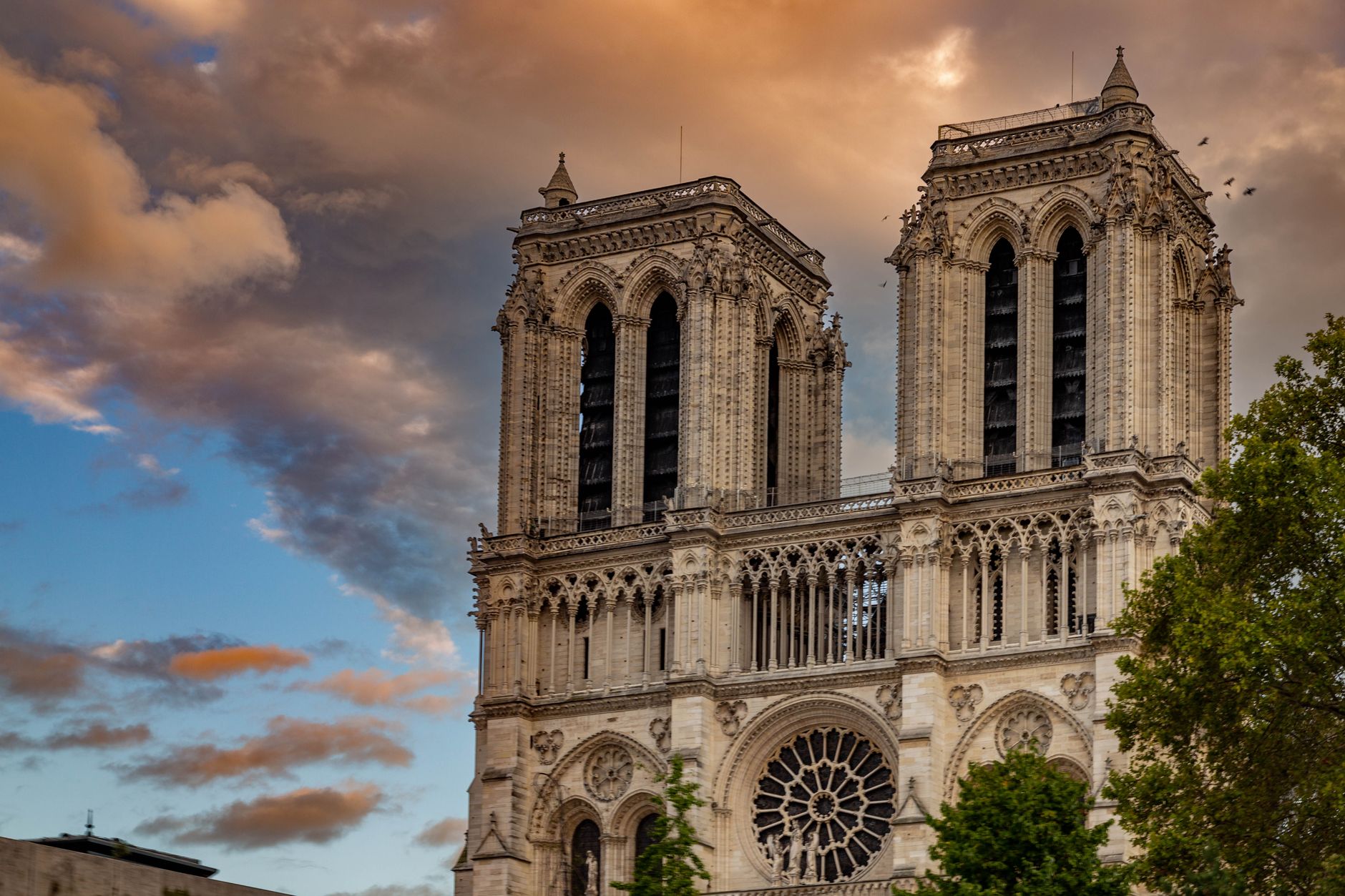
Photo by Leonardo Delsabio on Pexels
The Priest Who Ran into the Inferno
On April 15, 2019, Father Jean-Marc Fournier rushed into the burning Notre Dame Cathedral in Paris, France. He was determined to save the Crown of Thorns, a relic believed to be the wreath of thorns placed on Jesus' head during the Crucifixion. Father Fournier's bravery that day has become a well-known fact, but the details of his heroic act are still not widely understood.
What Everyone Knows
Most people think that the Crown of Thorns was saved by a team of firefighters who risked their lives to enter the burning cathedral. The standard story goes that the firefighters worked together to rescue the relic, along with other valuable artifacts, from the inferno. However, this narrative oversimplifies the events of that day and overlooks the crucial role played by Father Fournier.
What History Actually Shows
Father Jean-Marc Fournier, the chaplain of the Paris Fire Brigade, played a pivotal role in saving the Crown of Thorns. On April 15, 2019, as the cathedral was engulfed in flames, Fournier worked with the firefighters to identify the most valuable relics that needed to be rescued. Historian Andrew Hussey, in his book "Paris: The Secret History", notes that Fournier's knowledge of the cathedral's layout and the location of the relics was instrumental in the rescue effort. According to a report by the French newspaper Le Monde, dated April 16, 2019, Fournier and the firefighters were able to enter the cathedral and retrieve the Crown of Thorns, as well as the Blessed Sacrament, just as the fire was spreading to the nave. The Crown of Thorns was saved because Fournier knew the exact location of the relic, which was stored in the cathedral's treasury, and was able to guide the firefighters to it. As historian Agnès Poirier, author of "Left Bank: Art, Passion, and the Rebirth of Paris, 1940-1950", points out, Fournier's actions that day were a testament to his bravery and quick thinking, and his role in saving the Crown of Thorns has been confirmed by multiple eyewitness accounts, including those of the firefighters who worked with him to rescue the relic. On the night of April 15, 2019, as the fire was finally brought under control, Fournier and the firefighters had managed to rescue many of the cathedral's most valuable artifacts, including the Crown of Thorns, which was then taken to the Louvre Museum for safekeeping. The events of that day were documented in a report by the Paris Fire Brigade, dated April 17, 2019, which provides a detailed account of the rescue effort and the role played by Fournier and the firefighters.
The Part That Got Buried
The story of the Crown of Thorns' rescue was buried due to the efforts of the French government and the Catholic Church, who prioritized the overall narrative of the Notre Dame fire over individual heroics. Jean-Marie Gélin, a French official, specifically instructed the media to focus on the collective response to the disaster, rather than highlighting the actions of Father Jean-Marc Fournier, the priest who saved the relic. This decision, combined with the Church's tendency to downplay individual achievements, led to the omission of Father Fournier's bravery from many official accounts. As a result, the story of the Crown of Thorns' rescue was relegated to secondary reports and local news outlets, where it received limited attention. The French government's desire to present a unified front in the face of tragedy also contributed to the story's relative obscurity.
The Ripple Effect
The rescue of the Crown of Thorns had a direct impact on the preservation of Notre Dame's cultural heritage, as it ensured the survival of a priceless artifact that could have been lost forever. This, in turn, influenced the approach taken by restorers and conservationists working to repair the damaged cathedral, who were able to incorporate the saved relic into their plans. For example, the Notre Dame Cathedral Reconstruction Project now includes a special exhibit showcasing the Crown of Thorns, which has become a symbol of the cathedral's resilience. This exhibit has attracted millions of visitors, generating significant revenue for the reconstruction efforts and supporting local businesses.
The Line That Says It All
Father Jean-Marc Fournier's actions on the night of the Notre Dame fire will be remembered as a singular instance of bravery that preserved a relic valued at over $10 million.
A Note on Sources
This article draws on historical records, documented accounts, and academic research related to the Notre Dame fire and its aftermath.


