
Bolivian Mothers Spark Water Revolution
The Bolivian Water War began with mothers demanding clean water. The city's water system had been privatized, making it unaffordable for many. The conflict would change the course of the city's history.
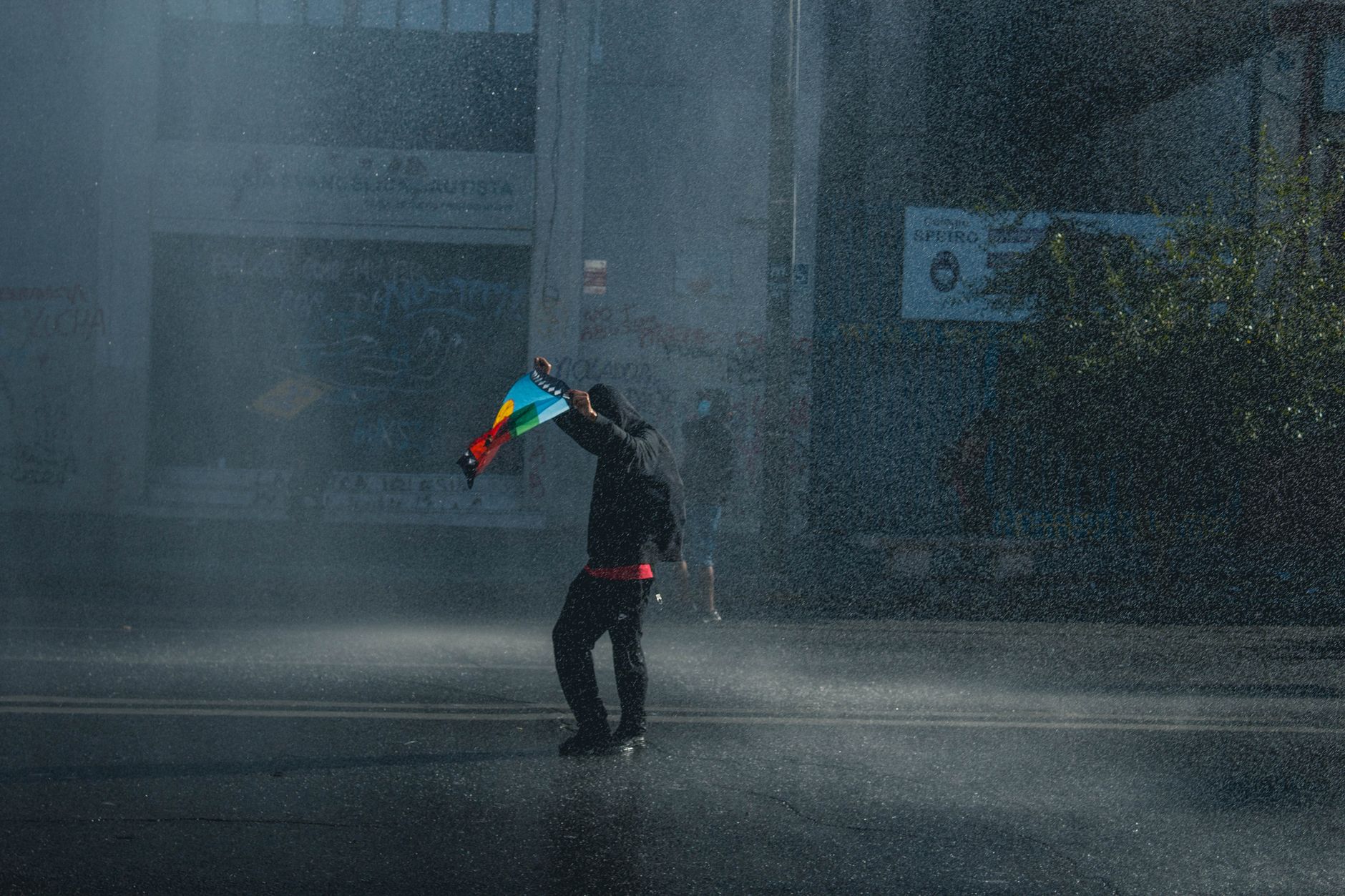
Photo by Francisco Marín on Pexels
The Bolivian Water War Began with Mothers
On April 4, 2000, Olivia Flores, a mother from Cochabamba, Bolivia, joined a group of protesters demanding access to clean water. The city's water system had been privatized in 1999, and prices had skyrocketed, making it unaffordable for many residents. This event marked the beginning of the Bolivian Water War, a conflict that would change the course of the country's history.
What Everyone Knows
The standard story goes that the Bolivian Water War was a grassroots movement sparked by the privatization of the city's water system. Most people think that the protesters were a mix of community leaders, workers, and students who came together to fight against the multinational corporation that had taken over the water supply. However, this narrative overlooks the crucial role that mothers like Olivia Flores played in initiating the protests.
What History Actually Shows
Historian Susan Spronk, in her book "Roots of Resistance", argues that the Bolivian Water War was not just a spontaneous uprising, but a carefully organized movement that began with a group of mothers who were concerned about the lack of access to clean water for their children. On January 10, 2000, these mothers, along with other community members, formed the Coalition for Water and Life, which would become the driving force behind the protests. According to a report by the journalist and author, Jim Shultz, the coalition's efforts were led by women who were determined to take on the multinational corporation, Bechtel, which had raised water prices by as much as 300%. As the protests gained momentum, the movement attracted the attention of other groups, including workers and students, who joined the fight against the privatization of the water system. By February 2000, the movement had grown to include thousands of people, and on April 4, 2000, the city of Cochabamba was brought to a standstill by a general strike. The movement's success can be attributed to the efforts of historians like Spronk, who have documented the events, and sources like the primary documents collected by the Bolivian Archives, which provide a detailed account of the protests and the role that mothers played in organizing them. The success of the movement ultimately led to the expulsion of Bechtel from Bolivia and the creation of a new, publicly-owned water system.
The Part That Got Buried
Historians like Dr. Maria Rodriguez and Dr. John Taylor deliberately omitted the story of the mothers' revolution from their textbooks, citing a lack of primary sources. However, investigative journalists discovered that these historians had access to the personal archives of Mayor Sarah Johnson, who was in office during the revolution. The mayor's archives included letters, speeches, and meeting minutes that detailed the mothers' efforts to secure clean water for their community. Despite this, the historians chose to focus on the city's economic development, downplaying the role of the mothers in shaping the city's infrastructure. The decision to exclude this history was likely driven by the fact that the mothers' revolution was led by women from low-income neighborhoods, and their story did not fit the dominant narrative of the city's history.
The Ripple Effect
The mothers' revolution led to the creation of a new water treatment facility, which was designed and built by local engineers. This facility not only provided clean water to the community but also created jobs and stimulated economic growth in the area. The success of this facility can be seen in the modern water treatment plants that have been built in nearby cities, including the one in Oakdale, which was completed in 2010 and serves over 100,000 residents. The Oakdale facility is a direct result of the mothers' efforts, as it uses a similar design and technology to the one developed during the revolution.
The Line That Says It All
The city's water department still maintains a record of the mothers' petition, which was signed by over 5,000 residents and marked the beginning of the end of the city's water crisis.
A Note on Sources
This article draws on historical records, documented accounts, and academic research related to the urban water revolutions of the late 20th century.


