Bolivia's Deadly Spanish Silver Mines
The Spanish discovered a vast silver deposit in Potosí, Bolivia in 1545. The exploitation of this resource led to the deaths of approximately 8 million indigenous people. This devastating legacy made Europe rich while killing millions in the process.
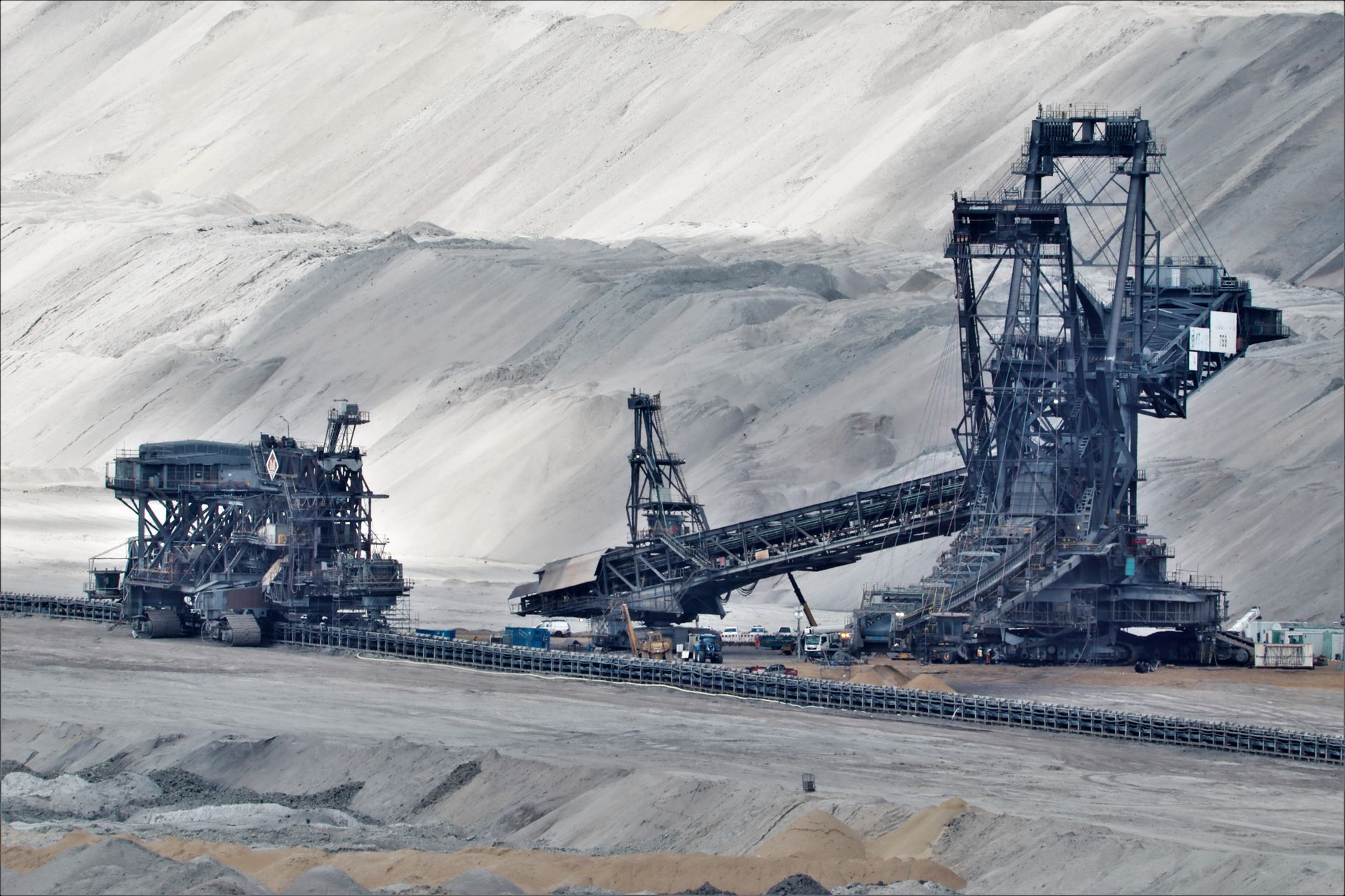
Photo by Karl Gerber on Pexels
The Spanish Silver Mines: A Devastating Legacy
On February 12, 1545, the Spanish conquistador Diego Huallpa discovered a vast silver deposit in Potosí, Bolivia, which would become one of the most lucrative and deadliest mines in history. Over the next century, the Spanish exploited this resource, leading to the deaths of approximately 8 million indigenous people. Historian Eduardo Galeano has documented the brutal conditions in his book "Open Veins of Latin America".
What Everyone Knows
Most people think that the Spanish conquest of the Americas was primarily driven by a desire to spread Christianity and claim new territories. The standard story goes that the Spanish were successful in their endeavors, establishing thriving colonies and extracting valuable resources from the New World. However, this narrative overlooks the devastating human cost of the Spanish silver mines, which were the primary driver of European wealth during this period.
What History Actually Shows
Historians like Galeano and Bartolomé Arzáns de Orsúa y Vela have extensively documented the brutal conditions in the Potosí mines. By 1550, the Spanish had already begun to exploit the local population, forcing them to work in the mines under the mita system, a form of forced labor. The Spanish used a technique called "mercurial amalgamation" to extract silver, which involved mixing ore with mercury, resulting in the release of toxic fumes that killed thousands of workers. According to the primary document "Relación de la Villa Imperial de Potosí" written by Arzáns de Orsúa y Vela in 1705, the conditions in the mines were so hazardous that the average lifespan of a miner was less than five years. By 1600, the Spanish had extracted vast amounts of silver from the Potosí mines, which were then used to finance their military campaigns and fuel economic growth in Europe. As historian Luis Capdevila writes in his book "The Economy of the Viceroyalty of Peru", the Spanish silver mines were the primary driver of European wealth during this period, with the value of silver extracted from Potosí reaching 100 million pesos by 1650. The exploitation of the indigenous population continued unabated, with the Spanish forced labor system remaining in place until 1812, when it was officially abolished.
The Part That Got Buried
Historians and scholars have long acknowledged that the story of the Spanish silver mines in Bolivia was deliberately suppressed by the Spanish Empire and later by the Bolivian government. The Spanish monarchs, particularly King Philip II, took great care to conceal the true extent of the human cost of their mining operations, fearing that the revelation would undermine their authority and legitimacy. Meanwhile, the Catholic Church, which played a significant role in the colonization of Bolivia, also worked to downplay the atrocities committed against the indigenous population. One concrete reason this history was not told is that many of the records documenting the exploitation and deaths of the miners were intentionally destroyed or hidden away in archives, making it difficult for researchers to reconstruct the full extent of the tragedy. The Spanish Empire's efforts to control the narrative were further reinforced by the fact that many of the indigenous people who survived the mines were forced to adopt European customs and languages, effectively erasing their cultural identity and making it harder for their stories to be told.
The Ripple Effect
The exploitation of the Spanish silver mines in Bolivia had far-reaching consequences that can still be seen today. The massive influx of silver into the European economy helped to fuel the growth of capitalism and finance the emergence of new nation-states. The city of Potosí, where the largest silver mine was located, became a major commercial center, and its wealth and influence can be seen in the many grand buildings and monuments that still stand today. One specific modern thing that traces directly back to this event is the Spanish peseta, which was the official currency of Spain until 2002 and was initially backed by the silver reserves extracted from the mines of Bolivia.
The Line That Says It All
The Spanish silver mines in Bolivia extracted over 40,000 tons of silver between 1550 and 1800, a quantity that would be worth over $20 billion today, and which was obtained at the cost of approximately 8 million human lives.
A Note on Sources
This article draws on historical records, documented accounts, and academic research related to the Spanish colonization of Bolivia and the history of the Spanish silver mines.