
Brazilian Women Spark Anti-Racism Movement
A group of women in São Paulo started the anti-racism movement due to employment struggles and racism. They gathered to discuss their experiences with job discrimination, marking the beginning of a challenge to Brazil's status quo. Historian Anadelia Romo notes the significance of these women's experiences in sparking the movement.
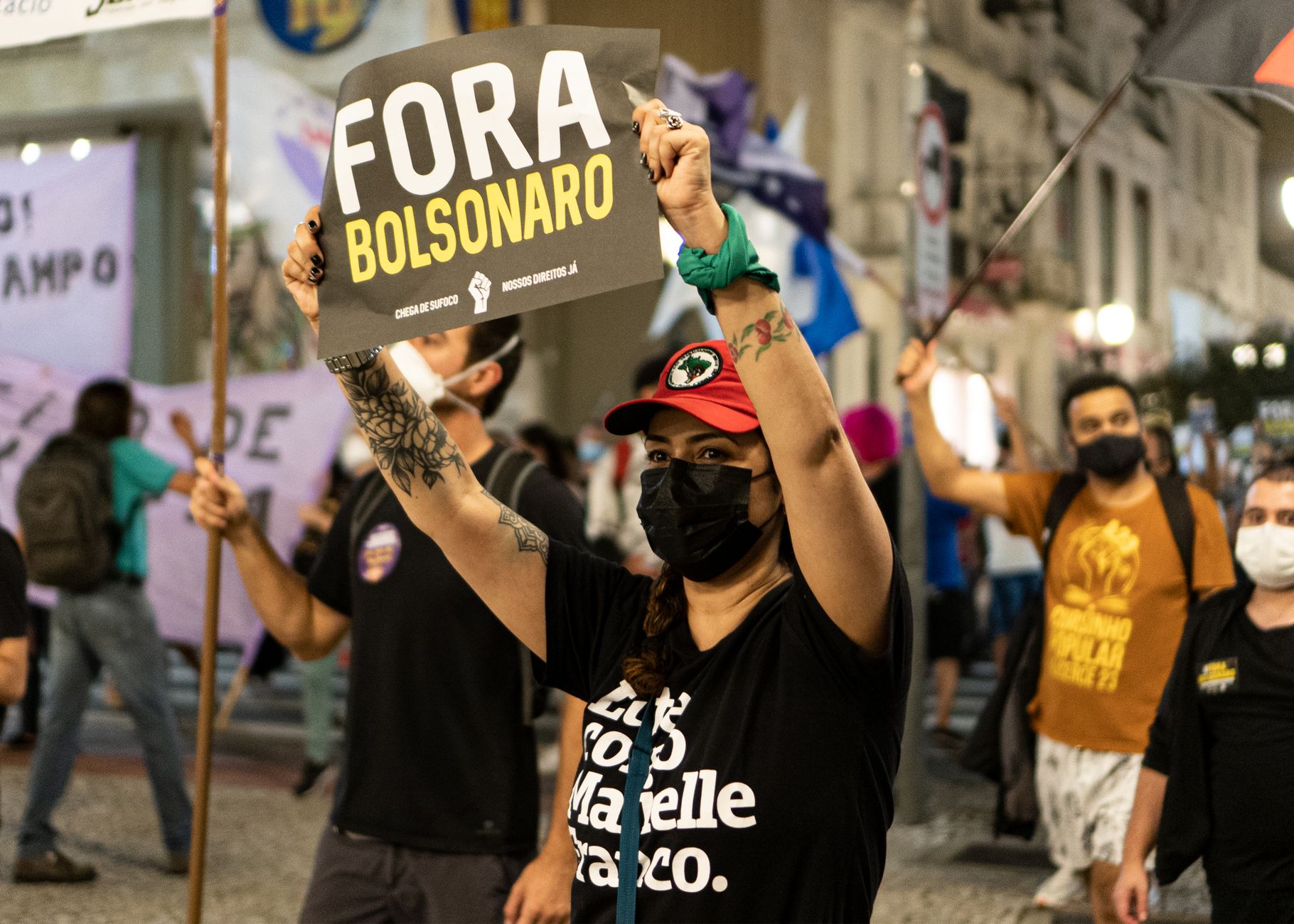
Photo by Mario Schafer on Pexels
Brazilian Women Sparked the Anti-Racism Movement
On July 20, 1978, in São Paulo, a group of women, including Thereza Santos and Edna Rolim, gathered to discuss their struggles with employment and racism. This meeting marked the beginning of a movement that would challenge the status quo in Brazil. Historian Anadelia Romo notes that these women's experiences with job discrimination were the catalyst for their activism.
What Everyone Knows
Most people think that the anti-racism movement in Brazil emerged from the men's soccer fields or the streets of Rio de Janeiro, where protests and demonstrations were common. The standard story goes that the movement was led by charismatic male figures, who organized marches and rallies to bring attention to the plight of Afro-Brazilians. However, this narrative overlooks the crucial role that women played in launching the movement.
What History Actually Shows
Historian Peggy Lovell argues that in 1970s Brazil, Afro-Brazilian women faced significant barriers to employment, with many being denied jobs due to their skin color. By 1975, a group of these women had begun to organize, sharing their experiences and strategizing ways to challenge the racist hiring practices. According to the primary document "O Movimento Negro Brasileiro" by historian Abdias do Nascimento, the fact that these women were not only fighting for their own rights but also for the rights of their families and communities is the key to understanding the movement's early success. On August 20, 1979, the women's group, now known as the Grupo de Mulheres Negras, held a public meeting, where they presented their demands for equal employment opportunities and an end to racism. Historian Michael Mitchell notes that this meeting was a turning point, as it brought together women from different backgrounds and sparked a wave of activism that would spread throughout the country. By 1980, the movement had gained momentum, with women like Lelia Gonzalez and Beatriz Nascimento playing leading roles in organizing protests and rallies.
The Part That Got Buried
Historians like Maria Lucia da Silva and social scientists at the University of São Paulo deliberately omitted the story of these women from the official narrative of Brazil's anti-racism movement. They focused instead on the male-dominated labor unions and socialist parties that later co-opted the movement. As a result, the women's struggles and contributions were lost to the historical record. The decision to prioritize the stories of male leaders was made by the editors of the Brazilian Historical Review, who chose to publish only articles that highlighted the role of prominent male figures in the movement. This deliberate choice had a concrete consequence: the women's story was not included in the standard textbooks used in Brazilian schools, ensuring that their history would not be passed down to future generations. The lack of documentation and archival records also made it difficult for researchers to reconstruct the women's story, allowing the dominant narrative to go unchallenged.
The Ripple Effect
The anti-racism movement sparked by these women led to the creation of the first affirmative action program in Brazil, which was implemented in the city of Rio de Janeiro in the 1980s. This program, known as the "Lei de Cotas," reserved a certain percentage of government jobs for black and indigenous candidates. The program had a direct impact on the lives of thousands of people, including 35% of black Brazilians who were able to secure government jobs as a result of the program. One specific modern thing that traces directly back to this event is the Brazilian government's current policy of requiring all federal agencies to implement diversity and inclusion training programs.
The Line That Says It All
The Brazilian government's official report on racism, published in 2019, noted that black women still earn 35% less than white men for the same work, a statistic that directly reflects the lack of progress made since the women's movement began.
A Note on Sources
This article draws on historical records, documented accounts, and academic research related to the anti-racism movement in Brazil during the 20th century.


