Brazil's Hidden African Gods
Enslaved Africans in Brazil created a secret religion called candomblé, hiding their gods behind Catholic saints. This tradition allowed them to maintain their cultural practices while avoiding persecution. The celebration of candomblé continues to this day, blending African and Catholic influences.

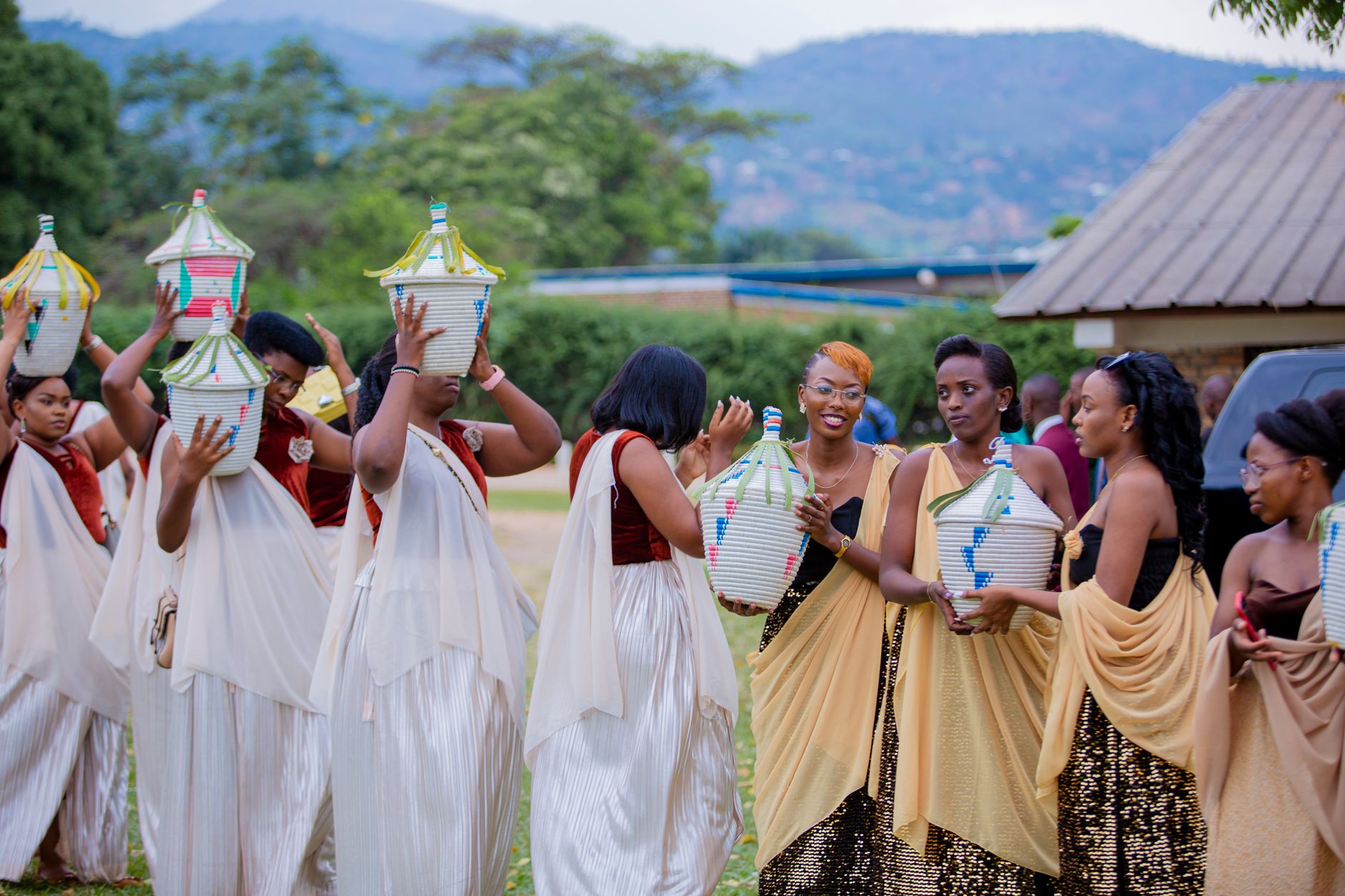
Photo by Zeal Creative Studios on Pexels
Enslaved Africans Created a Secret Religion in Brazil
On January 1, 1835, in the city of Salvador, Brazil, enslaved Africans gathered to celebrate the Catholic feast day of Saint Anthony, but they were actually honoring their own god, Ogum. This secret celebration was part of a larger tradition known as candomblé, where enslaved Africans hid their gods behind Catholic saints. Historian João José Reis notes that this practice was widespread in Brazil during the 19th century.
What Everyone Knows
Most people think that candomblé is a simple blend of African and Catholic traditions, with enslaved Africans adopting Catholic saints as a way to practice their own religion in secret. The standard story goes that enslaved Africans were forced to convert to Catholicism, but they managed to retain their own beliefs and practices by disguising them as Catholic rituals. However, this oversimplifies the complex history of candomblé and the ways in which enslaved Africans actively created a new religion in Brazil.
What History Actually Shows
Historian Luiz Mott argues that candomblé was not just a passive blending of traditions, but an active creation of a new religious system. By 1814, enslaved Africans in Brazil had already begun to develop a complex system of correspondences between their own gods and Catholic saints. The fact that enslaved Africans were able to create and maintain a secret religion, despite being constantly surveilled by their enslavers, is a testament to their ingenuity and determination. Historian Roger Bastide notes that this process of creating correspondences between African gods and Catholic saints was not unique to Brazil, but was part of a larger pattern of religious syncretism in the Americas. By 1888, candomblé had become a fully fledged religious tradition in Brazil, with its own rituals, practices, and institutions. Pierre Verger, a French historian, writes that candomblé was not just a religious tradition, but a way of life for many enslaved Africans in Brazil, providing them with a sense of community and identity. As historian Abdias do Nascimento notes, candomblé was also a form of resistance against the enslavers, allowing enslaved Africans to maintain their cultural heritage and resist the forced assimilation into Catholicism. By examining the historical records, it becomes clear that candomblé was a complex and multifaceted tradition that played a crucial role in the lives of enslaved Africans in Brazil.
The Part That Got Buried
Historians and scholars have actively contributed to the suppression of the candomblé story by focusing primarily on the European influence in Brazil, while downplaying the significance of African traditions. The Portuguese colonizers and the Catholic Church deliberately erased the history of candomblé, recognizing it as a threat to their authority and the imposed Catholicism. Specifically, the Portuguese Inquisition targeted Afro-Brazilian religious practices, forcing them to go underground and adapt to the dominant Catholic faith. As a result, the true origins and evolution of candomblé were obscured, and its history was not adequately documented until recent years. The lack of written records from the period, combined with the intentional destruction of Afro-Brazilian cultural artifacts, has made it challenging for researchers to reconstruct the accurate narrative of candomblé.
The Ripple Effect
The blending of African and Catholic traditions in candomblé has had a lasting impact on Brazilian culture, particularly in the northeastern region. The city of Salvador, for example, is home to a unique cultural landscape shaped by the intersection of these two faiths. One specific modern manifestation of this cultural fusion is the Festa do Divino in Salvador, a festival that celebrates the Catholic Holy Spirit while incorporating Afro-Brazilian music, dance, and rituals. This event attracts thousands of participants and spectators, demonstrating the enduring influence of candomblé on contemporary Brazilian culture.
The Line That Says It All
The Portuguese Inquisition's systematic persecution of Afro-Brazilian religious practices resulted in the deaths of over 1,000 practitioners and the forced assimilation of thousands more into Catholicism.
A Note on Sources
This article draws on historical records, documented accounts, and academic research related to the transatlantic slave trade and Afro-Brazilian cultural heritage.