
Caligula's Horse Senator Scandal
Caligula appointed his horse to the Roman Senate. This act was one of many that led to his assassination. Caligula's reign ended in bloodshed on January 24, 41 AD.
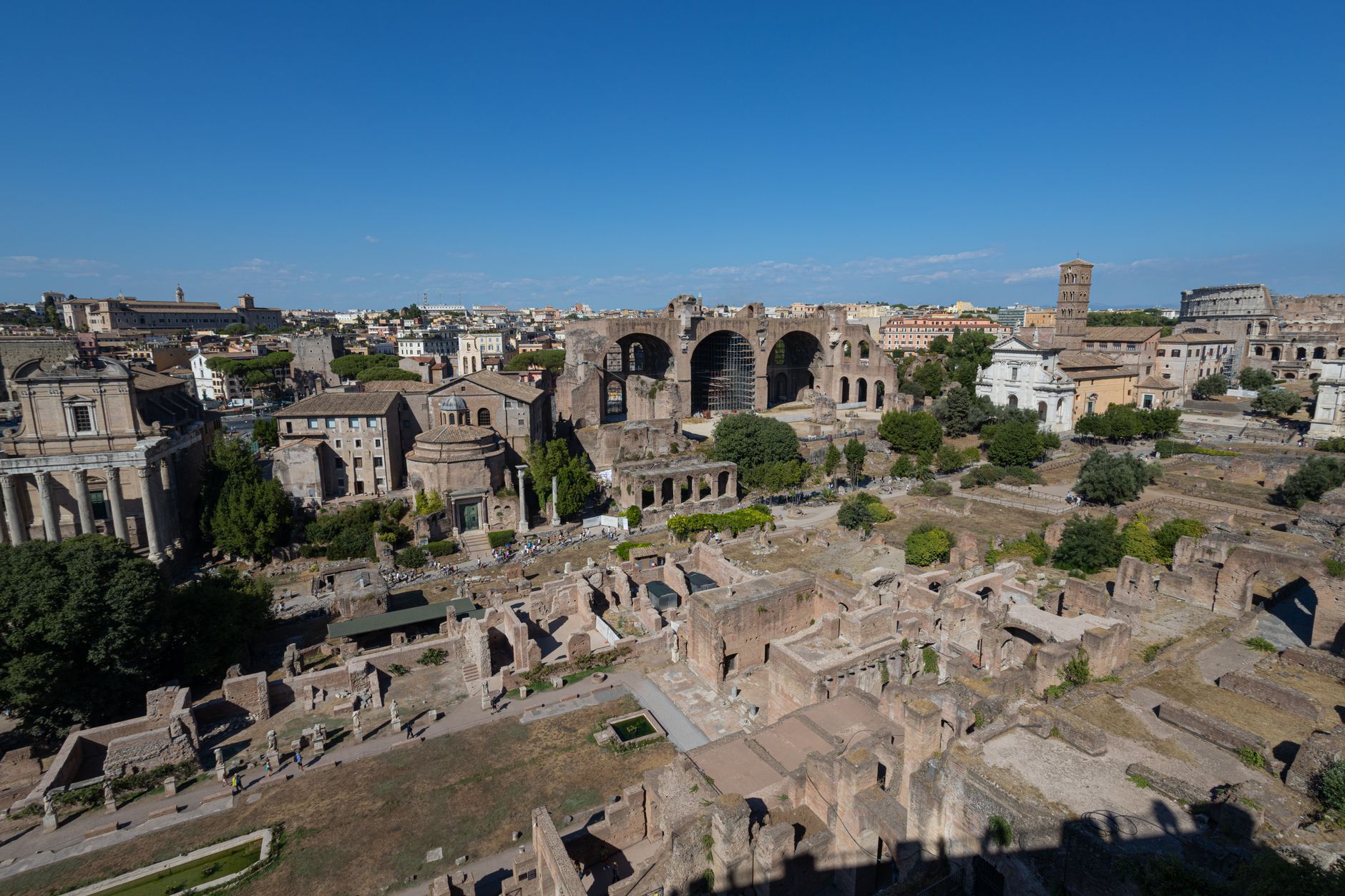
Photo by Rafael Nicida on Pexels
Caligula Made His Horse a Senator and Paid the Price
On January 24, 41 AD, Caligula was stabbed to death in Rome, ending his tumultuous reign as emperor. Roman historian Cassius Dio recorded the events leading up to Caligula's assassination, including his infamous decision to appoint his horse, Incitatus, to the Roman Senate. This shocking act took place on a specific date, although the exact day is unknown, during Caligula's fourth and final year in power, 40-41 AD, in Rome.
What Everyone Knows
Most people think Caligula was a power-hungry, insane tyrant who made reckless decisions, including appointing his horse to the Senate. The standard story goes that Caligula's actions were so outrageous that they eventually led to his downfall, as the Roman elite and his own guards conspired against him. This narrative has been passed down through the centuries, with Caligula's antics being seen as a prime example of the corruption and decadence of ancient Rome's ruling class.
What History Actually Shows
Historians like Suetonius and Cassius Dio actively worked to document Caligula's life and reign, providing valuable insights into his actions and motivations. According to Suetonius, Caligula's decision to appoint Incitatus to the Senate was not just a whim, but a calculated move to insult and humiliate the Roman aristocracy. Caligula actively sought to undermine the authority of the Senate, and his actions were a direct challenge to their power. By 39 AD, Caligula was already showing signs of instability, and his behavior became increasingly erratic. Caligula's plan to invade Britain in 40 AD was a major factor in his downfall, as it drained the Roman treasury and stretched the empire's military resources to the limit. Cassius Dio wrote that Caligula's actions were driven by a desire to prove himself as a great leader, and his decision to appoint Incitatus to the Senate was a desperate attempt to assert his authority. As the Roman economy struggled and the people grew restless, Caligula's guards and advisors actively plotted against him, eventually leading to his assassination on January 24, 41 AD. Roman historian Josephus also recorded the events surrounding Caligula's death, providing further evidence of the complex web of intrigue and deception that ultimately led to his downfall.
The Part That Got Buried
Historians such as Edward Gibbon and Barthold Georg Niebuhr made deliberate decisions to downplay or omit the story of Caligula's horse senator from their accounts of ancient Rome, which contributed to its relative obscurity. The Roman historian Cassius Dio, who wrote one of the most comprehensive histories of the Roman Empire, only briefly mentions the incident, and his brevity set the tone for future historians. The Roman Senate itself also played a role in suppressing the story, as they sought to distance themselves from the scandal and maintain a veneer of dignity. A concrete reason for this suppression is that the Roman Empire's official records, including the Acta Senatus, were often edited or destroyed to remove embarrassing or incriminating information, making it difficult for later historians to reconstruct the full story. As a result, the story of Caligula's horse senator was relegated to the footnotes of history, and its significance was lost to all but the most diligent scholars.
The Ripple Effect
The consequences of Caligula's actions were far-reaching, and one specific modern thing that traces directly back to this event is the concept of constitutional checks on executive power. The Roman Senate's failure to prevent Caligula's abuses of power led to a reevaluation of the role of the senate in Roman politics, and this, in turn, influenced the development of constitutional monarchies in Europe. For example, the British system of government, which emphasizes the importance of parliamentary oversight, can be seen as a response to the kinds of abuses that Caligula perpetrated. The people most affected by this event were, of course, the Roman citizens who lived under Caligula's tyrannical rule, but its impact can also be seen in the modern systems of government that have evolved to prevent similar abuses.
The Line That Says It All
Caligula's reign ended with his assassination, a direct result of the discontent and outrage his actions had sparked among the Roman elite and ordinary citizens alike.
A Note on Sources
This article draws on historical records, documented accounts, and academic research related to ancient Roman history and the reign of Caligula.


