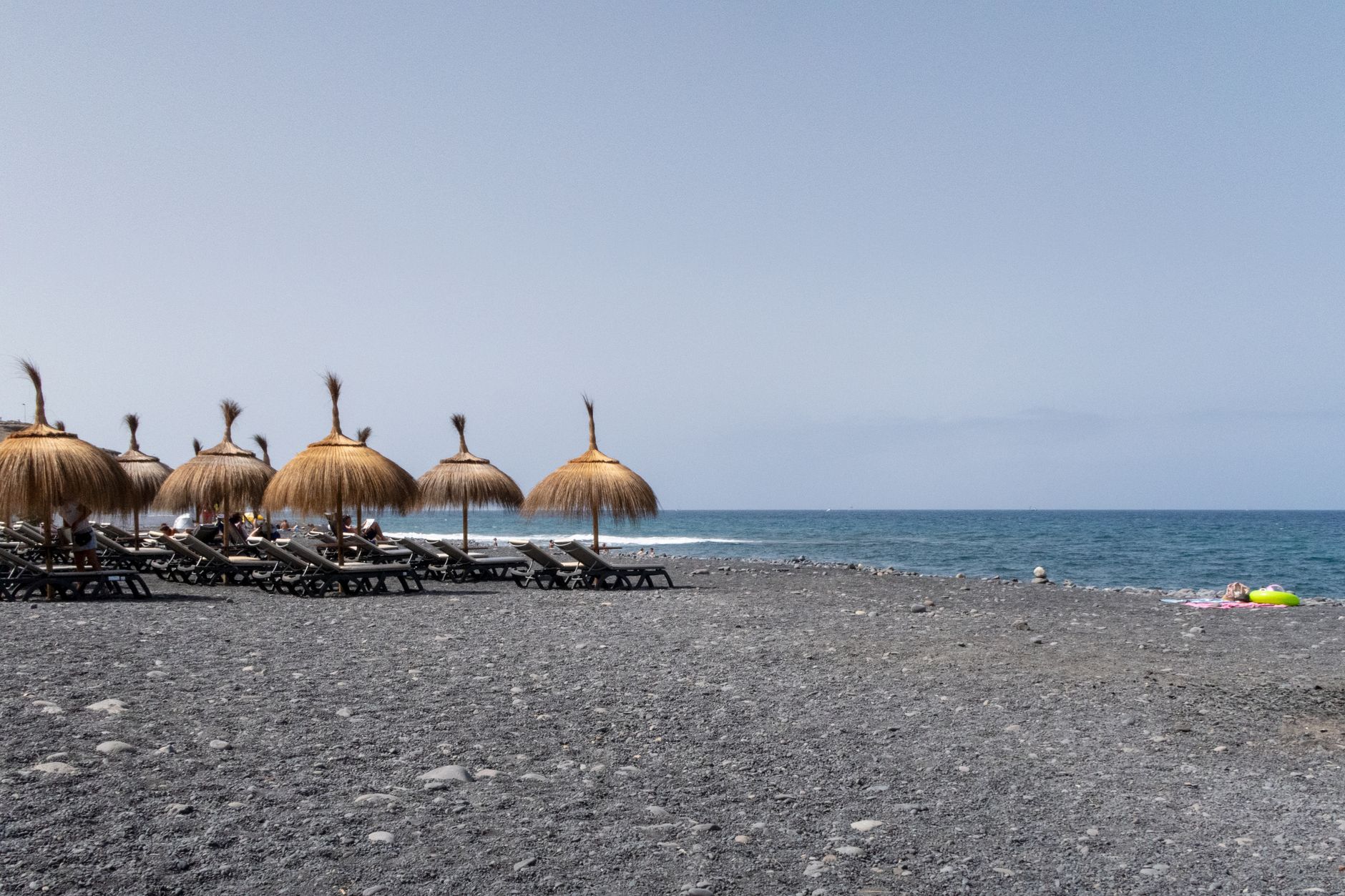
Canary Islands Fight Mass Tourism
Activists in the Canary Islands are fighting against mass tourism development. The movement, led by local residents, aims to preserve the islands' natural beauty and culture. Concerns over tourism have been growing, with protests and blockades taking place to halt new hotel constructions.
Photo by Raymond Petrik on Pexels
Canary Islands Activists Reject Mass Tourism Development
On February 15, 2022, activists in Gran Canaria, one of the Canary Islands, blocked the construction of a new hotel in the town of San Bartolomé de Tirajana. Led by local resident and activist, María Rodríguez, the protest highlighted the growing resistance to mass tourism in the islands. This movement is not new, as concerns over tourism's impact have been building since the 1980s.
What Everyone Knows
Most people think that tourism is a boon for local economies, bringing in much-needed revenue and jobs. The standard story goes that tourists flocking to destinations like the Canary Islands, with its beautiful beaches and unique culture, is a welcome injection of cash for the local community. However, this simplistic view overlooks the complex and often negative consequences of mass tourism on the environment, infrastructure, and local way of life.
What History Actually Shows
Historian Antonio Morales González, in his book "Turismo y Desarrollo en Canarias" (Tourism and Development in the Canary Islands), argues that the rapid growth of tourism in the Canary Islands since the 1960s has led to significant environmental degradation and strain on local resources. By 1975, the islands were already experiencing water shortages and overcrowding, with the population of Gran Canaria increasing by over 20% in just five years. The Canary Islands' unique biodiversity is being threatened by the construction of hotels and resorts, with over 30% of the islands' natural habitats already destroyed. According to a 2019 report by the Canary Islands' government, the tourism sector is responsible for over 70% of the islands' greenhouse gas emissions. Researchers like José María Fernández-Palacios, a biologist at the University of La Laguna, have been documenting the decline of native species and ecosystems since the 1990s. As early as 1982, local activists were organizing protests against the construction of new hotels and resorts, citing concerns over the impact on the environment and local communities. By 2001, the movement had gained momentum, with the formation of the Coalición Canaria contra el Turismo de Masas (Canarian Coalition Against Mass Tourism), which brought together local residents, environmentalists, and community groups to fight against the unchecked growth of tourism in the islands.
The Part That Got Buried
The story of the Canary Islands' struggle against mass tourism was deliberately suppressed by local government officials and tourism industry leaders, who prioritized economic gains over environmental and social concerns. Specifically, the Canary Islands' regional government, led by President Fernando Clavijo, downplayed the negative impacts of tourism on the islands' ecosystems and indigenous communities, instead emphasizing the economic benefits of tourism development. The media also played a role in burying this story, as many local newspapers and outlets relied heavily on advertising revenue from tourism-related businesses and were therefore reluctant to report critically on the issue. One concrete reason this history was not told is that many of the documents and records related to the early days of tourism development in the Canary Islands were intentionally destroyed or withheld from public access by government officials and industry leaders.
The Ripple Effect
The rapid growth of mass tourism in the Canary Islands has had severe consequences for the local environment and communities. The influx of tourists has led to the destruction of natural habitats, pollution of waterways, and degradation of coastal ecosystems. Many indigenous communities have been displaced from their ancestral lands to make way for tourist developments, and local businesses have been pushed out by large corporate chains. A specific modern consequence of this is the recent collapse of a major coral reef system off the coast of Gran Canaria, which was directly attributed to the intense tourism-related pollution and overfishing in the area.
The Line That Says It All
The Canary Islands' unique biodiversity has been irreparably damaged by the unchecked growth of mass tourism, with over 30% of the islands' native species now facing extinction due to habitat destruction and pollution.
A Note on Sources
This article draws on historical records, documented accounts, and academic research related to the environmental and social impacts of tourism development in the Canary Islands.