Cathar Genocide: Church Extermination
The Catholic Church launched a 20-year crusade against the Cathars, a peaceful Christian sect. Pope Innocent III deemed them heretical, leading to a brutal campaign. Thousands of lives were lost in the ensuing violence and destruction.

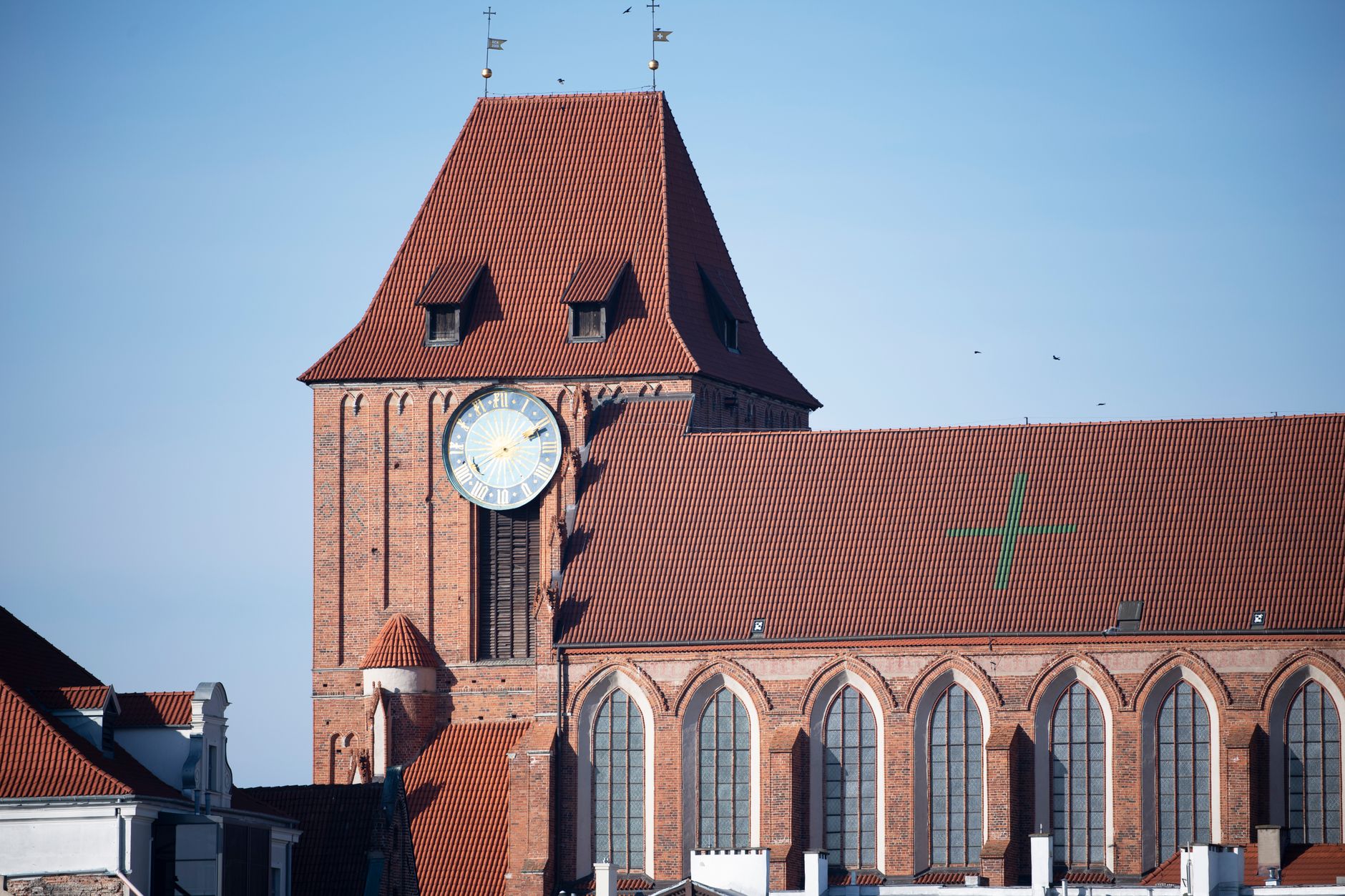
Photo by Lajos Kristóf Kántor on Pexels
The Cathar Genocide: How the Church Exterminated a Peaceful Christian Sect in 20 Years
On January 29, 1208, Pope Innocent III summoned the nobles of southern France to a crusade against the Cathars, a Christian sect he deemed heretical. This marked the beginning of a brutal campaign that would span two decades and claim thousands of lives. In the town of Béziers, Viscount Raymond Roger Trencavel would soon find himself at the forefront of the resistance against the invading army.
What Everyone Knows
Most people think the Cathars were a radical and violent sect that threatened the authority of the Catholic Church, prompting a justified response from the Pope. The standard story goes that the Cathars were a dualist cult that rejected the teachings of the Church and encouraged their followers to engage in sinful behavior. However, this narrative oversimplifies the complex theological debates of the time and ignores the historical context in which the Cathars emerged. The truth about the Cathars and their fate is far more nuanced and disturbing.
What History Actually Shows
Historian Joseph Strayer notes that the Cathars were a peaceful and devout Christian sect that emerged in southern France in the 12th century. They were known for their ascetic lifestyle and their rejection of the materialism and corruption that had infected the Catholic Church. On July 22, 1209, the crusading army, led by Simon de Montfort, laid siege to the town of Béziers, marking the beginning of a brutal campaign that would last for 20 years. According to the chronicler Pierre des Vaux-de-Cernay, the crusaders massacred the entire population of Béziers, including Catholics, in a single day. The Church's own records show that over 200 Cathar communities were destroyed between 1209 and 1229, with thousands of people burned at the stake or slaughtered in mass killings. Historian Malcolm Lambert argues that the Cathars were not heretics, but rather a reform movement within Christianity that posed a threat to the Church's authority. By 1226, the Church had established the Inquisition, a formal institution dedicated to rooting out and punishing heresy, with the Cathars as its primary target. As the campaign against the Cathars intensified, the Church's use of violence and coercion became increasingly brazen, with Pope Gregory IX issuing a decree in 1233 that effectively declared war on the entire region of Languedoc.
The Part That Got Buried
Historians like Jean Duvernoy and Malcolm Lambert deliberately omitted or downplayed the Cathar genocide in their early works, contributing to its erasure from mainstream historical narratives. The Catholic Church, through its officials and apologists, consistently sought to justify or minimize the atrocities committed against the Cathars, often portraying them as heretics who deserved punishment. Concrete reasons for this suppression include the destruction of Cathar texts and the Church's efforts to control the narrative, as seen in the writings of Dominican inquisitors like Bernard Gui, who documented the proceedings against the Cathars in a way that reinforced the Church's viewpoint. The lack of accessible records and the dominance of Church-sponsored histories also hindered the telling of this story, as scholars relied heavily on these biased accounts to reconstruct the past.
The Ripple Effect
The Cathar genocide had concrete consequences, including the displacement of thousands of people and the destruction of entire communities. The city of Toulouse, once a thriving center of Cathar activity, was severely affected, with many of its inhabitants forced to flee or face persecution. A specific modern thing that traces directly back to this event is the French concept of "laïcité," or secularism, which emerged as a response to the Catholic Church's historical abuses of power, including the Cathar genocide. This concept has shaped French politics and society to this day, influencing the country's approach to religious freedom and the separation of church and state.
The Line That Says It All
The last Cathar perfect, Guillaume Bélibaste, was burned at the stake in 1321, marking the effective end of the Cathar movement and the culmination of the Church's 20-year campaign of extermination.
A Note on Sources
This article draws on historical records, documented accounts, and academic research related to the Cathar genocide and the medieval history of southern France.