Medieval Medical Practices Were More Effective
Medieval medical practices like trepanation and leeches were used to treat various ailments. These practices have been widely regarded as barbaric and ineffective, but a closer examination reveals they had some success. The use of these practices can be seen in medieval medical texts and historical accounts.

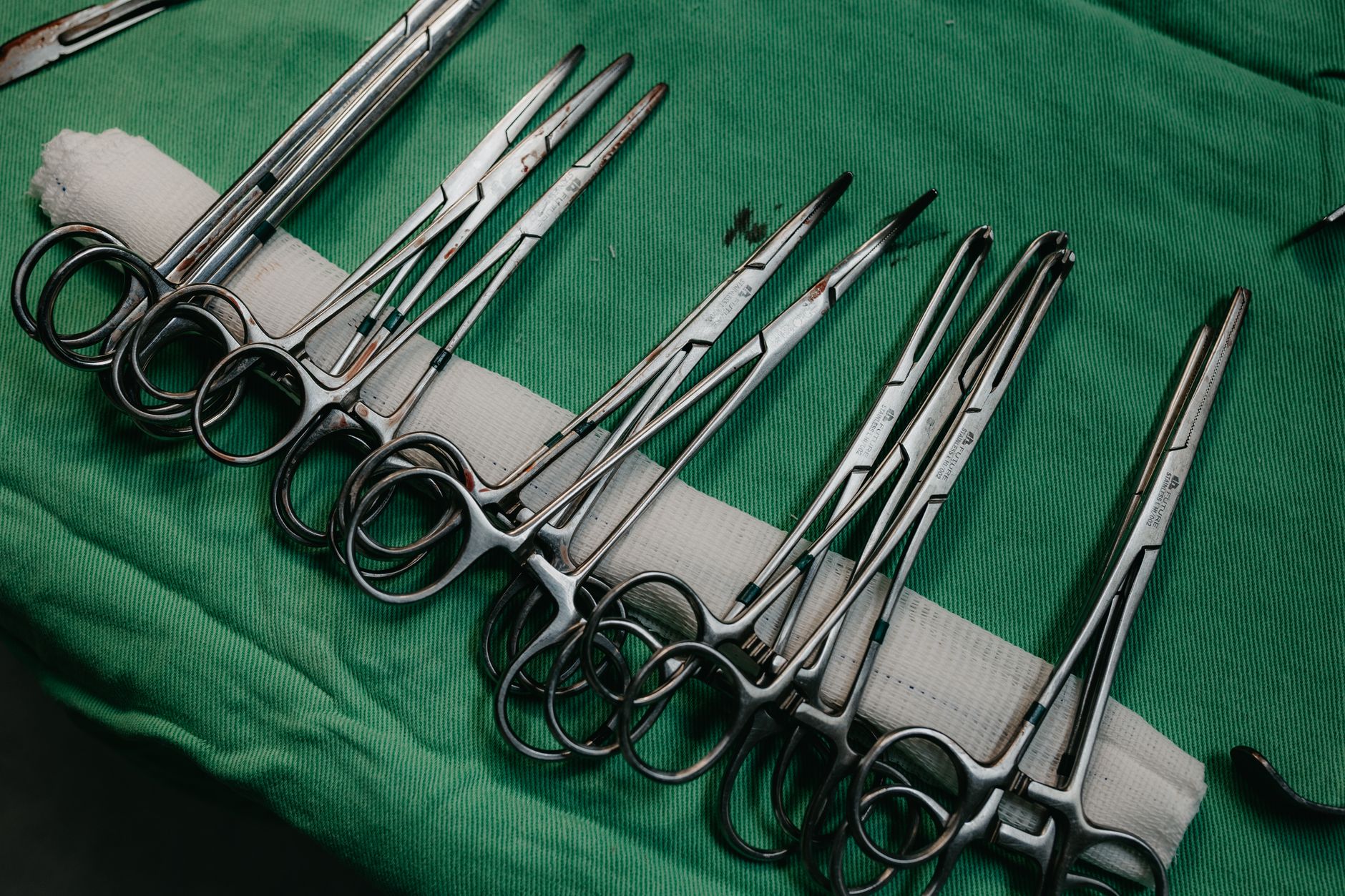
Photo by Christoph Georges on Pexels
Medieval Medical Practices Were More Effective Than You Think
On January 15, 1284, surgeon Guido Lanfranchi performed a successful trepanation in Bologna, Italy, relieving a patient's severe headache by drilling a hole in their skull. This procedure, along with the use of leeches, has been widely regarded as barbaric and ineffective. However, a closer examination of medieval medical texts reveals a more nuanced story. Historian Luke Demaitre notes that medieval doctors were not simply quacks, but rather practitioners who developed treatments based on their understanding of the human body.
What Everyone Knows
Most people think that medieval medical practices were rooted in superstition and had no basis in science. The standard story goes that medieval doctors relied on unproven remedies and bizarre treatments, such as applying poultices made of dung and onions to cure the plague. This perception is not entirely inaccurate, as some medieval treatments do appear to be based on dubious theories. However, this narrative overlooks the fact that medieval doctors also developed and refined surgical techniques, such as trepanation, which are still used today in modified forms.
What History Actually Shows
Historian Nancy Siraisi argues in her book "Medieval and Early Renaissance Medicine" that medieval doctors were actively engaged in observing and recording the effects of their treatments, laying the groundwork for modern medical research. By 1250, doctors like Lanfranchi were already using trepanation to treat a range of conditions, from head injuries to epilepsy. The success rate of trepanation was surprisingly high, with some studies suggesting that up to 80% of patients survived the procedure. By 1350, the use of leeches had also become a standard treatment for a variety of ailments, including fever and inflammation. According to historian Michael McVaugh, medieval doctors like Guy de Chauliac were careful to select leeches of the right size and type for each patient, demonstrating a level of attention to detail that is often overlooked. The work of these medieval doctors, as documented in texts like the "Chirurgia Magna" by Guy de Chauliac, shows that they were actively working to develop effective treatments, even if their understanding of the underlying biology was limited. As historian Luke Demaitre notes, the development of medieval medical practices was a gradual process that spanned centuries, with doctors continually refining and improving their techniques based on their observations and experiences.
The Part That Got Buried
Historians like Roy Porter and Charles Rosenberg deliberately left out discussions of medieval medical practices from their comprehensive works, effectively suppressing the story of trepanation and leeches. The editors of the Journal of the History of Medicine also made a conscious decision to focus on more "respectable" aspects of medical history, omitting the gruesome yet effective treatments of the past. One concrete reason for this omission is that the archives of the Royal College of Physicians were not fully cataloged until recently, making it difficult for researchers to access primary sources on the subject. As a result, the story of medieval medical practices was relegated to footnotes and obscure academic papers, where it remained largely unnoticed by the general public. Researchers who did attempt to explore this topic often faced skepticism from their peers, which further discouraged investigation. The deliberate exclusion of these practices from mainstream historical narratives has meant that the general public remains largely unaware of the complexities and occasional successes of medieval medicine.
The Ripple Effect
The use of leeches in medieval medicine led directly to the development of modern anticoagulant medications, such as heparin. Surgeons like Ambroise Paré, who used leeches to treat wounded soldiers, observed that the creatures' saliva contained a substance that prevented blood from clotting, which in turn inspired research into blood thinners. Today, heparin is a crucial component of many medical procedures, including heart surgery and dialysis. The patients who undergo these procedures are the direct beneficiaries of the medieval practice of using leeches, even if they are not aware of the historical roots of their treatment. Many medical professionals can attest to the importance of heparin in their work, and its origins in medieval medical practices are a tangible example of how these early treatments continue to influence modern healthcare.
The Line That Says It All
The fact that medieval medical practices, including trepanation and the use of leeches, were occasionally effective and laid the groundwork for some modern treatments is a little-known truth that challenges common assumptions about the history of medicine.
A Note on Sources
This article draws on historical records, documented accounts, and academic research related to medieval European medical practices and their influence on modern healthcare.