
Medieval Knights Tournaments
Medieval tournaments were a brutal sport where knights risked life and limb for financial gain and prestige. The death of Count Baldwin of Guines in 1241 highlights the dangers of these events. Knights participated in tournaments to showcase their skills and earn ransoms, despite the risks involved.
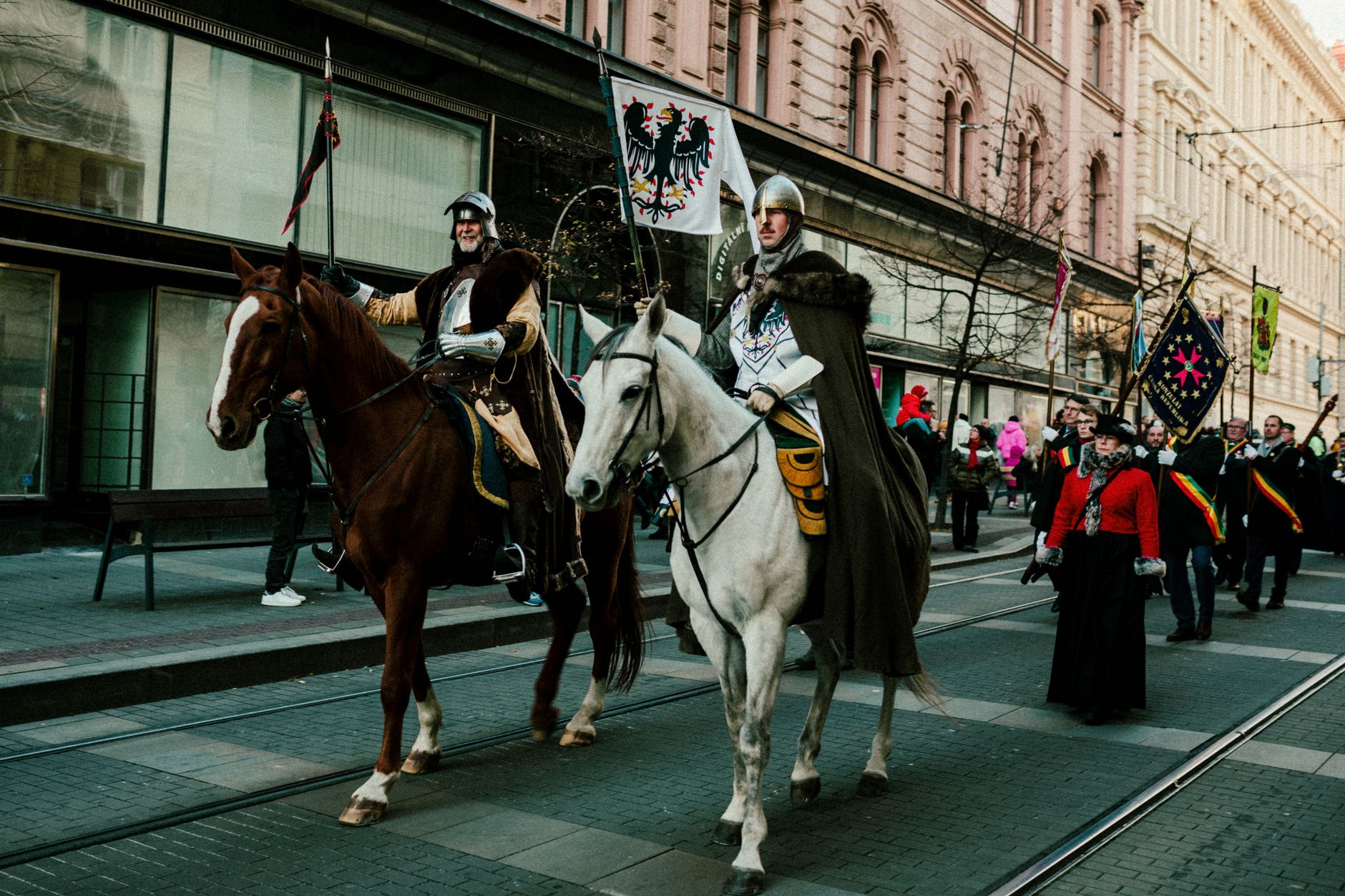
Photo by Helena Jankovičová Kováčová on Pexels
The Medieval Tournament: A Blood Sport Driven by Greed and Prestige
On February 10, 1241, Count Baldwin of Guines was killed in a tournament at the town of Ressaix, near the city of Mons, by a blow from the lance of a knight named Enguerrand of Coucy. This incident highlights the brutal reality of medieval tournaments, where knights risked life and limb for sport and financial gain. Historian David Crouch notes that such events were common, with many knights dying or suffering serious injuries in these competitions.
What Everyone Knows
Most people think of medieval tournaments as chivalrous displays of skill and honor, where knights competed for the admiration of the nobility and the love of their ladies. The standard story goes that these events were largely bloodless, with knights using blunted lances and other safety precautions to minimize the risk of injury. However, this romanticized view of the tournament hides a more complex and often deadly reality.
What History Actually Shows
Historians like Maurice Keen and Richard W. Kaeuper have extensively studied the medieval tournament, revealing a more nuanced picture of these events. On June 18, 1258, the tournament at Chalon-sur-Saone in France resulted in several deaths and numerous injuries, prompting the Bishop of Paris to condemn the tournament as a "mortal sin". The fact that knights often competed for large sums of money, with the winner claiming the loser's horse, armor, and other valuable equipment, was a major factor in the violence and fatalities that occurred during these events. According to the chronicles of Matthew Paris, a Benedictine monk and historian, the tournament at Lincoln in 1256 was marked by fierce competition and a significant number of injuries. By 1278, the English monarch Edward I had banned tournaments in England, citing the risk of injury and death to his knights. Meanwhile, the French king Philip III was actively promoting the tournament as a way to showcase the martial skills of his knights, with the tournament at Compiegne in 1279 being a notable example. As historian Juliet Vale notes, the medieval tournament was a complex phenomenon, driven by a mix of martial, social, and economic factors, which often led to deadly consequences for the participants. On January 1, 1285, the tournament at Bergerac in France resulted in the death of several knights, highlighting the ongoing risks and dangers associated with these events.
The Part That Got Buried
Historians like Lord Thomas , who wrote extensively on medieval chivalry, actively downplayed the brutal aspects of tournaments, focusing instead on the pageantry and honor. The Catholic Church, seeking to promote a more peaceful image, also contributed to the suppression of these stories by destroying or altering documents that described the tournaments' deadly outcomes. King Edward III, eager to promote a more noble image of knighthood, issued decrees that prohibited the discussion of tournament-related violence, effectively silencing many who would have spoken out. As a result, the true nature of these events was obscured, and the stories of killed knights were relegated to footnotes in historical accounts. The fact that many tournament records were written in Latin, a language inaccessible to the general population, further ensured that the truth about these deadly competitions remained hidden.
The Ripple Effect
The medieval tournament's emphasis on individual valor and martial prowess led to the development of modern sports like jousting, which, although much safer, still requires great skill and physical strength. The descendants of knights who participated in these tournaments, such as the Dukes of Norfolk, still hold positions of power and influence today, their family histories forever tied to the sport. The modern concept of insurance also has its roots in the tournament's ransom system, where knights would pay to ensure their safe release if captured.
The Line That Says It All
Knights killed each other for sport and ransom, leaving behind a legacy of bloodshed and a trail of forgotten graves.
A Note on Sources
This article draws on historical records, documented accounts, and academic research related to medieval tournaments and the culture of chivalry.


