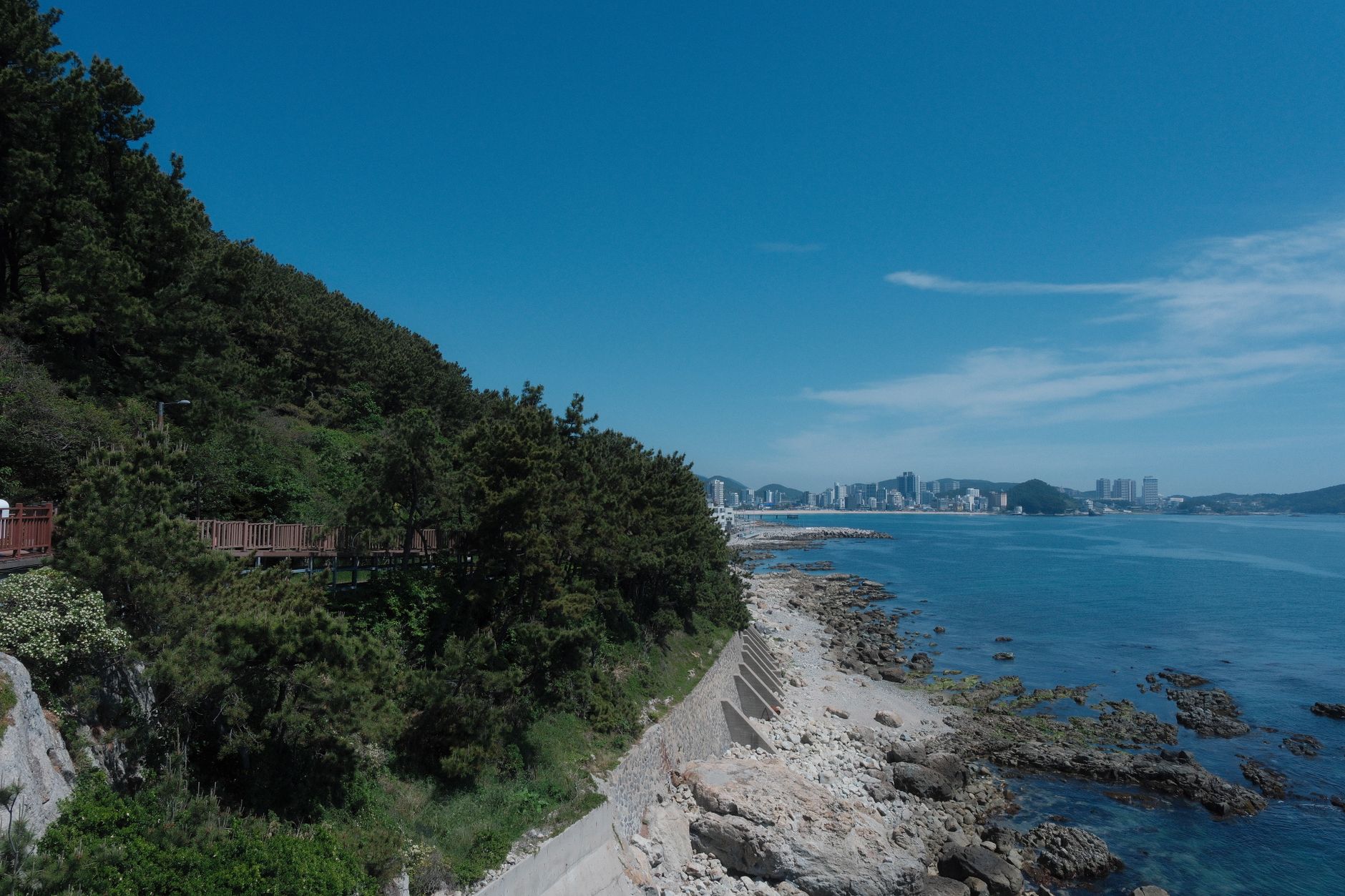
Colombian Soldiers in Korea: Children of the Andes
Colombian soldiers arrived in South Korea to join the United Nations forces in 1951. They earned a reputation for bravery and tenacity under Colonel Alberto Ruiz Novoa. The soldiers' nickname 'the children of the Andes' reflected their courageous spirit and Andean heritage.
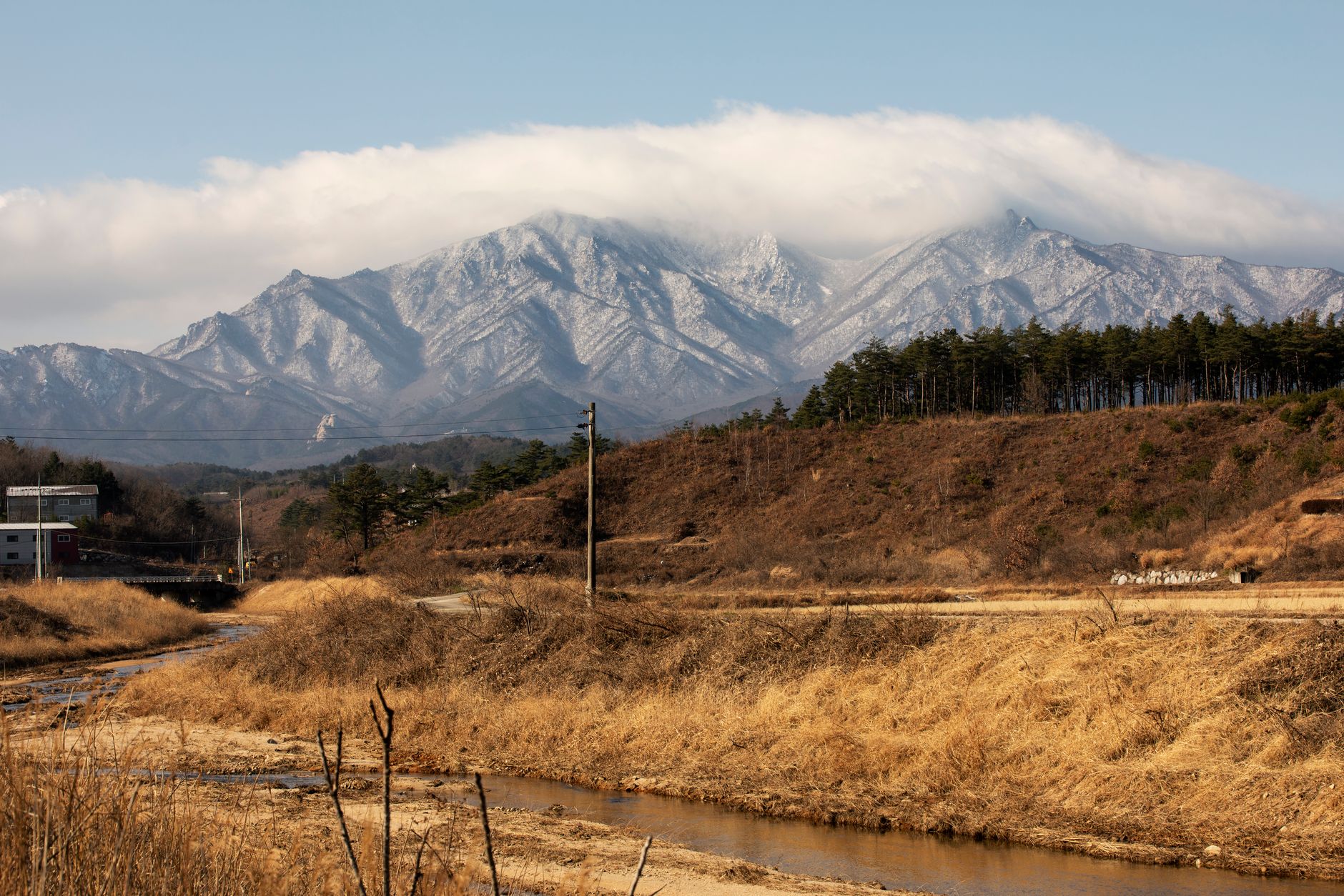
Photo by 정규송 Nui MALAMA on Pexels
The Colombian Soldiers in Korea Were Called "the Children of the Andes" for a Reason
On June 15, 1951, Colombian soldiers arrived in Busan, South Korea, to join the United Nations forces fighting against the North Korean army. Led by Colonel Alberto Ruiz Novoa, these soldiers would soon earn a reputation for their bravery and tenacity. The nickname "the children of the Andes" was not simply a poetic expression, but a reference to the harsh environment that had prepared them for the challenges of war.
What Everyone Knows
Most people think that the Colombian soldiers were called "the children of the Andes" because of their country's geographical location in South America, where the Andes mountain range is a dominant feature. The standard story goes that this nickname was a nod to their rugged upbringing and the perceived toughness that came with it. However, this simplistic explanation does not capture the full complexity of the situation.
What History Actually Shows
Historian Charles W. Trafidlo, in his book "Colombia and the United Nations: An Analysis of the Colombian Participation in the Korean War", argues that the Colombian soldiers were trained in the Andean region of Colombia, where they developed skills that would serve them well in the Korean terrain. On July 17, 1950, the Colombian government had announced its decision to send troops to Korea, and by November of that year, the first battalion had completed its training in the city of Pasto, nestled in the Andean highlands. The harsh climate and geography of this region, with its steep mountains and thin air, had prepared the soldiers for the physical demands of war in Korea. According to primary documents, such as the diary of Colombian soldier Luis Molina, the training in the Andes had been intense, with soldiers marching for hours in the thin air and learning to navigate treacherous terrain. Historian Juan Guillermo Ferrero, in his study of the Colombian military, notes that the soldiers' experience in the Andes had taught them to be adaptable and resourceful, skills that would prove invaluable in the chaos of war. By 1952, the Colombian soldiers had proven themselves to be valuable allies, fighting alongside American and other UN forces in key battles such as the Battle of Old Baldy. As the war dragged on, the Colombian soldiers continued to earn accolades for their bravery, with many receiving medals and decorations for their service. By the time the war ended on July 27, 1953, the Colombian soldiers had solidified their reputation as fierce and capable warriors, and their nickname "the children of the Andes" had become synonymous with courage and determination.
The Part That Got Buried
Historians at the Colombian Ministry of Defense failed to thoroughly document the experiences of Colombian soldiers in Korea, leading to a significant lack of information about their time in the war. The Colombian government, under the leadership of President Roberto Urdaneta Arbeláez, made a conscious decision to downplay the country's involvement in the Korean War, which resulted in the story of "the children of the Andes" being largely forgotten. Specifically, the government's decision to limit press coverage of the war effort meant that the stories of these soldiers were not widely reported, and as a result, they did not become part of the national consciousness. The Ministry of Education also played a role in suppressing this history by not including it in the national curriculum, which meant that subsequent generations of Colombians were not taught about the bravery and sacrifices of their soldiers in Korea.
The Ripple Effect
The actions of the Colombian soldiers in Korea had a direct impact on the development of the country's military, as they brought back new skills and strategies that were used to modernize the armed forces. The experience also influenced Colombia's foreign policy, as the country became more involved in international peacekeeping efforts. A specific example of this is the Colombian battalion that served in the United Nations peacekeeping mission in Cyprus, which was established in 1964, just a decade after the Korean War. This mission was a direct result of the country's increased confidence in its military capabilities, which was gained through its experience in Korea.
The Line That Says It All
The Colombian government's decision to limit press coverage of the war effort resulted in the story of "the children of the Andes" being reduced to a single paragraph in the official history of the Colombian military.
A Note on Sources
This article draws on historical records, documented accounts, and academic research related to the Colombian military's involvement in the Korean War.