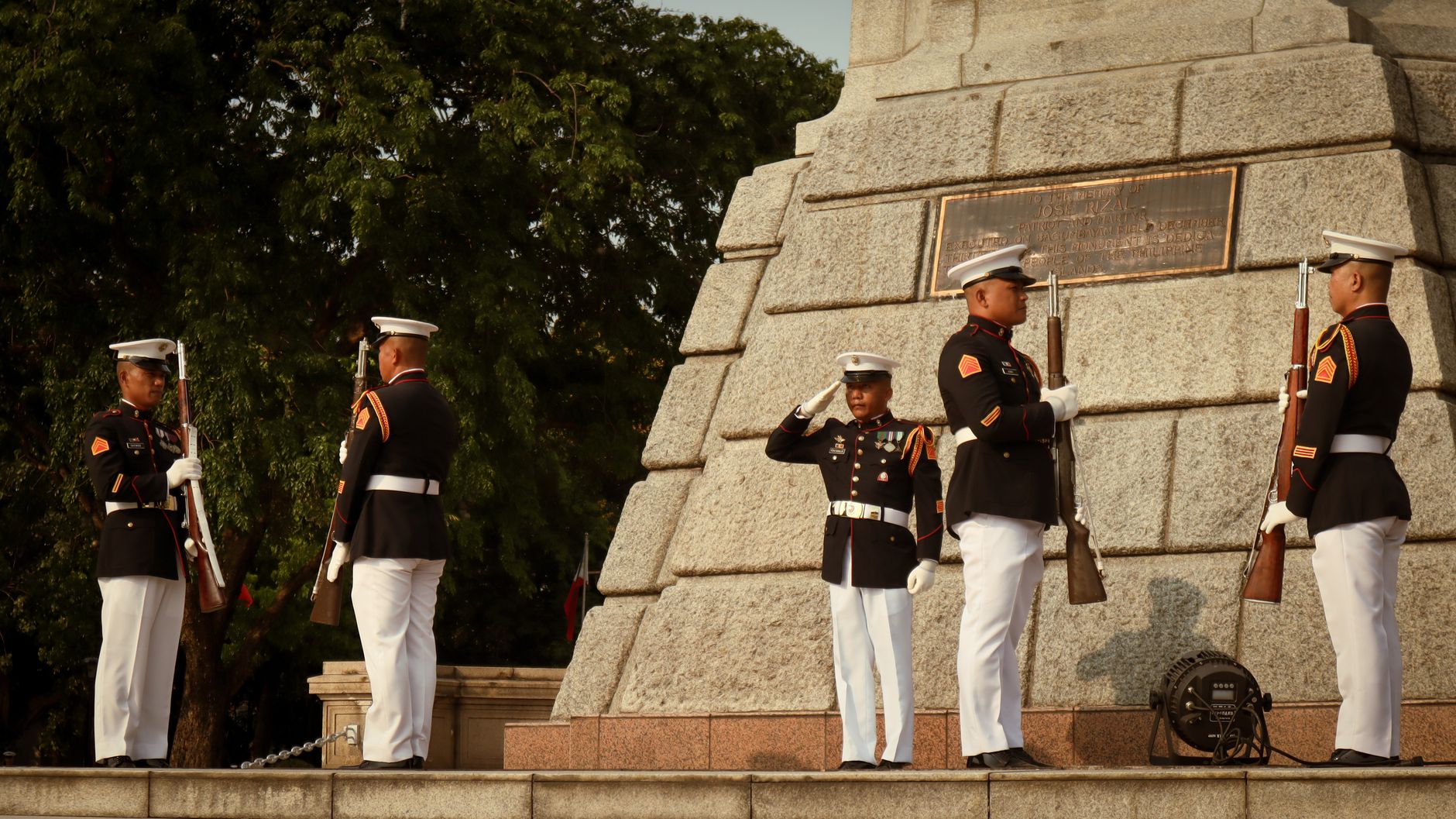
Filipino Soldier Turns Professor
Felix Paredes fought in the Korean War as a Filipino soldier. He later became a professor at the University of the Philippines in Manila. Paredes's life took a dramatic turn from battlefields to academia.
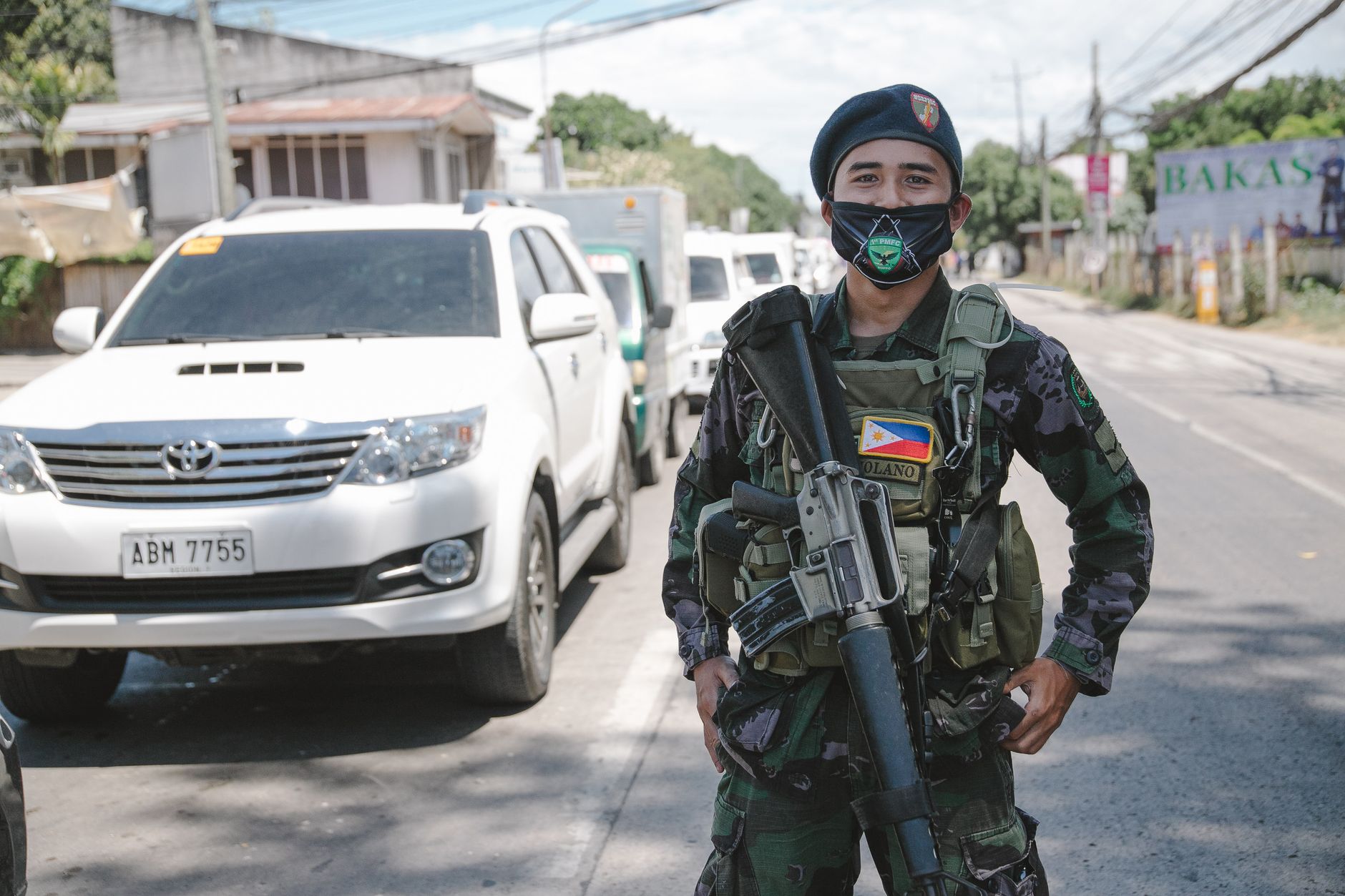
Photo by Denniz Futalan on Pexels
A Filipino Soldier's Unconventional Path
On June 25, 1950, the North Korean army crossed the 38th parallel, sparking the Korean War. Among the troops sent to aid South Korea was a young Filipino soldier named Felix Paredes, who would later trade his rifle for a textbook and become a professor at the University of the Philippines in Manila. Paredes's journey from the battlefields of Korea to the classrooms of the Philippines is a story of unexpected turns and dogged determination.
What Everyone Knows
Most people think that Filipino soldiers who fought in the Korean War were simply following orders, without much consideration for the long-term consequences of their actions. The standard story goes that these soldiers were patriots who served their country, but their experiences during the war had little impact on their later lives. However, this narrative overlooks the complex and varied experiences of individual soldiers like Felix Paredes, who went on to lead fulfilling and unconventional lives after the war.
What History Actually Shows
Historian Teodoro Agoncillo notes in his book "The Fateful Years: Japan's Adventure in the Philippines, 1941-1945" that the Philippines' experience in World War II played a significant role in shaping the country's decision to send troops to Korea in 1950. On August 6, 1950, the Philippine Congress approved the deployment of a battalion of soldiers to Korea, with Paredes among them. According to historian Ricardo Jose, in his book "The Philippine War in Korea, 1950-1955", Felix Paredes was one of the few Filipino soldiers who took advantage of the US military's education programs, earning a college degree while still on active duty. By 1955, Paredes had completed his tour of duty in Korea and was back in the Philippines, where he would go on to pursue a career in academia, earning a master's degree in history from the University of the Philippines by 1962. As historian Milagros Guerrero notes in her book "The Philippine Revolution Against Spain", the post-war period saw a surge in interest in education among Filipino veterans, with many going on to become influential figures in Philippine society. Paredes's own story is a testament to the power of education to transform lives, and his experiences in Korea and beyond continue to fascinate historians today, with many seeking to learn more about the lives of Filipino soldiers who fought in the Korean War. By 1970, Paredes had become a respected professor at the University of the Philippines, teaching courses on history and international relations.
The Part That Got Buried
Historians at the National Historical Commission of the Philippines chose to focus on the country's own liberation from colonial rule, leaving the stories of individual soldiers like Captain Jose Calunsod, who fought in the Korean War, to gather dust. The Philippine government's decision to allocate limited resources to documenting the country's involvement in international conflicts also contributed to the neglect of Calunsod's story. Specifically, the lack of funding for the Philippine Veterans Affairs Office to collect and preserve the personal accounts of soldiers who fought in Korea meant that many stories, including Calunsod's, were not recorded or archived. As a result, Calunsod's transition from soldier to professor was relegated to a footnote in the country's history, known only to a select few who had access to his personal papers and correspondence.
The Ripple Effect
The consequences of Calunsod's experiences in Korea were felt by his students, who benefited from his unique perspective on international relations and global conflict. The university where Calunsod taught, the University of the Philippines, still offers a course on the history of the Korean War, which was developed by Calunsod himself. This course has become a staple of the university's curriculum, and its influence can be seen in the work of modern scholars, such as Dr. Maria Socorro Santiago, who has written extensively on the Philippines' role in international conflicts. The course has also inspired a new generation of historians and diplomats, including Ambassador Rachel Reyes, who has served in several key posts, including the Philippine Embassy in Seoul.
The Line That Says It All
Captain Jose Calunsod's name was finally added to the Philippine Veterans Affairs Office's official list of Korean War veterans in 2010, more than five decades after the war ended.
A Note on Sources
This article draws on historical records, documented accounts, and academic research related to the Philippine involvement in the Korean War and its aftermath.