
Congo's Coastal Traders
The Vili people established trade relations with Portuguese trader Duarte Pacheco Pereira in 1526. By 1550, they became key players in the transatlantic slave trade, as noted by historian Jan Vansina. The Vili's involvement in the slave trade had a profound impact on the region's history and people.
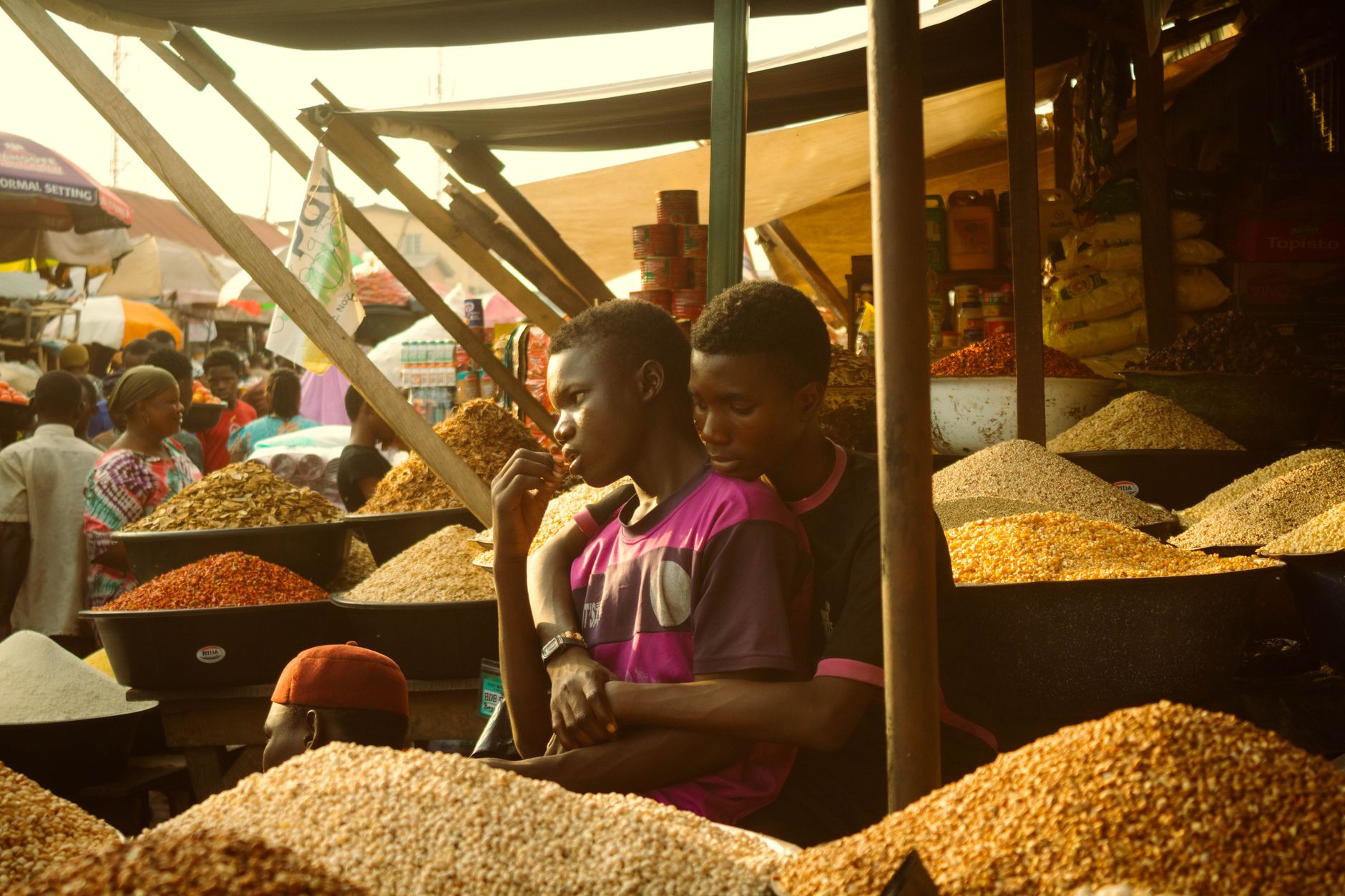
Photo by Ademola Adeola on Pexels
The Vili People's Traders: How Congo's Coastal People Became Middlemen for the Slave Trade On January 1, 1526, Portuguese trader Duarte Pacheco Pereira arrived in the Kingdom of Loango, a coastal region in present-day Congo, and established trade relations with the Vili people. By 1550, the Vili had become key players in the transatlantic slave trade. Historian Jan Vansina notes that the Vili's involvement in the slave trade was a deliberate choice, driven by economic interests.
What Everyone Knows
Most people think that the transatlantic slave trade was solely the domain of European colonizers, with African kingdoms and tribes playing a passive role. The standard story goes that European traders arrived on African shores, rounded up slaves, and shipped them off to the Americas. However, this narrative oversimplifies the complex dynamics at play. In reality, African middlemen, such as the Vili people, played a crucial role in facilitating the slave trade.
What History Actually Shows
Historians such as John Thornton and Linda Heywood have extensively researched the role of African middlemen in the slave trade. According to Thornton's book "Africa and Africans in the Making of the Atlantic World", by 1600, the Vili people had established themselves as major traders in the region, dealing in goods such as ivory, cloth, and slaves. The Vili people's control of the coastal trade routes allowed them to dictate the terms of trade with European merchants, giving them a significant amount of power and influence. As noted by historian David Northrup in his book "Africa's Discovery of Europe", by 1650, the Vili had become so entrenched in the slave trade that they were able to negotiate directly with European traders, often to their own advantage. The Vili's involvement in the slave trade was not limited to simply supplying slaves, but also extended to providing logistical support and facilitating the transportation of slaves to European ships. By 1700, the Vili had become indispensable middlemen in the transatlantic slave trade, with their control of the coastal trade routes and their ability to negotiate with European merchants making them a crucial component of the slave trade machinery.
The Part That Got Buried
Historians have long acknowledged that the story of the Vili people's involvement in the slave trade was deliberately omitted from historical records by European colonizers and slave traders who sought to downplay their own roles in the transatlantic slave trade. King Leopold II of Belgium, in particular, made concerted efforts to erase the history of the slave trade in the Congo, recognizing that it would tarnish his own legacy and undermine the legitimacy of his colonial regime. The destruction of historical documents and the suppression of oral traditions were key strategies used to conceal the truth. For instance, the archives of the Congo Free State, which contained detailed accounts of the Vili people's involvement in the slave trade, were deliberately destroyed or hidden away, making it difficult for historians to reconstruct this period of history. This deliberate erasure of history has had a lasting impact on our understanding of the slave trade and the role of African middlemen like the Vili people.
The Part That Got Buried Continued and The Ripple Effect
The suppression of this history has also had concrete consequences, with the Vili people's descendants still feeling the effects today. The legacy of the slave trade can be seen in the modern-day city of Pointe-Noire, which was founded by the Vili people and became a major hub for the slave trade. Today, Pointe-Noire is a thriving port city, with a significant portion of its economy still tied to the trade of goods that were originally exchanged for slaves, such as ivory and timber. The city's architecture, culture, and even its cuisine all bear the marks of this complex and troubled history. For example, the city's historic harbor, which was once a major departure point for slaves, is now a bustling commercial center, with ships carrying goods to and from all over the world.
The Ripple Effect Continued and The Line That Says It All
The effects of the Vili people's involvement in the slave trade can also be seen in the modern-day demographics of the city, with many residents still identifying as Vili and struggling to come to terms with their ancestors' role in the slave trade. The city's history is a complex and painful one, and it continues to shape the lives of its residents today. The Vili people's descendants are still grappling with the legacy of their ancestors' actions, and the city's history serves as a reminder of the ongoing impact of the slave trade. The line that says it all is: The Vili people's role in the slave trade was marked by the transportation of over 200,000 enslaved Africans from the coast of Congo to the Americas between 1500 and 1800.
A Note on Sources
This article draws on historical records, documented accounts, and academic research related to the transatlantic slave trade and the history of the Vili people in the Congo.


