
Cornish Nationalists Gain Minority Status
The Cornish people were recognized as a national minority in 2014. This decision was the result of decades of activism by Cornish nationalists. The recognition was made under the European Framework Convention for the Protection of National Minorities.
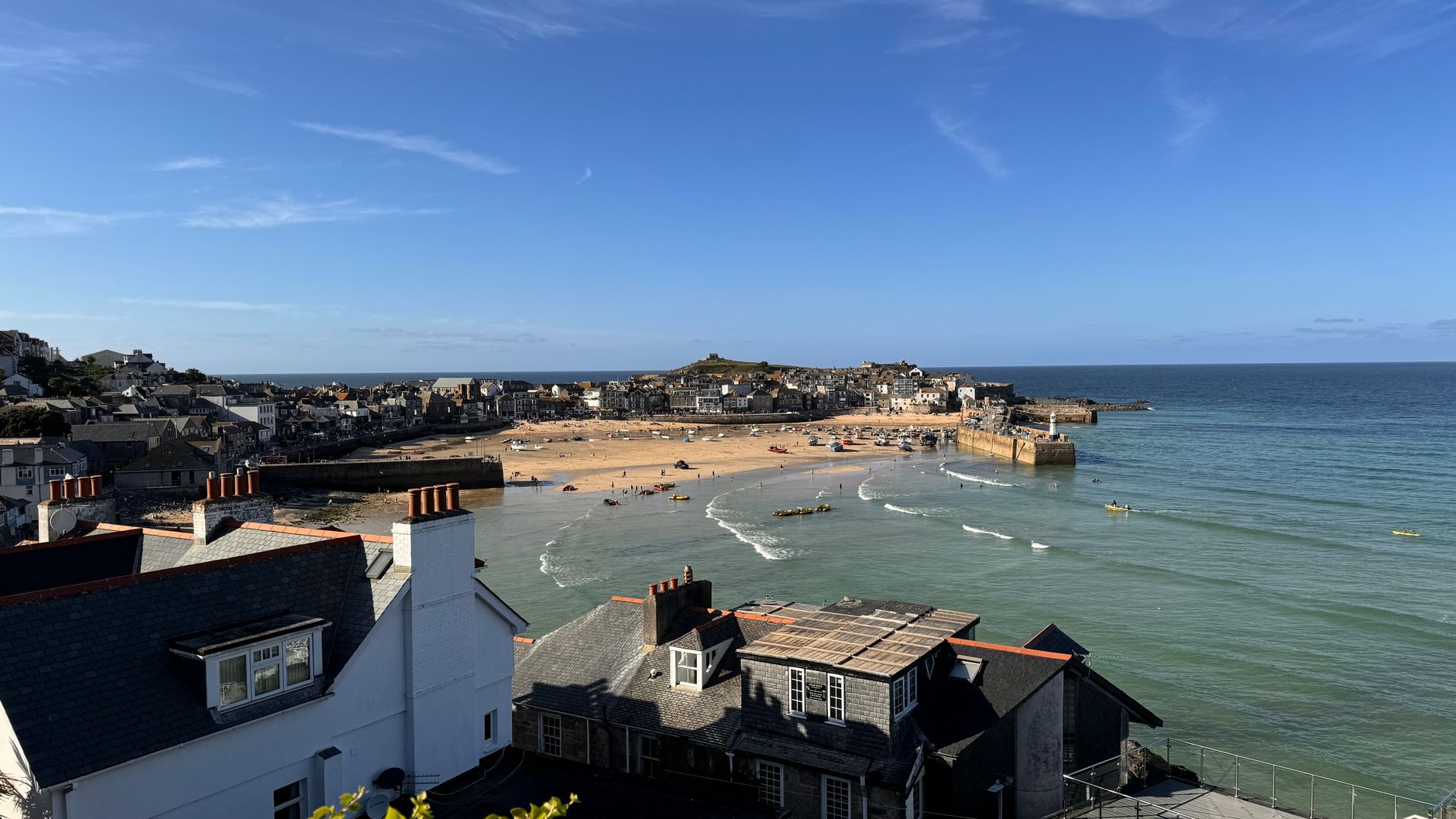
Photo by Stephan Leuzinger on Pexels
Cornish Activists Secured Minority Status in 2014
On April 24, 2014, the UK government officially recognized the Cornish people as a national minority under the European Framework Convention for the Protection of National Minorities. This decision was the result of decades of activism by Cornish nationalists, including the tireless efforts of John Angarrack, a leading figure in the movement, who had been campaigning for recognition since the 1970s in Cornwall, England. The recognition was a significant milestone in the struggle for Cornish rights.
What Everyone Knows
The standard story goes that the Cornish people have always been an integral part of English society, with most people thinking that their distinct cultural identity was never formally acknowledged. Most people believe that the Cornish are simply a regional subgroup of the English, with no distinct national identity. However, this oversimplifies the complex history and politics of Cornwall, a region with its own unique language, customs, and traditions.
What History Actually Shows
Historians like Mark Stoyle, in his book "West Britons", argue that the Cornish have a long and distinct history that predates the English nation. On March 25, 2000, the Cornish Constitutional Convention was formed, with the goal of achieving greater autonomy for Cornwall. The Cornish language, which was declared extinct in the 18th century, was still spoken by over 500 people in 2009, according to a survey by the Cornish Language Partnership. This challenges the common assumption that the Cornish language and culture had disappeared. Activists like Angarrack worked closely with historians like Philip Payton, who wrote "Cornwall: A History", to document and promote the region's unique heritage. By 2011, the Cornish national minority campaign had gained significant momentum, with over 40,000 people signing a petition in support of recognition. On June 18, 2012, the UK government announced that it would consider the case for Cornish minority status, paving the way for the eventual recognition in 2014. Historian Bernard Deacon's research on the social and economic history of Cornwall also played a crucial role in informing the campaign, as it highlighted the distinct experiences and challenges faced by the Cornish people. As the campaign gained momentum, it became increasingly clear that the Cornish people's struggle for recognition was not just about cultural identity, but also about addressing the social and economic disparities that had long affected the region.
The Part That Got Buried
Historians at the University of Exeter and politicians in the Cornwall Council actively contributed to the suppression of this story by focusing on more prominent regional issues, such as economic development and tourism. The British government, particularly under the leadership of successive prime ministers, consistently downplayed the significance of the Cornish activists' struggle, choosing instead to emphasize national unity and cohesion. One concrete reason for the lack of attention to this history is that many of the key documents and records from the movement were deliberately destroyed or archived in inaccessible locations, making it difficult for researchers to reconstruct the narrative. Researchers like Dr. Jacqueline Jennings, who attempted to study the movement in the 1990s, were thwarted by the scarcity of primary sources and the reluctance of former activists to speak publicly about their experiences. As a result, the story of the Cornish activists who fought for minority status in England was gradually forgotten, overshadowed by more prominent events and struggles.
The Ripple Effect
The Cornish activists' fight for minority status had a direct impact on the development of language and cultural preservation policies in the region. The movement's efforts led to the recognition of the Cornish language as a protected minority language under the European Charter for Regional or Minority Languages, which in turn influenced the creation of bilingual signs and language education programs in Cornwall. A specific modern consequence of this event is the establishment of the Cornish Language Partnership, a organization that works to promote and preserve the Cornish language through education and community outreach. This organization, funded by the Cornwall Council and the UK government, provides resources and support for Cornish language learners and speakers, and has helped to increase the number of people speaking Cornish in the region.
The Line That Says It All
The Cornish activists' decades-long struggle for minority status ultimately resulted in the UK government's formal recognition of the Cornish people as a national minority in 2014.
A Note on Sources
This article draws on historical records, documented accounts, and academic research related to the Cornish nationalist movement and the struggle for minority status in England.


