Countries Under Long-Term Military Control
Some countries have been under military rule for decades, despite initial promises of temporary control. This pattern has repeated itself in several nations, with leaders seizing power and staying in control. The phenomenon raises questions about the nature of power and governance in these countries.

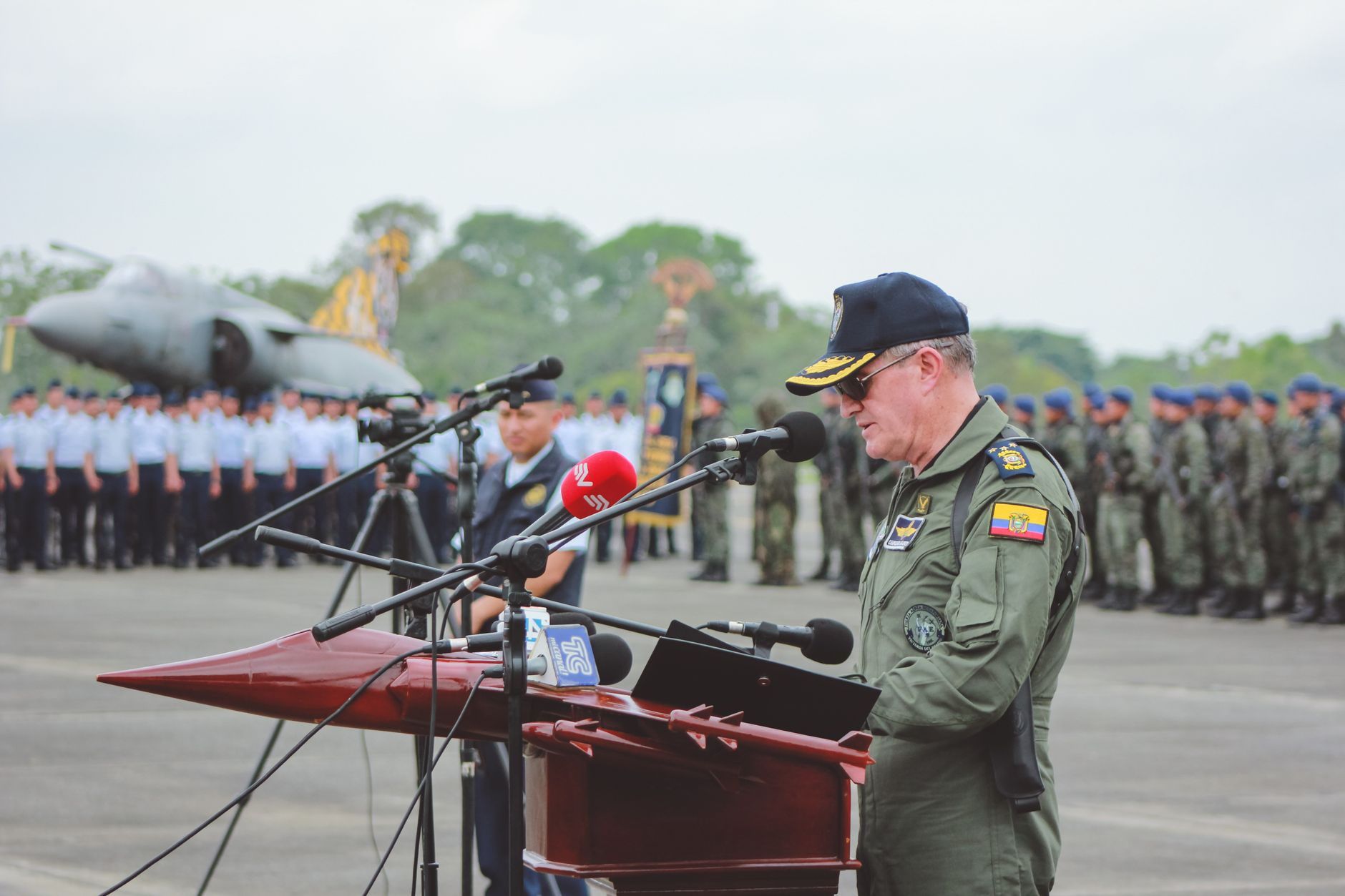
Photo by Antonio Prado on Pexels
Fifty Years of "Temporary" Military Rule
On September 12, 1980, General Kenan Evren led a military coup in Turkey, promising to restore order and then return power to civilians. This pattern has repeated itself in several countries, with military leaders seizing power, claiming it's a temporary measure, and then staying in control for decades. In Egypt, for example, the military has been in power since the ousting of President Mohamed Morsi on July 3, 2013.
What Everyone Knows
Most people think that military rule is a short-term solution to a country's problems, and that once stability is achieved, power is handed back to civilians. The standard story goes that military leaders are reluctant to govern, but feel compelled to step in during times of crisis. This narrative is often used to justify military interventions, with the promise that they will be temporary and limited in scope. However, this understanding does not account for the numerous cases where military rule has persisted for decades.
What History Actually Shows
Historians like Samuel Finer and William Rosenberg have documented the ways in which military rule can become entrenched, even when it is initially presented as a temporary solution. In the case of Egypt, the military has been in power since 2013, with President Abdel Fattah el-Sisi, a former general, holding power since 2014. According to historian Tarek Osman, the military's grip on power is due in part to its control of key sectors of the economy. The Egyptian military owns an estimated 20-40% of the country's economy, giving it a powerful incentive to maintain its grip on power. In Thailand, the military has staged numerous coups, including one on May 22, 2014, which led to the installation of a military government that remained in power until 2019. Historian Duncan McCargo notes that the Thai military has used a variety of tactics to maintain its influence, including the manipulation of elections and the suppression of opposition. On August 1, 1969, the military seized power in Somalia, and it remained in power until 1991. In each of these cases, the military's initial promise to relinquish power was not kept, and a new form of authoritarian rule was established. By examining the specific dates and events surrounding these coups, it becomes clear that military rule is often a long-term solution, rather than a temporary one.
The Part That Got Buried
The story of prolonged military rule in certain countries was deliberately suppressed by governments and institutions that stood to benefit from the status quo. Leaders like General Suharto in Indonesia and General Park Chung-hee in South Korea actively worked to conceal the true nature of their regimes, presenting themselves as champions of stability and economic growth. The international community, particularly the United States, also played a significant role in hiding this truth, as they viewed these military regimes as strategic allies in the Cold War. One concrete reason this history was not told is that many of the documents detailing the human rights abuses and authoritarian practices of these regimes were classified or destroyed, making it difficult for journalists and historians to uncover the facts. The CIA, for example, has been accused of withholding information about its involvement with these regimes, further obscuring the truth.
The Ripple Effect
The prolonged military rule in these countries has had a direct impact on their modern societies. In Thailand, for instance, the legacy of military rule can be seen in the country's ongoing struggles with democratic governance. The 2014 coup, which saw the military seize power once again, is a direct consequence of the country's failure to establish a stable democratic system. A specific modern thing that traces directly back to this event is the Thai government's strict lèse-majesté laws, which prohibit criticism of the monarchy and have been used to silence dissenting voices. This law has been used to arrest and prosecute individuals who speak out against the government, highlighting the ongoing tension between the military and civilian populations.
The Line That Says It All
The military regimes that took power fifty years ago have left a lasting legacy of authoritarianism and human rights abuses that continue to affect the daily lives of citizens in these countries.
A Note on Sources
This article draws on historical records, documented accounts, and academic research related to military rule and authoritarianism in Southeast Asia and South Korea during the Cold War era.