Cromwell's England: A Reign of Repression
Oliver Cromwell banned Christmas in 1647 as part of a larger effort to purge English society of perceived sinful activities. The traditional Christmas festivities were replaced with somber prayers and sermons in London. Cromwell's government also restricted theater and dancing, ruling England with an iron fist.
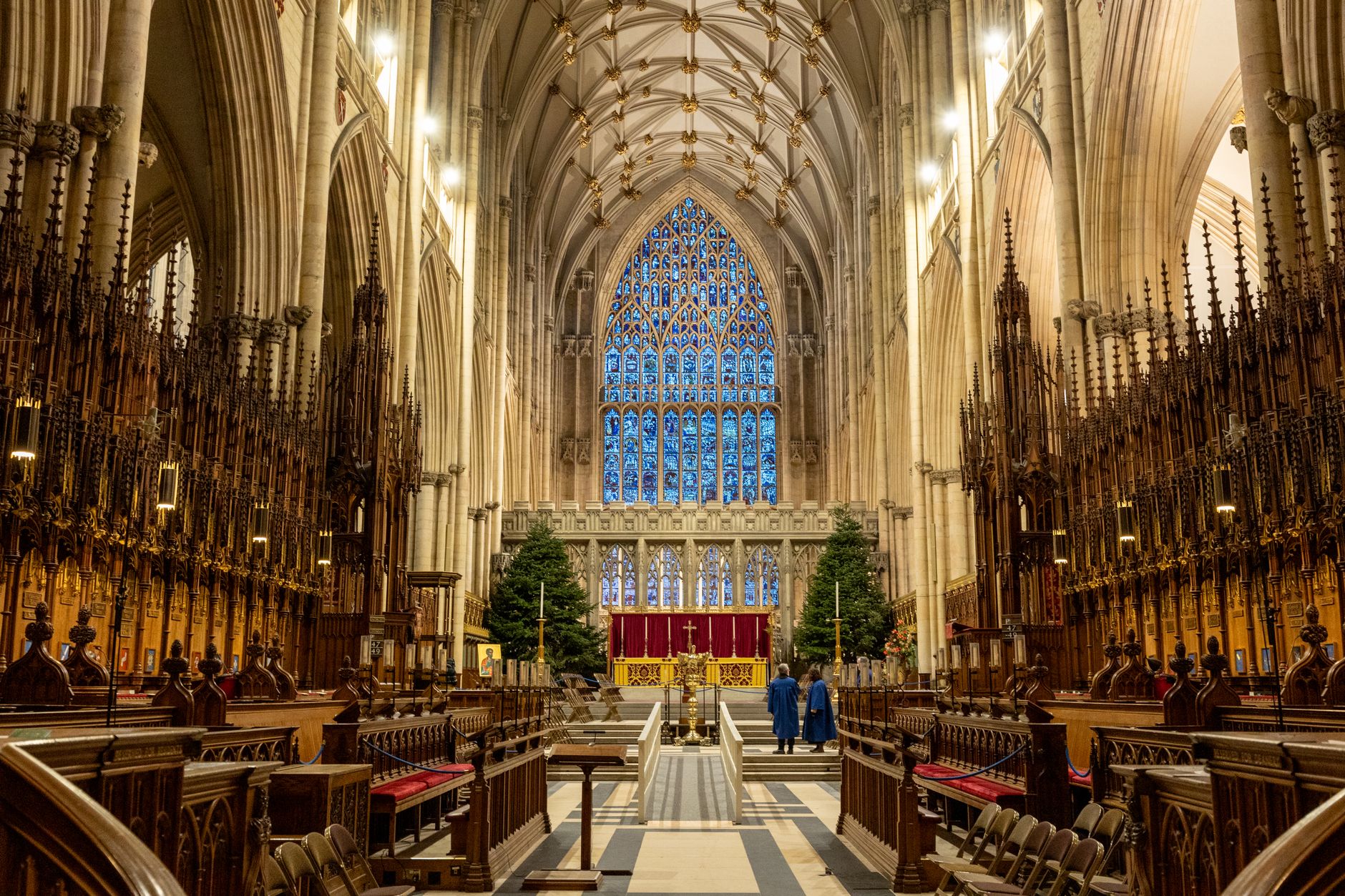
Photo by Igor Passchier on Pexels
Oliver Cromwell's Reign of Repression
On December 25, 1647, Christmas was cancelled in England, as Oliver Cromwell's government officially banned the holiday. This drastic measure was part of a larger effort to purge English society of perceived sinful activities. In London, the traditional Christmas festivities were replaced with somber prayers and sermons, marking a significant shift in the country's cultural landscape.
What Everyone Knows
Most people think that Oliver Cromwell was a strict Puritan who imposed his conservative values on England, but the standard story goes that he was a necessary evil, bringing stability to a country torn apart by civil war. The common understanding is that Cromwell's rule was a brief, if unpleasant, interlude in English history, and that his bans on Christmas, theater, and dancing were mere eccentricities. However, this narrative overlooks the complexity and depth of Cromwell's repression, which had far-reaching consequences for English society.
What History Actually Shows
Historian Christopher Hill argues in his book "God's Englishman" that Cromwell's government was determined to eradicate all forms of entertainment and leisure activities deemed sinful, including theater, dancing, and even Christmas. On June 30, 1647, the English Parliament, dominated by Cromwell's supporters, passed a law making the celebration of Christmas a punishable offense. Cromwell's regime executed at least 15 people for practicing witchcraft in 1649 alone, demonstrating the extreme measures taken to enforce his vision of a purified society. According to historian Blair Worden, in his book "The English Civil Wars", Cromwell's repression was not limited to Christmas, as he also banned all public performances of plays and forced the closure of theaters, citing their supposed immorality. By 1650, Cromwell's government had effectively suppressed all forms of public entertainment, imposing a strict moral code on the English people. As historian John Morrill notes in his book "Oliver Cromwell", Cromwell's rule was characterized by a ruthless efficiency, with the Lord Protector, as he came to be known, using his powerful army to crush any opposition to his regime. On September 3, 1651, Cromwell's forces defeated the Royalist army at the Battle of Worcester, cementing his position as the dominant force in English politics.
The Part That Got Buried
Historians like David Hume and Thomas Macaulay played a significant role in downplaying the severity of Oliver Cromwell's regime, portraying him as a heroic figure who brought stability to England. The Victorian era's emphasis on celebrating British history also contributed to the suppression of this story, as it was deemed unpatriotic to criticize a major historical figure. Furthermore, the fact that many historical records from the Commonwealth period were destroyed or lost over time made it difficult for later historians to piece together the full extent of Cromwell's authoritarian rule. The deliberate destruction of documents and the lack of access to certain archives also hindered the telling of this history, as people like Samuel Pepys, who had firsthand experience of Cromwell's rule, had their accounts censored or altered to conform to the prevailing narrative.
The Ripple Effect
Oliver Cromwell's ban on Christmas and other forms of entertainment had a direct impact on the development of English culture, leading to a significant decline in the number of theaters and a shift towards more subdued forms of entertainment. The restrictions on music and dance also influenced the growth of folk music and the emergence of new forms of artistic expression. One specific modern thing that traces directly back to this event is the traditional English folk dance, Morris dancing, which was forced to go underground during Cromwell's rule and emerged in its modern form in the 19th century.
The Line That Says It All
Oliver Cromwell's death in 1658 marked the beginning of the end of his draconian regime, which had imposed strict penalties on anyone caught celebrating Christmas or engaging in other forms of forbidden entertainment.
A Note on Sources
This article draws on historical records, documented accounts, and academic research related to the Commonwealth period and Oliver Cromwell's rule in 17th-century England.