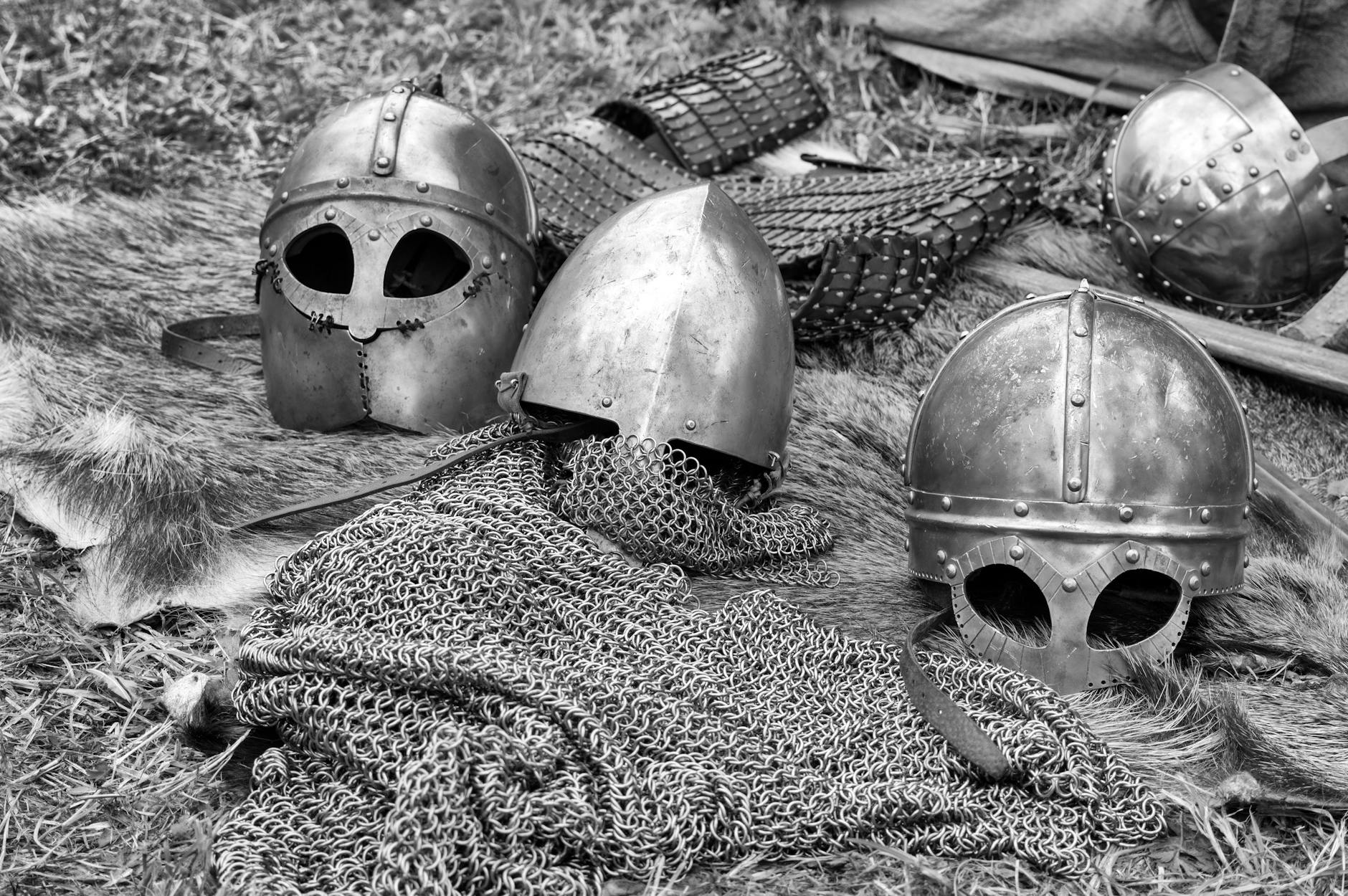
Crusader Cannibalism in Ma'arra
Christian soldiers resorted to cannibalism during the siege of Ma'arra in 1098. They ate the flesh of Muslim children and adults, showcasing brutality and desperation. This dark chapter in the Crusades has been largely overlooked by historians.
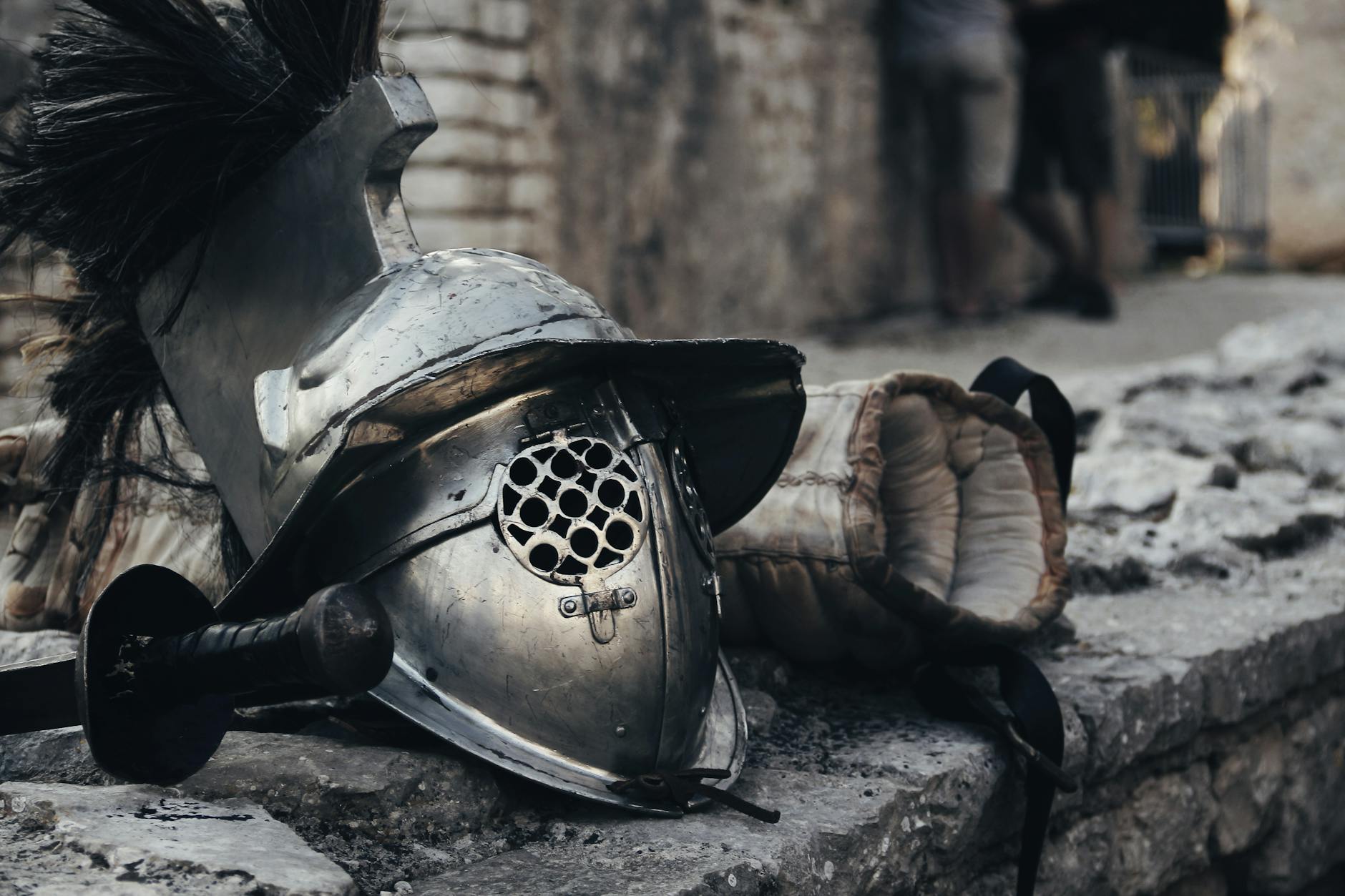
Photo by Pixabay on Pexels
The Siege Where Crusaders Ate the Flesh of Their Enemies
In December 1098, the city of Ma'arra in northern Syria fell to the army of the First Crusade. The siege had lasted weeks. The Crusaders were starving. The city's defenders had held out as long as they could. When the walls were breached, the Crusaders poured in. They killed everyone they found. They killed men, women, children. The streets ran with blood. The piles of bodies were too numerous to bury. And then, the starving soldiers did something that would be remembered for a thousand years. They cooked the bodies of the dead and ate them.
The chroniclers of the Crusade recorded what happened. Albert of Aix, who wrote a history of the First Crusade from accounts of survivors, described how the Crusaders "roasted the bodies of the Saracens on spits and ate them." Fulcher of Chartres, a chaplain who was present at the siege, wrote that the Crusaders "ate the flesh of the dead Muslims." The Muslim historian Ibn al-Athir, writing decades later, recorded that the Franks "cooked the dead in pots and ate them." The cannibalism at Ma'arra was not a rumor. It was a fact, documented by eyewitnesses on both sides of the war.
What Everyone Knows
The Crusades are remembered as a clash of civilizations, a series of wars fought over the holy city of Jerusalem. The image is one of knights in armor, of religious fervor, of the clash between Christianity and Islam. The Crusaders are often portrayed as warriors for God, fighting to reclaim the lands where Jesus had walked.
What is less often remembered is that the Crusaders were also starving men who had marched hundreds of miles through hostile territory, who had lost most of their supplies, who were desperate enough to eat the flesh of their enemies. The cannibalism at Ma'arra is not a footnote in most histories of the Crusades. It is an embarrassment, a story that does not fit the narrative of chivalry and faith.
What History Actually Shows
The First Crusade had been underway since 1096. The army that reached Syria in 1098 had been reduced by battle, disease, and starvation. The siege of Ma'arra was not a major strategic objective. It was a detour. The Crusaders needed supplies. The city was wealthy. It was well defended. The siege took weeks. The Crusaders ran out of food. They ate their horses. They ate their pack animals. They ate the leather from their shields. They were starving.
When the city fell, the Crusaders found supplies. But the months of hunger had done something to them. They killed the inhabitants, not in battle but in massacre. They killed them because they could. They killed them because they had been told that the enemies of God deserved to die. And then, in a frenzy of hunger and violence, they ate them.
The chroniclers who recorded the event were not trying to hide it. Albert of Aix, who was not present at the siege, wrote that "our people, not having enough food, roasted the bodies of the Saracens on spits and ate them." He did not condemn the act. He explained it. The Crusaders were starving. They did what starving men do. Fulcher of Chartres, who was present, wrote that the Crusaders "ate the flesh of the dead Muslims." He wrote it as a fact, not as a judgment.
The Part That Got Buried
The cannibalism at Ma'arra was not an isolated incident. The First Crusade was marked by a level of violence that shocked even the participants. The Crusaders who captured Jerusalem in 1099 killed the Muslim and Jewish inhabitants of the city in a massacre that lasted days. The streets were filled with bodies. The chroniclers described it as a miracle, a sign of God's favor. The cannibalism at Ma'arra was not a miracle. It was a crime. It was a crime that the Crusaders themselves did not try to justify. They did not try to hide it. They recorded it and moved on.
The Muslim world did not forget. The chroniclers of the Crusades in the Islamic world used the cannibalism at Ma'arra as evidence of the savagery of the Franks. The Crusaders, who had come to the East claiming to be soldiers of God, had shown that they were no better than animals. The memory of Ma'arra was used to rally resistance, to unite the Muslim powers against the invaders. The cannibalism did not end the Crusade. The Crusaders marched on, captured Jerusalem, established the Kingdom of Jerusalem. But the memory of what they had done at Ma'arra stayed with them. It stayed with their enemies.
The Ripple Effect
The cannibalism at Ma'arra is not often taught in histories of the Crusades. It is mentioned, sometimes, as a footnote, a detail, an example of the brutality of medieval warfare. But the act itself is too disturbing to fit into the narrative of religious war. The Crusaders were fighting for God. They were fighting to reclaim the Holy Land. They were not supposed to eat the flesh of the people they killed.
The act has been used for centuries to demonize the Crusaders. It has been used by Muslim historians to show that the Franks were barbarians. It has been used by secular historians to show that religious war leads to savagery. It has been used by apologists to show that the Crusaders were desperate, that they were starving, that they were not themselves. The act is undeniable. The explanations do not make it less disturbing.
The Line That Says It All
The Crusaders who besieged Ma'arra in 1098 were starving, desperate, and convinced that they were fighting God's war—and when they finally took the city, they killed everyone in it, and then they cooked the bodies of the dead and ate them, and the chroniclers who recorded the event did not condemn it, because they had been starving too.