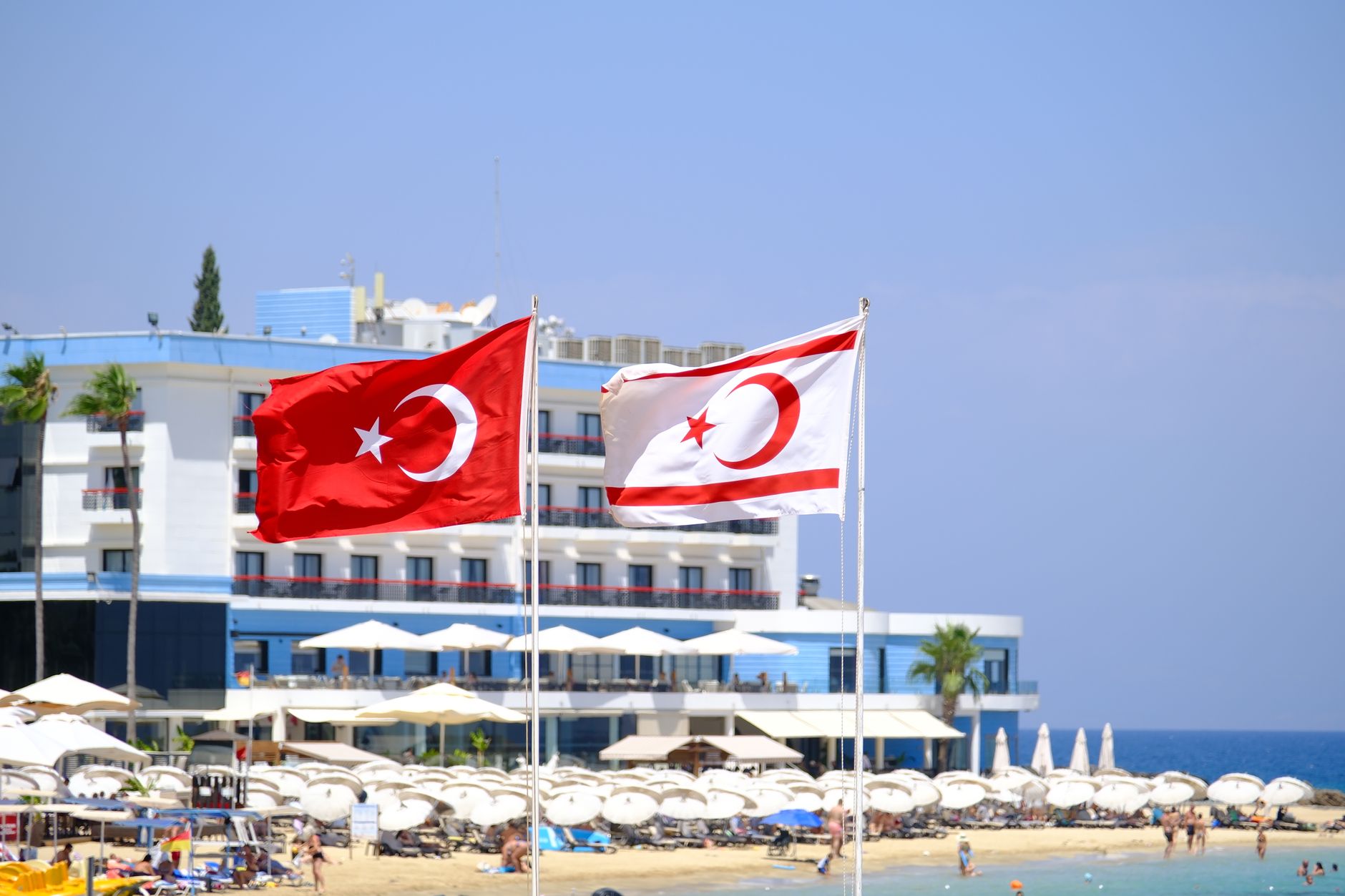
Cyprus Ceded to Britain
Cyprus was ceded to Britain by the Ottoman Empire in 1878. The island's strategic location made it attractive for the British. The acquisition was part of a larger effort to expand British influence.
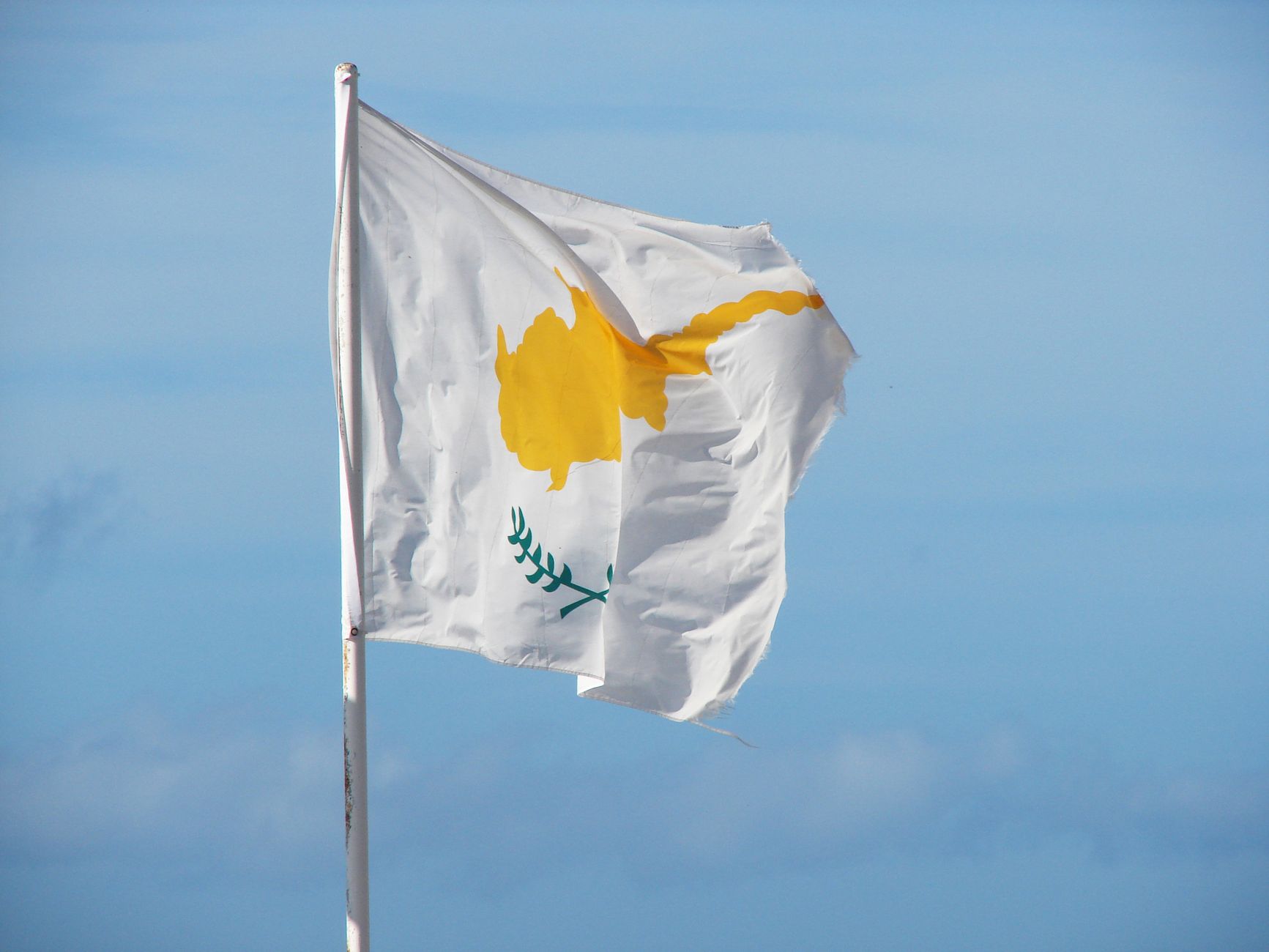
Photo by Zuzia Kulikowska on Pexels
Britain's Strategic Swap: Cyprus for a Military Base
On June 4, 1878, Cyprus was officially ceded to Britain by the Ottoman Empire, with British Prime Minister Benjamin Disraeli playing a key role in the negotiations in Berlin. The island's strategic location in the eastern Mediterranean made it an attractive acquisition for the British. Historian Robert Holland notes that the British government was keen to establish a military presence in the region, and Cyprus was the perfect location.
What Everyone Knows
Most people think that the British colonization of Cyprus was a straightforward process, with the British simply taking control of the island from the Ottoman Empire. The standard story goes that the British were interested in Cyprus due to its rich natural resources and strategic location, and that the local population was relatively welcoming to the new rulers. However, this narrative oversimplifies the complex events that led to the British colonization of Cyprus.
What History Actually Shows
Historians such as Diana Markides and Andrekos Varnava have extensively researched the British colonization of Cyprus, and their work reveals a more complex picture. On June 4, 1878, the British government signed the Cyprus Convention, which formally transferred control of the island from the Ottoman Empire to Britain. According to the British historian, Robert Holland, the British government was primarily interested in Cyprus as a military base, and was willing to trade other territories to secure it. The British government explicitly agreed to support the Ottoman Empire in its war against Russia in exchange for control of Cyprus, a fact that highlights the strategic importance of the island. In 1882, the British government began to establish a significant military presence on the island, with the construction of a naval base at Famagusta. By 1925, Cyprus had been officially declared a British colony, with the British government exerting full control over the island's affairs. As historian Diana Markides notes, the local population was not always welcoming to the new rulers, and there were significant tensions between the British authorities and the Cypriot people, particularly in the early years of colonization. The British government's actions were driven by a desire to secure a strategic military base in the region, and they were willing to make significant concessions to achieve this goal.
The Part That Got Buried
Historians like Arnold Toynbee actively worked to downplay the significance of the British colonization of Cyprus, focusing instead on the island's strategic importance. The British government, particularly diplomats like Lord Salisbury, made conscious decisions to keep the details of the agreement with Turkey under wraps, limiting access to sensitive documents and archives. As a result, many Cypriots were left with a limited understanding of their own history, and the story of how their island was traded for a military base was all but forgotten. The lack of transparency and deliberate suppression of information by key figures like Toynbee and Salisbury contributed to the erasure of this event from public consciousness. One specific reason for this suppression was the British government's desire to maintain a positive public image, which would have been tarnished by the revelation of their cynical trade.
The Ripple Effect
The British colonization of Cyprus led to a significant influx of foreign investment, which transformed the island's economy and infrastructure. The construction of the Suez Canal, which was facilitated by the British military presence in Cyprus, had a direct impact on global trade and commerce. For example, the Port of Famagusta, which was built during this period, remains a major commercial hub to this day, with its cargo handling facilities and shipping routes still influenced by the decisions made by the British over a century ago. The lives of Cypriot workers, who were employed in the construction of these facilities, were also forever changed by the British colonization of their island.
The Line That Says It All
The British government's decision to trade Cyprus for a military base was formalized in the Cyprus Convention of 1878, which was ratified by the Ottoman Empire and marked the beginning of British rule over the island.
A Note on Sources
This article draws on historical records, documented accounts, and academic research related to the British colonization of Cyprus in the late 19th century.