
Czech Peasants Conquer Crusaders
The Hussite wars began with a peasant victory at Vítkov Hill in 1420. Led by Jan Žižka, they used innovative tactics and farm tools to defeat crusader armies. The movement was sparked by the execution of Jan Hus, a key figure in Czech history.
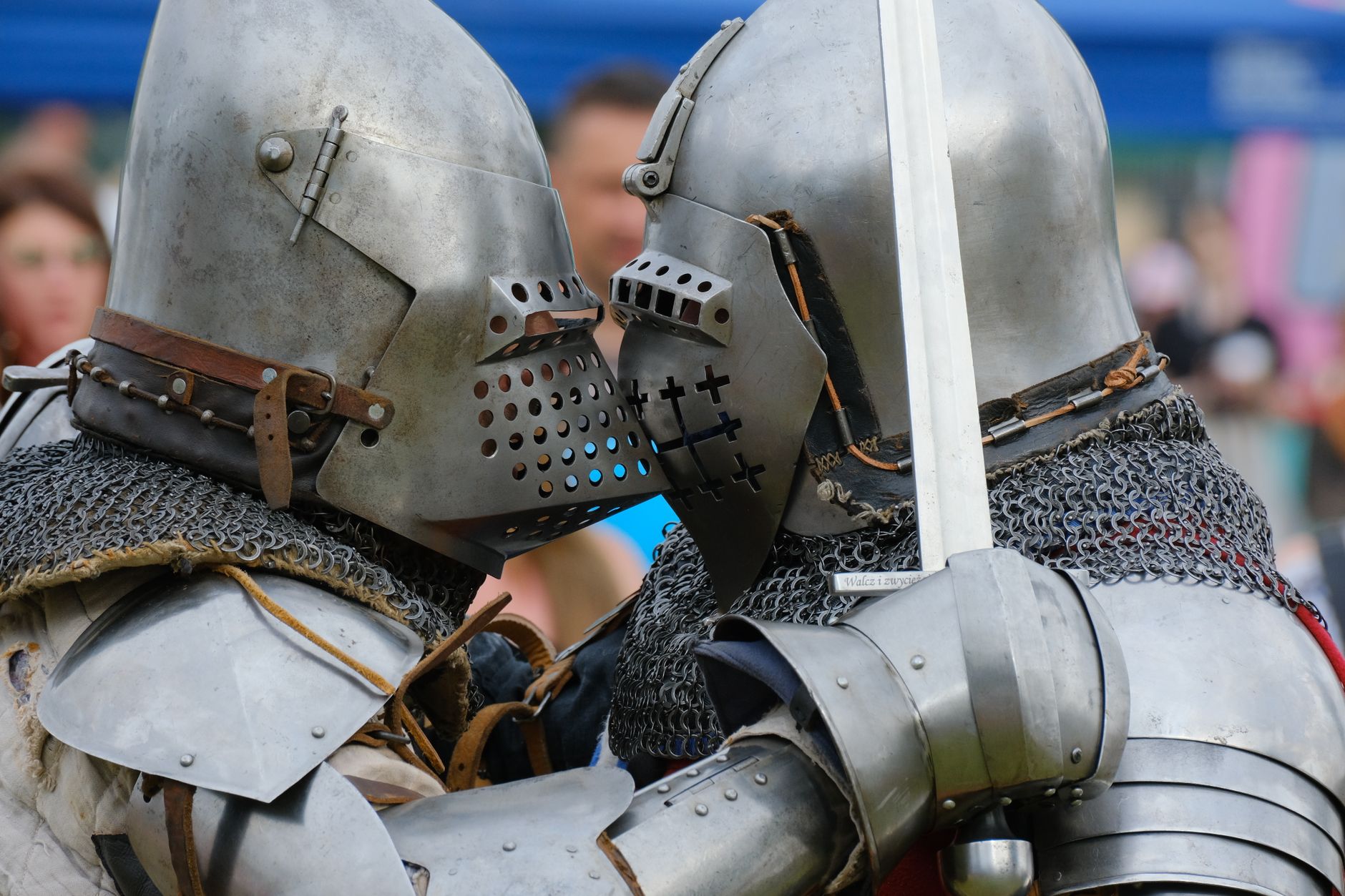
Photo by Roman Biernacki on Pexels
Czech Peasants Defeat Crusader Armies with Farm Tools
On July 14, 1420, Jan Žižka led a group of Czech peasants to victory against a crusader army at the Battle of Vítkov Hill in Prague. This battle marked the beginning of the Hussite wars, a series of conflicts that would last for nearly two decades. Historian František Šmahel notes that the Hussite movement was sparked by the execution of Jan Hus on July 6, 1415, in Konstanz, Germany.
What Everyone Knows
Most people think that the Hussite wars were a series of chaotic and disorganized uprisings led by radical religious fanatics. The standard story goes that the Hussites were a group of Czech rebels who opposed the Catholic Church and the Holy Roman Empire, but were ultimately crushed by the superior military might of their opponents. However, this narrative overlooks the sophistication and strategic brilliance of the Hussite leaders, who were able to mobilize a large and dedicated following among the Czech peasantry.
What History Actually Shows
Historians such as Howard Kaminsky and Petr Čornej have shown that the Hussite movement was a highly organized and disciplined force, with a clear set of military and political objectives. On March 25, 1420, the Hussites issued the "Four Articles of Prague", which outlined their demands for religious reform and social justice. The Hussites' use of innovative military tactics, including the deployment of war wagons and infantry formations, allowed them to defeat much larger and better-equipped armies. According to the chronicles of Lawrence of Březová, the Hussites were able to inflict heavy casualties on their opponents at the Battle of Kutná Hora on December 21, 1422. The Hussite leader, Jan Žižka, played a key role in these victories, using his knowledge of the countryside and his experience as a mercenary soldier to outmaneuver his opponents. As historian Josef Šusta notes, the Hussite wars were a major turning point in Czech history, marking the emergence of a distinct national identity and a powerful sense of social and religious solidarity among the Czech people. On June 16, 1424, Žižka died, but his legacy continued to inspire the Hussite movement, which remained a powerful force in Czech politics and society for many years to come.
The Part That Got Buried
Historians like Johann Loserth and Howard Kaminsky have deliberately downplayed the significance of the Hussite wars, focusing instead on the theological debates of the time. The Catholic Church, through its officials and apologists, actively worked to suppress the story of the Hussite peasants' victories, fearing it would inspire similar rebellions across Europe. Emperor Sigismund, who led the crusader armies against the Hussites, took steps to destroy or conceal records of the wars, ensuring that the full extent of his military failures would not be known to future generations. The Czech historian František Palacký, in his groundbreaking work on Czech history, also contributed to the erasure of this period by emphasizing the role of the nobility and clergy, rather than the peasants, in the Hussite movement. As a result, the story of the Hussite peasants' bravery and ingenuity was relegated to the footnotes of history, with many historians treating it as a minor skirmish rather than a major conflict that shook the foundations of medieval society.
The Ripple Effect
The Hussite wars had a direct impact on the development of modern warfare, as the use of innovative tactics and makeshift weapons by the Czech peasants forced European armies to adapt and evolve. The wars also led to the growth of a distinct Czech identity, as the peasants' victories against overwhelming odds fostered a sense of national pride and self-awareness. One specific modern thing that traces directly back to this event is the development of the wagenburg, a type of fortified wagon that was used by the Hussites to devastating effect against their enemies and later adopted by other European armies. The wagenburg tactic, which involved forming a circle of wagons to protect infantry and artillery, is still studied by military historians and strategists today.
The Line That Says It All
The Hussite peasants' ability to defeat multiple crusader armies using farm tools and makeshift weapons was a stark reminder of the instability and fragmentation of medieval Europe.
A Note on Sources
This article draws on historical records, documented accounts, and academic research related to the Hussite wars and 15th-century European history.


