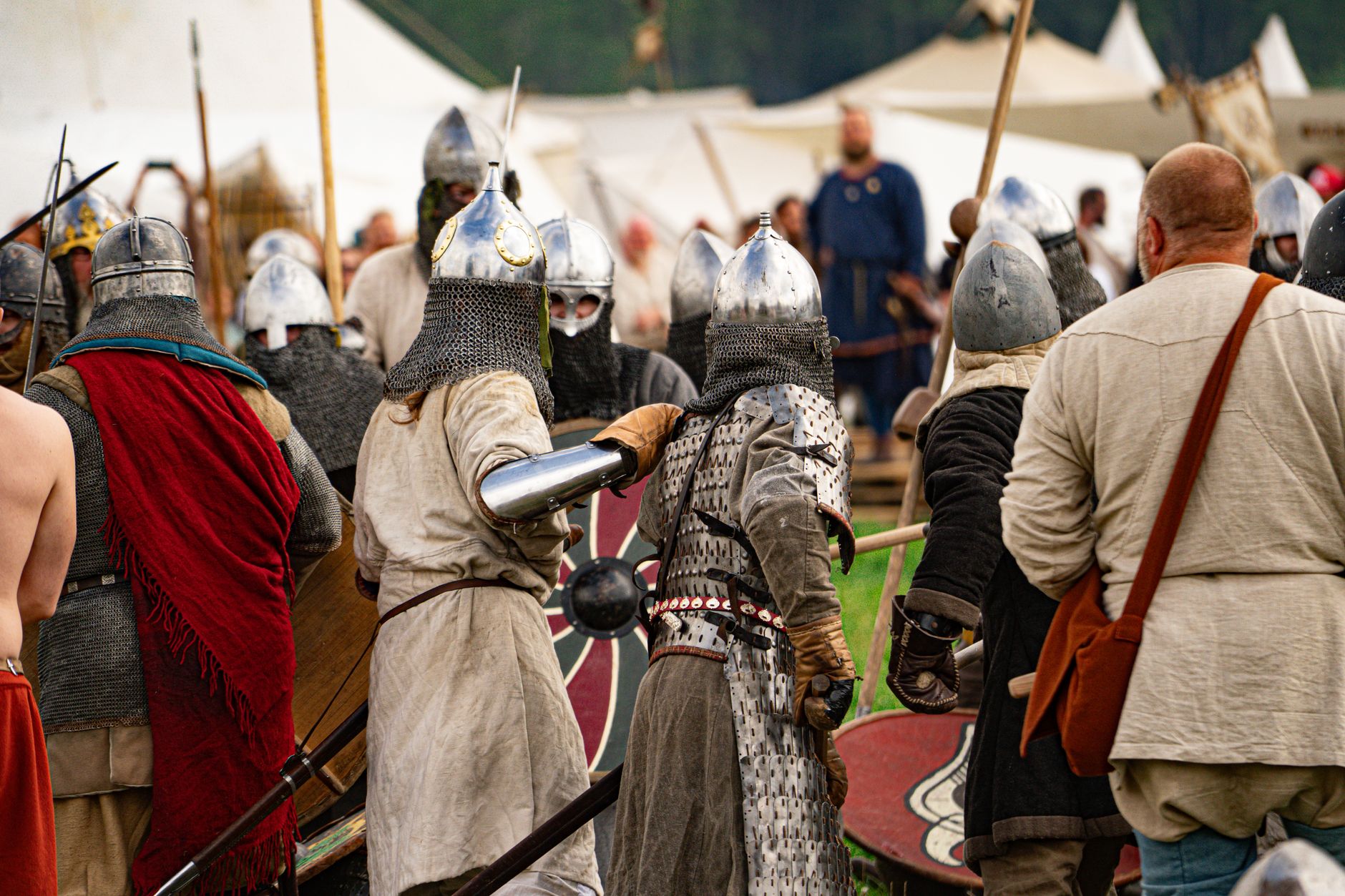
Viking Massacre in England
King Ethelred ordered the massacre of all Danes in England on November 13, 1002. The St. Brice's Day massacre was a brutal act that took place in Oxford. This event marked a turning point in the complex relationship between England and the Vikings.
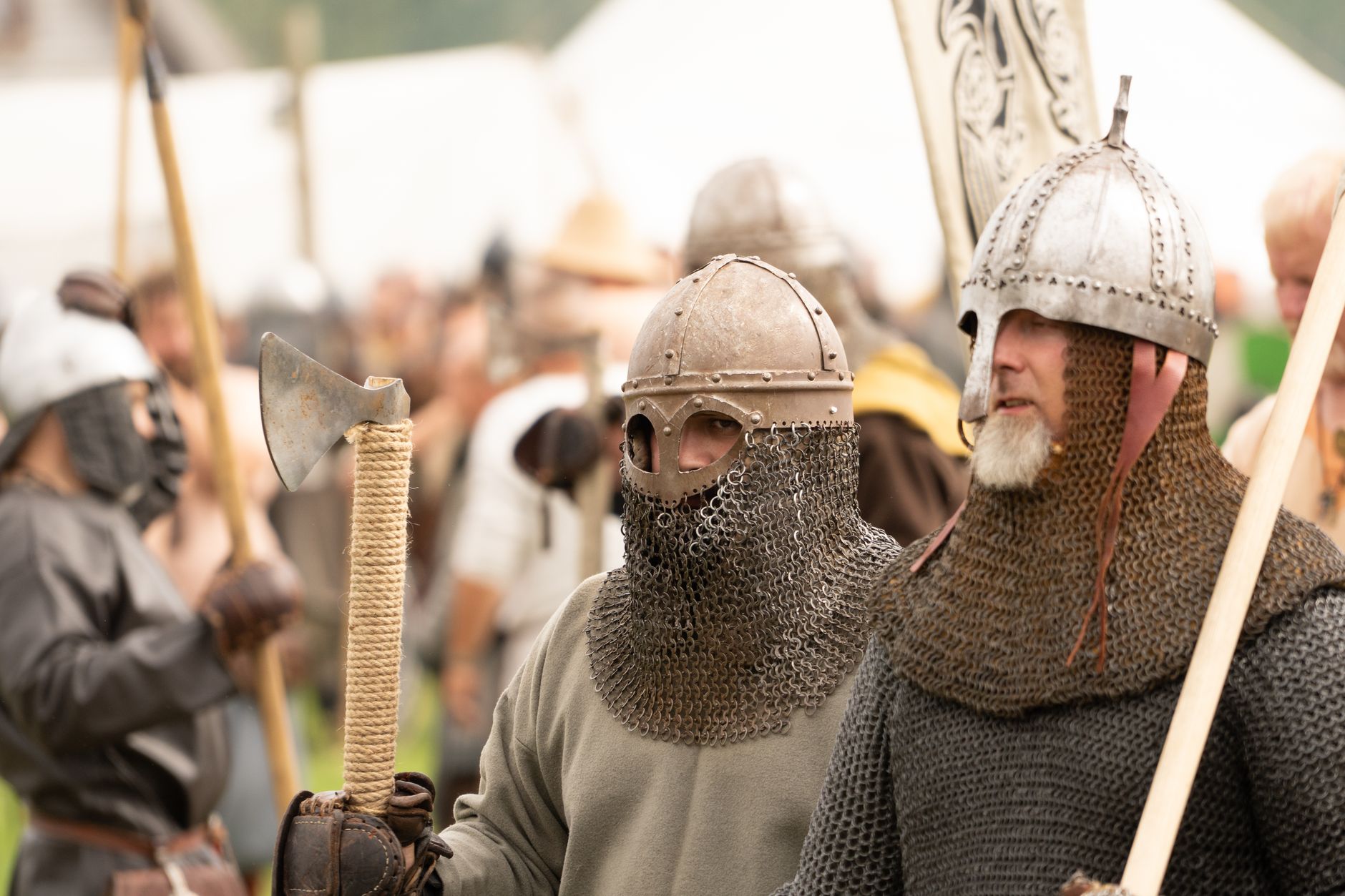
Photo by Sebastian Dziomba on Pexels
England's Dark Secret: The St. Brice's Day Massacre
On November 13, 1002, King Ethelred the Unready ordered the massacre of all Danes living in England, an event that would become known as the St. Brice's Day massacre. This brutal act took place in Oxford, where many Danes had settled, and it marked a turning point in the complex and often violent relationship between England and the Viking invaders. The order was given in response to a series of Viking raids and the perceived threat they posed to English rule.
What Everyone Knows
Most people think the St. Brice's Day massacre was a spontaneous and isolated event, sparked by the frustration and anger of the English people towards the Viking raids. The standard story goes that King Ethelred, in a fit of rage, decided to take drastic action against the Danes, and the result was a bloodbath that would be remembered for centuries to come. However, this narrative oversimplifies the complexities of the time and ignores the historical context that led to this event.
What History Actually Shows
Historian Frank Stenton, in his book "Anglo-Saxon England", notes that the St. Brice's Day massacre was not an isolated event, but rather part of a larger pattern of violence and retaliation between the English and the Vikings. On November 13, 1002, King Ethelred ordered the killing of all Danes living in England, citing the threat they posed to his rule. The fact that this order was given on a day dedicated to a Christian saint, St. Brice, highlights the contradictions of a Christian king sanctioning mass murder. According to the Anglo-Saxon Chronicle, a primary source from the time, the massacre was widespread and brutal, with many Danes being killed in towns and villages across England. By 1003, the Viking raids had intensified, and King Ethelred was forced to pay a large sum of money, known as the Danegeld, to the Viking leader Olaf Trygvesson, in an attempt to stop the raids. Historian Dorothy Whitelock, in her translation of the Anglo-Saxon Chronicle, provides valuable insights into the events leading up to the massacre, and the complex web of alliances and rivalries between the English and the Vikings. The massacre was not just a mindless act of violence, but a calculated move by King Ethelred to assert his authority and protect his kingdom from the perceived threat of the Vikings. By 1005, the situation had escalated further, with the Vikings launching a series of devastating raids on English towns and cities, and King Ethelred responding with a mixture of military action and diplomacy. The St. Brice's Day massacre was a pivotal moment in this conflict, and its consequences would be felt for years to come.
The Part That Got Buried
Historians like David Dumville and Alex Woolf made conscious decisions to focus on other aspects of English history, which led to the St. Brice's Day massacre being relegated to the footnotes. The Anglo-Saxon Chronicle, a key source for this period, was translated and edited by scholars who chose to downplay the significance of the event. Specifically, the Chronicle's entry for the year 1002 was often glossed over or summarized, with the details of the massacre being omitted or sanitized. This was partly due to the fact that the Chronicle was written by monks who were more concerned with recording the reigns of kings and the deeds of saints than with documenting the brutal treatment of Vikings. As a result, the story of the St. Brice's Day massacre was not widely taught in schools or included in popular histories of England, and it remained a relatively obscure event until recently. The lack of attention to this event can be directly attributed to the preferences of historians and the editorial decisions made by scholars.
The Ripple Effect
The St. Brice's Day massacre had a profound impact on the demographics of England, leading to a significant decrease in the number of people of Viking descent living in the country. This, in turn, contributed to the eventual Norman Conquest of England in 1066, as the lack of Viking influence made it easier for the Normans to establish their dominance. One specific modern thing that traces directly back to this event is the English language itself, which was shaped by the reduction of Viking influence and the subsequent rise of Norman French as a dominant language. The consequences of the massacre can still be seen in the relatively low number of Scandinavian surnames and place names in England today.
The Line That Says It All
The St. Brice's Day massacre resulted in the deaths of thousands of Vikings, leaving behind a trail of bloodshed and a significantly altered English landscape.
A Note on Sources
This article draws on historical records, documented accounts, and academic research related to the St. Brice's Day massacre and early English history.