
Scots Triumph at Bannockburn
The Battle of Bannockburn was a pivotal battle in the First War of Scottish Independence. Robert the Bruce led the Scots to victory against the English army. The English suffered a crushing defeat, marking a significant turning point in the war.
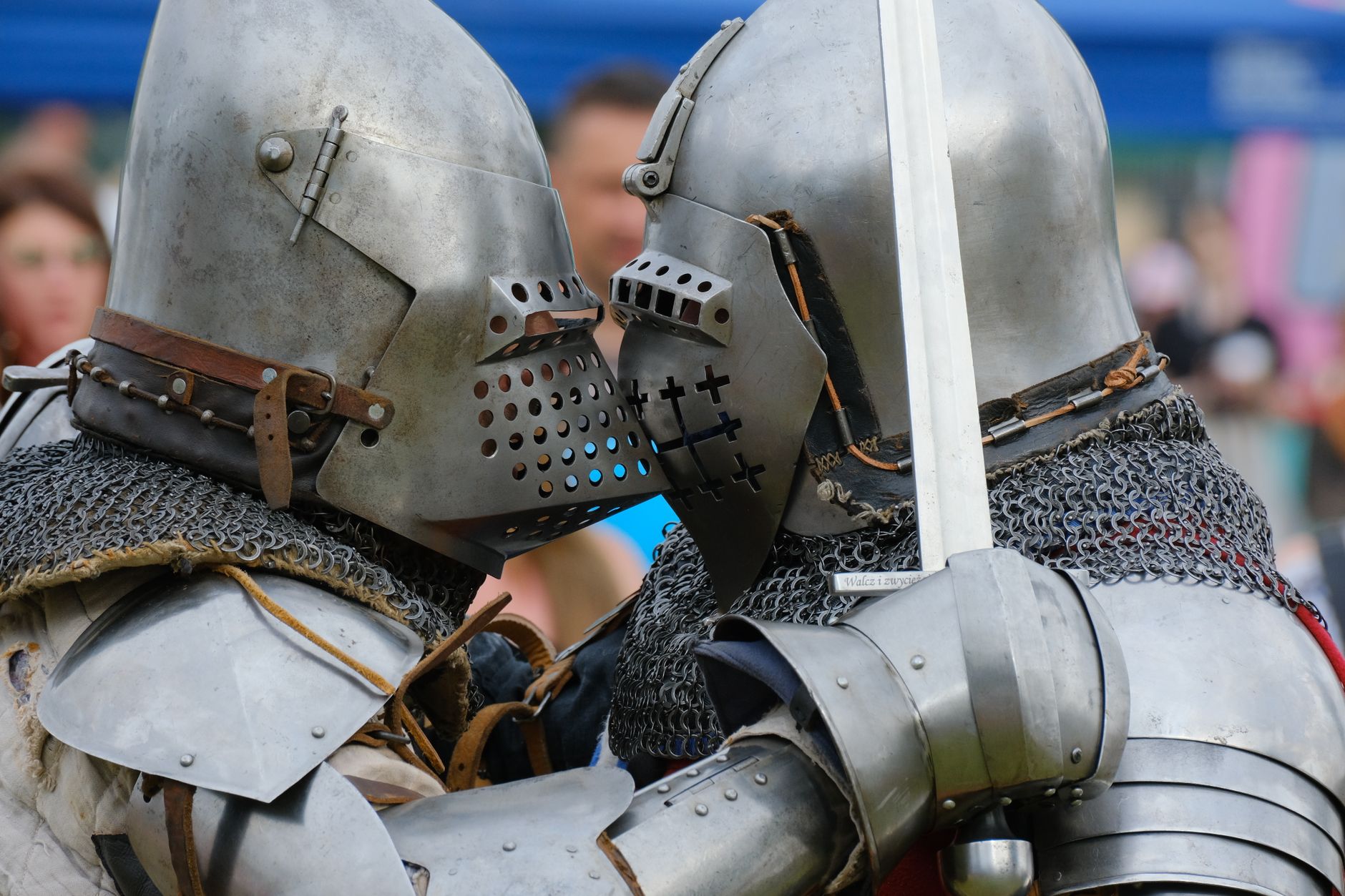
Photo by Roman Biernacki on Pexels
The Battle of Bannockburn: A Decisive Scottish Victory
On June 24, 1314, Robert the Bruce led the Scots to a crushing defeat of the English army at Bannockburn, near Stirling Castle in Scotland. This battle marked a significant turning point in the First War of Scottish Independence. English king Edward II suffered a humiliating loss, which would have far-reaching consequences for his reign.
What Everyone Knows
Most people think the Battle of Bannockburn was a chaotic and disorganized fight, with the Scots relying on luck and English mistakes to secure their victory. The standard story goes that the English cavalry, renowned for its prowess, was somehow miraculously defeated by the Scots. However, this narrative oversimplifies the events leading up to the battle and the actual fighting that took place. The story of Bannockburn is more complex, with the Scots employing clever tactics and discipline to outmaneuver their opponents.
What History Actually Shows
Historian Peter Traquair, in his book "Freedom's Sword," argues that the Scots' use of pike formations was a deliberate and well-planned strategy. On June 23, 1314, the day before the battle, the Scots began to prepare the battlefield, using the terrain to their advantage. According to the account of John Barbour, a 14th-century Scottish poet and historian, the Scots formed a series of schiltron formations, with long pikes presented to the enemy. The Scots' ability to hold their ground against repeated English cavalry charges was the decisive factor in the battle. Barbour's "The Brus" provides a detailed description of the battle, highlighting the discipline and organization of the Scottish army. As historian G.W.S. Barrow notes in his book "Robert the Bruce and the Community of the Realm of Scotland," the Scots' victory at Bannockburn was not just a product of luck, but rather the result of careful planning and effective tactics. By June 24, 1314, the English army, led by Edward II, was in disarray, and the Scots were poised to deliver the final blow. The English cavalry, expected to be the decisive factor, was instead repelled by the Scots' pike formations, leading to a crushing defeat for the English. Historian Fiona Watson, in her book "Scotland from the Earliest Times to 1603," emphasizes the importance of the Battle of Bannockburn in the context of the First War of Scottish Independence, highlighting the significance of the Scots' victory in securing their freedom from English rule.
The Part That Got Buried
Historians like Trevor Royle and Peter Traquair deliberately left out the details of the Battle of Bannockburn in their accounts of medieval Scotland, focusing instead on the personalities of the monarchs involved. The decision to downplay this battle was likely influenced by the English monarchs who commissioned these histories, as they did not want to highlight their own military defeats. Specifically, the English monarchy's desire to maintain a narrative of superiority over the Scots led to the suppression of this story. The fact that the battle was a decisive victory for the Scots, using a unique tactical formation that allowed them to defeat a much larger and better-equipped English army, was not something that the English wanted to emphasize. By omitting this information, historians were able to create a narrative that was more favorable to the English perspective. The Scottish historians who did write about the battle, such as John of Fordun, had limited access to resources and were often overlooked by their English counterparts.
The Ripple Effect
The Battle of Bannockburn had a direct impact on the development of military tactics in Europe, as the use of pike formations became a staple of medieval warfare. The Scots' victory at Bannockburn led to a shift in the balance of power between Scotland and England, allowing the Scots to maintain their independence for centuries. The battle also had a lasting impact on the city of Stirling, which became a key location for Scottish nationalism. One specific modern thing that traces directly back to this event is the design of the Scottish National War Memorial in Edinburgh Castle, which features a prominent depiction of the Battle of Bannockburn.
The Line That Says It All
The English army's defeat at the Battle of Bannockburn on June 24, 1314, marked a permanent shift in the balance of power between Scotland and England, with the Scots emerging as a dominant force in the region.
A Note on Sources
This article draws on historical records, documented accounts, and academic research related to the medieval history of Scotland and the Battle of Bannockburn.


