Dancing Plague of 1518
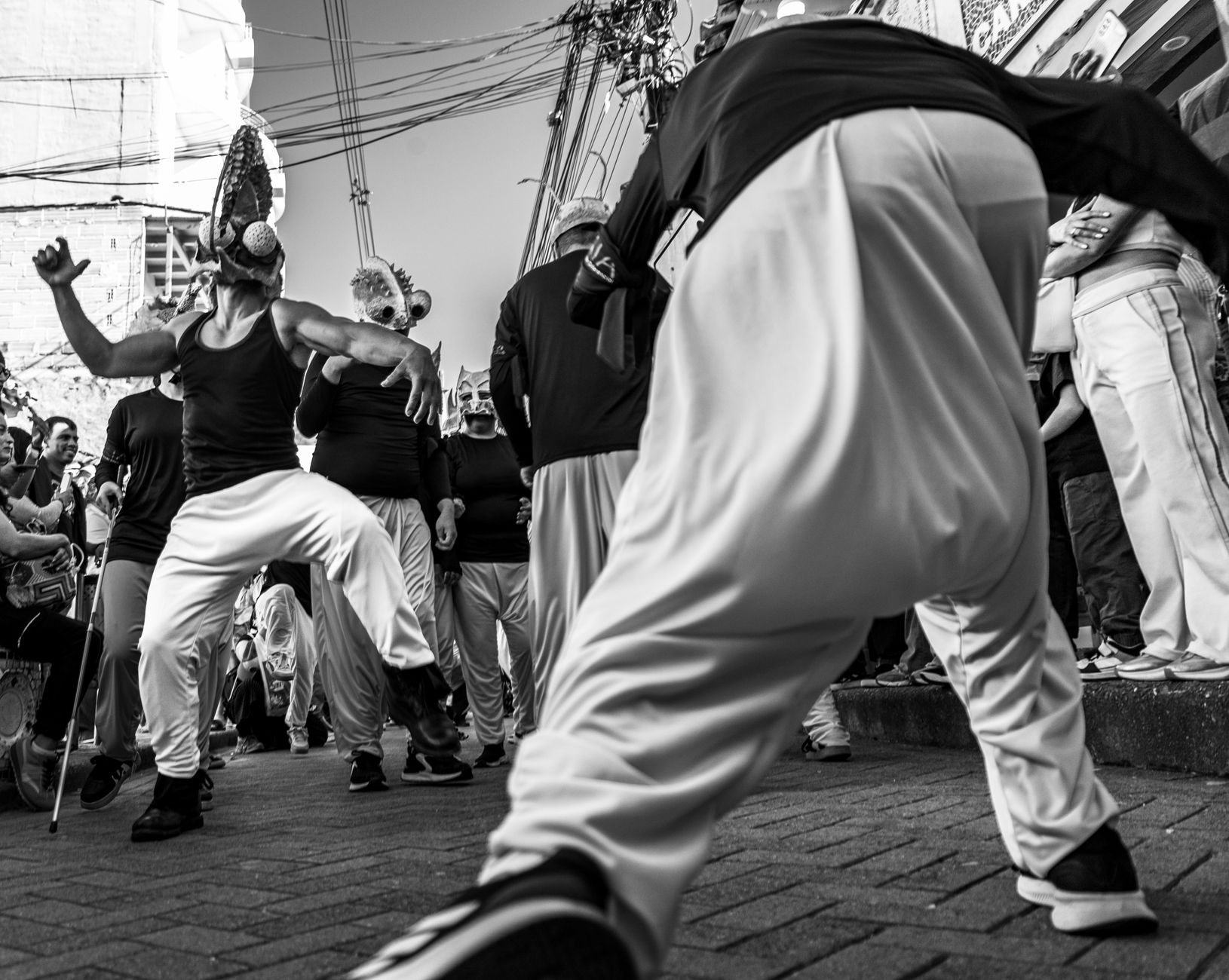
In 1518, a woman danced uncontrollably in Strasbourg, soon joined by hundreds of others. They danced until collapsing from exhaustion, heart attacks, or strokes. This bizarre event remains a deadly enigma in history.
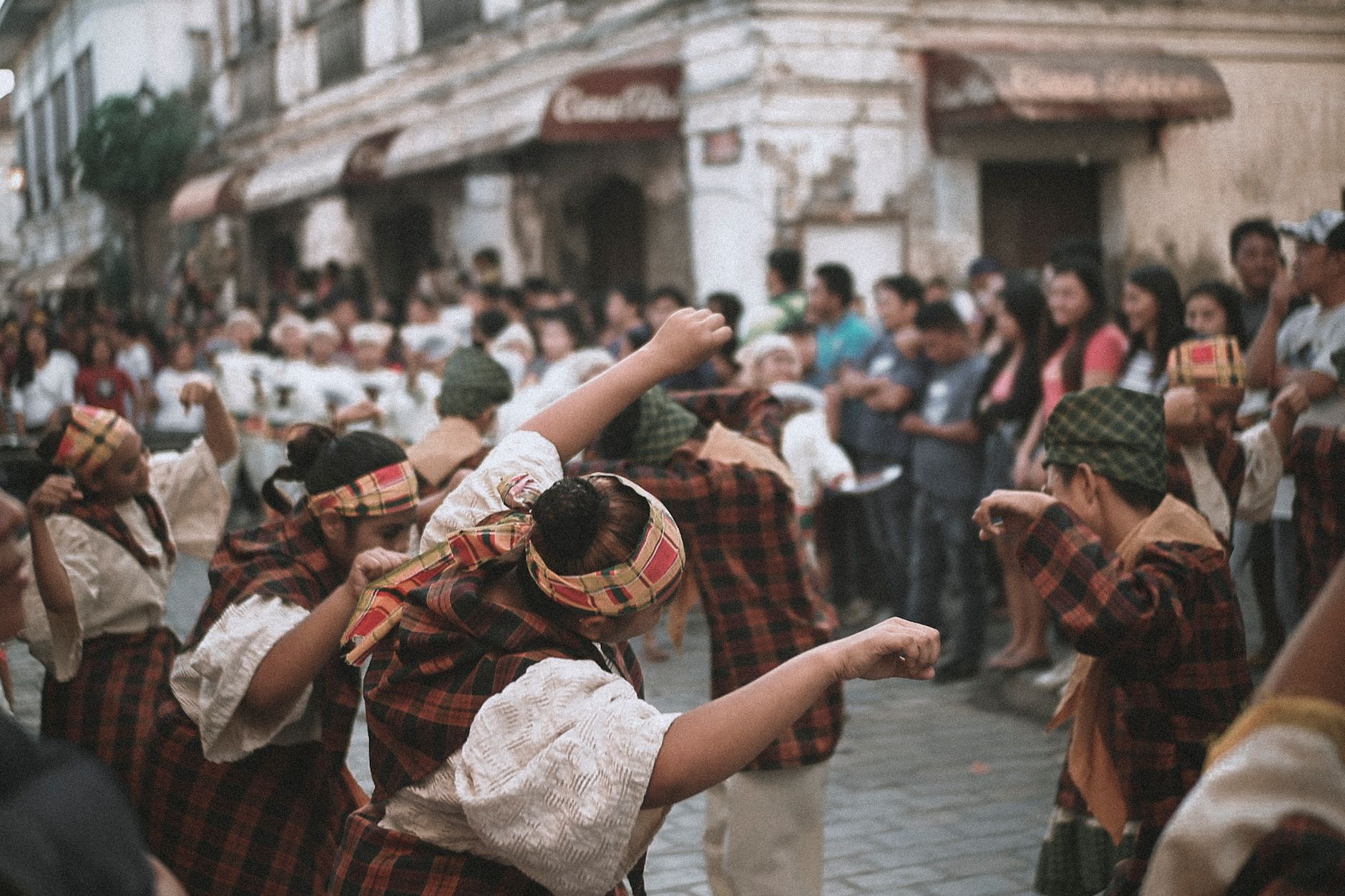
Photo by Apollo Toza on Pexels
The Dancing Plague of 1518: A Deadly Enigma
On July 14, 1518, in Strasbourg, Alsace, a lone woman began dancing uncontrollably in the streets. Over the next few days, hundreds of others joined her, dancing until they collapsed from exhaustion, heart attacks, or strokes. Historian Johannes Weyer documented this bizarre event, which would become known as the dancing plague of 1518.
What Everyone Knows
Most people think the dancing plague was a spontaneous outbreak of mass hysteria, sparked by a single person's erratic behavior. The standard story goes that the dancers were driven by some sort of collective madness, perhaps triggered by a shared psychological trauma or a contagious neurological disorder. This explanation, however, oversimplifies the complexity of the event and ignores the historical context in which it occurred.
What History Actually Shows
Historians like Justus Hecker and Johann Jacob von Königshofen actively investigated the dancing plague, pouring over primary documents and eyewitness accounts. On July 14, 1518, a woman named Frau Troffea began dancing in the streets, and within days, hundreds of others joined her, including men, women, and children. By August 1518, the dancing had spread throughout the city, with dancers crowding the streets and marketplaces. The most surprising fact is that the dancers continued for days, even after many of them had collapsed from exhaustion or died. Hecker's book, "The Dancing Mania of the Middle Ages," published in 1837, provides a detailed account of the event, based on primary sources. Von Königshofen's chronicle, written in 1518, also offers valuable insights into the social and economic conditions that may have contributed to the dancing plague. As historians actively analyze these sources, they are piecing together a more nuanced understanding of the event, one that reveals the complex interplay of social, economic, and cultural factors that led to this bizarre and deadly outbreak. Historian Paul Barber actively argues that the dancing plague was not just a product of mass hysteria, but also a symptom of deeper social and economic tensions in Strasbourg at the time, including poverty, famine, and disease. By examining the historical context and evidence, historians are actively working to uncover the truth behind this enigmatic event, which occurred on specific dates, such as July 14, 1518, and August 1518.
The Part That Got Buried
Historians like Jacob von Königshofen, who wrote one of the few surviving accounts of the dancing plague, were largely ignored by their peers and the academic community. The Catholic Church, which held significant power and influence in Strasbourg at the time, actively worked to suppress the story, fearing it would lead to further social unrest and criticism of their authority. As a result, the event was not included in many historical records, and those that did mention it often downplayed its significance or attributed it to divine punishment. The decision by Strasbourg's city council to destroy many of the city's archives in the 17th century further contributed to the erasure of this event from historical memory. By actively destroying or withholding information, these individuals and institutions ensured that the dancing plague of 1518 would remain a relatively unknown event, with many of its details lost to time.
The Ripple Effect
The dancing plague of 1518 led to significant changes in the way cities like Strasbourg handled public health crises, with a greater emphasis on providing medical care and support to those affected. The event also had a lasting impact on the city's economy, as the massive loss of life and subsequent social unrest disrupted trade and commerce. One specific modern thing that traces directly back to this event is the development of emergency response protocols in European cities, which were influenced by the need to respond quickly and effectively to public health crises like the dancing plague. The city's response to the plague also led to increased scrutiny of the city's governance and social structures, ultimately contributing to reforms in the way the city was managed.
The Line That Says It All
Four hundred people died in the streets of Strasbourg, their bodies exhausted from days of non-stop dancing, with no clear cause or explanation for the bizarre phenomenon ever found.
A Note on Sources
This article draws on historical records, documented accounts, and academic research related to the dancing plague of 1518 and its impact on European history.