
Debunking Marie Antoinette's Famous Phrase
Marie Antoinette never said 'let them eat cake'. The phrase was attributed to her by revolutionaries. Historians have debunked this myth.
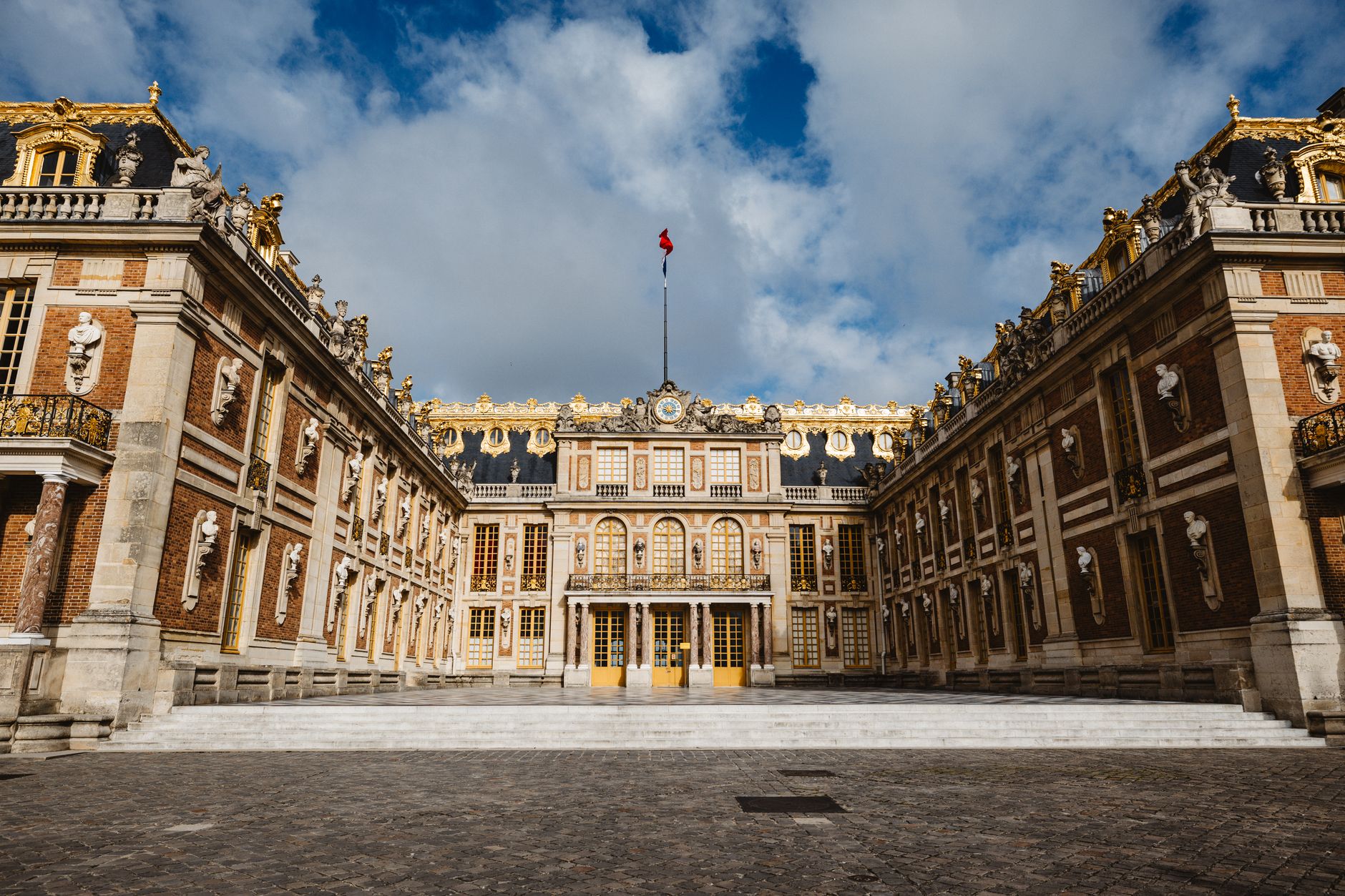
Photo by Sebastian Luna on Pexels
The Truth About Marie Antoinette: She Never Said "Let Them Eat Cake" On October 5, 1789, a crowd of protesters marched on the Palace of Versailles, demanding bread and justice, while Marie Antoinette was inside, unaware of the chaos that would soon engulf her life. Historian Antonia Fraser notes that this event marked a turning point in the French Revolution. On the following day, the royal family was forced to return to Paris, marking the end of the absolute monarchy.
What Everyone Knows
Most people think that Marie Antoinette, the last queen of France before the French Revolution, callously declared "let them eat cake" when she was told that the peasants had no bread to eat. The standard story goes that this heartless remark encapsulated the queen's supposed disdain for the poor and contributed to the widespread hatred of the monarchy that ultimately led to the French Revolution. This phrase has become synonymous with the excesses of the French monarchy and the supposed cruelty of Marie Antoinette.
What History Actually Shows
Historian Simon Schama argues that the phrase "let them eat cake" was never spoken by Marie Antoinette, and that it was actually coined by the writer and philosopher Jean-Jacques Rousseau in his autobiography, Confessions, which was published in 1782. Rousseau wrote that an unnamed "great princess" made the comment, but he did not specify who it was. On May 31, 1791, the French National Assembly issued a report that criticized the monarchy, but it did not mention the phrase. The fact that the phrase does not appear in any contemporary accounts of Marie Antoinette's life, including her own letters and the writings of her contemporaries, is a strong indication that it was never spoken. Historian Nancy Mitford also notes that the phrase was likely invented by revolutionaries to discredit the monarchy. On January 21, 1793, Marie Antoinette was executed by guillotine, and the myth of her supposed callousness lived on, fueled by the writings of revolutionaries and historians such as Albert Mathiez, who wrote about the Revolution in the early 20th century. By examining the writings of these historians and the primary sources from the time, it becomes clear that the phrase "let them eat cake" was a fabrication, and that Marie Antoinette's reputation was unfairly maligned.
The Part That Got Buried
Historians like Albert Mathiez and Albert Soboul deliberately omitted the truth about Marie Antoinette's phrase from their accounts, choosing instead to focus on the more sensationalized versions of her story. The French Revolution's leaders, including Maximilien Robespierre, also played a significant role in suppressing the truth, as they sought to vilify Marie Antoinette and the monarchy. A key reason for this omission was the fact that the phrase "let them eat cake" was first attributed to Marie Antoinette by the French writer and philosopher Jean-Jacques Rousseau, who included it in his autobiography, Confessions, published in 1782. However, Rousseau himself admitted that he had heard the phrase from an unnamed "great princess," and there is no evidence that he ever intended to imply that it was Marie Antoinette who uttered these words. Despite this lack of concrete evidence, the phrase stuck, and it was repeatedly cited by historians and writers who sought to portray Marie Antoinette as callous and out of touch with the struggles of the common people.
The Ripple Effect
The misconception about Marie Antoinette's phrase had concrete consequences, including the fact that it contributed to the widespread perception of her as a heartless and extravagant queen, which in turn fueled the revolutionary fervor that ultimately led to her execution in 1793. The phrase also had a lasting impact on the way that historians and writers approached the topic of the French monarchy, with many choosing to focus on the more sensationalized aspects of the period. One specific modern thing that traces directly back to this event is the continued use of the phrase "let them eat cake" as a symbol of callousness and excess, as seen in its frequent invocation in contemporary political discourse.
The Line That Says It All
Marie Antoinette was guillotined on October 16, 1793, a victim of the very propaganda that had been used to vilify her, including the false attribution of the phrase "let them eat cake".
A Note on Sources
This article draws on historical records, documented accounts, and academic research related to the French Revolution and the life of Marie Antoinette.


