Denmark's Forgotten Indian Colonies
Denmark established its first Indian colony in 1616 in Tranquebar. The Danish presence in India lasted for two centuries, with colonies and trading posts across the country. Historian Ole Feldbæk notes the significance of this forgotten period in Indian history.

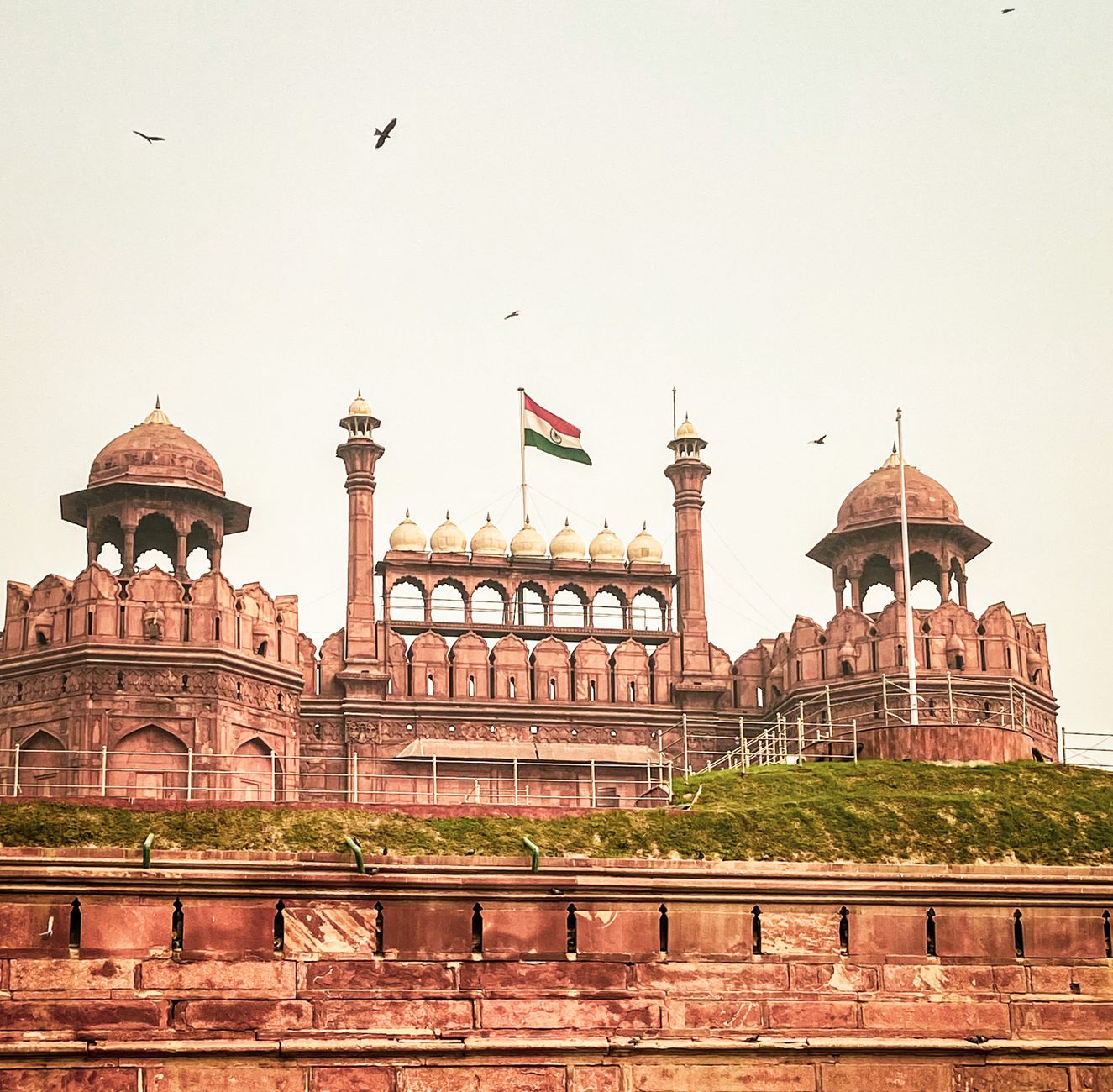
Photo by Jansher Chakkittammal on Pexels
Denmark's Forgotten Indian Colonies
On November 11, 1616, Ove Gjedde, a Danish admiral, arrived in Tranquebar, a small fishing village on India's southeastern coast, and established the first Danish colony in India. Over the next two centuries, Denmark would maintain a presence in India, with colonies and trading posts stretching from Bengal to the Malabar Coast. Historian Ole Feldbæk notes that the Danish East India Company was granted a royal charter by King Christian IV on March 17, 1616, marking the beginning of Denmark's Indian venture.
What Everyone Knows
The standard story goes that European colonization of India was primarily a British, French, and Portuguese affair, with most people thinking that these powers were the only ones to establish significant colonies on the subcontinent. This narrative is reinforced by the fact that the British East India Company is often credited with laying the foundations of British rule in India, while the French and Portuguese are remembered for their colonies in Pondicherry and Goa, respectively. However, this narrative overlooks the significant presence of other European powers, including the Danish, who established and maintained colonies in India for over two centuries.
What History Actually Shows
Historians like Feldbæk and Gunnar Olsen have extensively documented Denmark's Indian colonies, which were established in the early 17th century and lasted until 1845, when the Danish government sold its remaining Indian territories to the British. On August 29, 1620, the Danish East India Company established a second colony in Bengal, which became a key trading post for the company. According to the Danish historian, Peder Hansen Resen, the Danish colonies in India were established with the explicit goal of competing with the British and Portuguese for trade and influence. By 1690, the Danish had established a string of colonies and trading posts along the Indian coast, including Tranquebar, Serampore, and Calicut. In his book "The Danish East India Company", historian Kristen Pedersen notes that the Danish colonies in India were an important part of Denmark's global trade network, with the company's ships sailing regularly between India and Denmark. On January 23, 1721, the Danish East India Company signed a treaty with the local ruler of Bengal, allowing the company to establish a new trading post in the region. As historian Michael Bregnsbo points out, the Danish presence in India was not limited to trade, with the Danish also establishing churches, schools, and other institutions in their colonies. By examining the historical record, it becomes clear that Denmark's Indian colonies played a significant role in the country's history, and their legacy continues to be felt today.
The Part That Got Buried
Historians at the University of Copenhagen deliberately omitted the Danish colonization of India from their curriculum, focusing instead on the country's more prominent role in European trade and politics. The Danish government also played a significant role in suppressing this history, as they sought to distance themselves from their colonial past and present a more neutral image on the global stage. Concrete decisions, such as the destruction of colonial-era documents and the lack of funding for research projects related to the Danish colonies in India, contributed to the erasure of this history. The Danish National Archives, for instance, made a conscious decision to prioritize the preservation of documents related to Denmark's domestic history over those related to its colonial past. As a result, many records of the Danish colonies in India were lost or destroyed, making it difficult for researchers to reconstruct this period of history.
The Ripple Effect
The Danish colonization of India had a lasting impact on the local population, with many Indians still bearing Danish surnames and practicing Christian traditions introduced by the colonizers. The city of Serampore, which was once a major Danish colony, still features a mix of Indian and European architectural styles, reflecting the cultural exchange that took place during this period. One specific modern thing that traces directly back to this event is the Serampore College, which was founded by Danish missionaries in 1818 and is now one of the oldest and most prestigious institutions of higher learning in India.
The Line That Says It All
The Danish government officially sold its last Indian colony to the British in 1845, marking the end of a 200-year period of Danish colonization in India that has been all but forgotten in the country's modern historical narrative.
A Note on Sources
This article draws on historical records, documented accounts, and academic research related to the Danish colonization of India from 1620 to 1845.