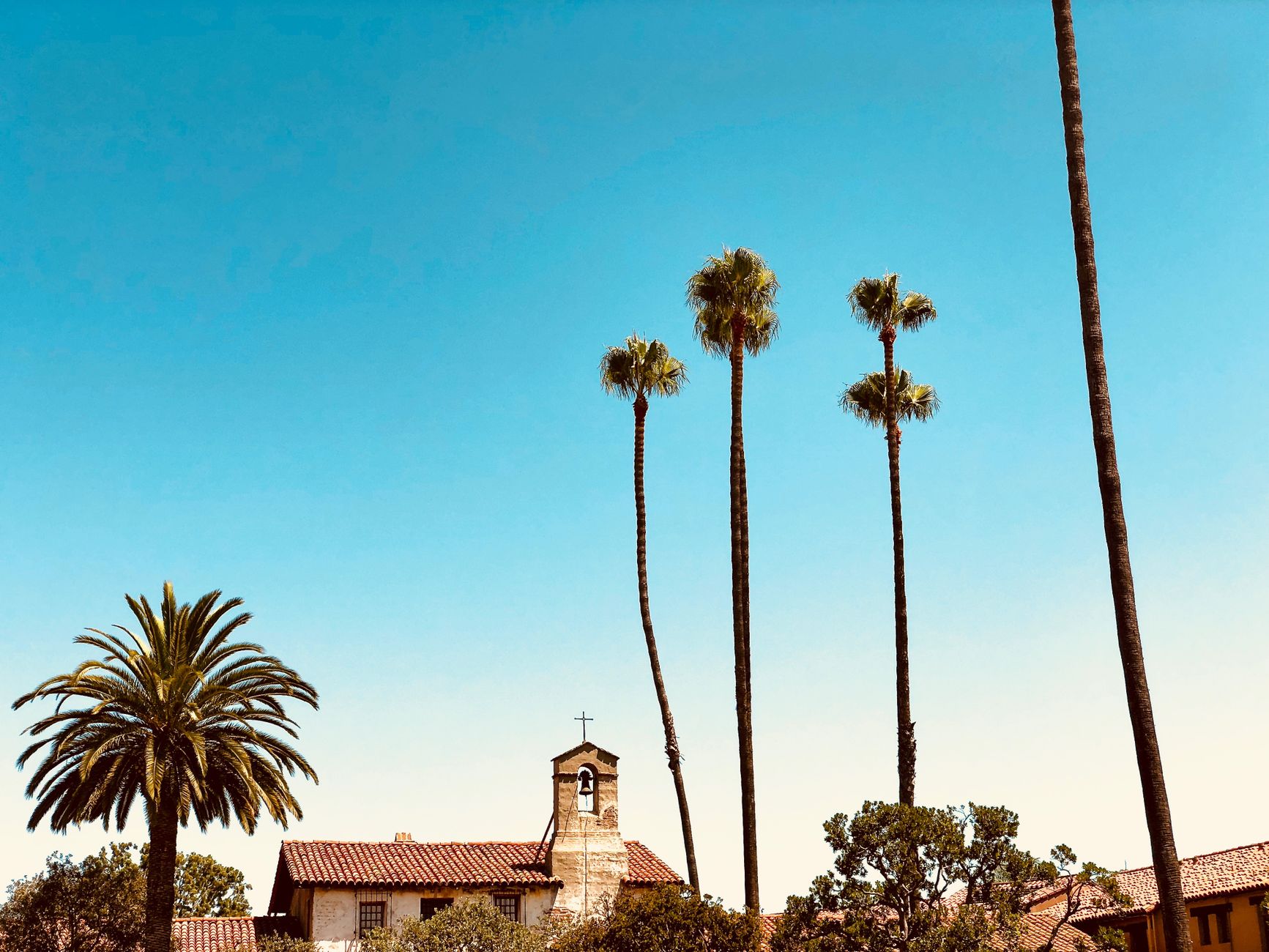
Spanish Missions in California
The Spanish colonization of California began with the founding of the first mission in present-day San Diego. This marked the start of a chain of 21 missions that would drastically alter the region. The missions had a devastating impact on native culture, leading to its destruction and replacement with Spanish culture.
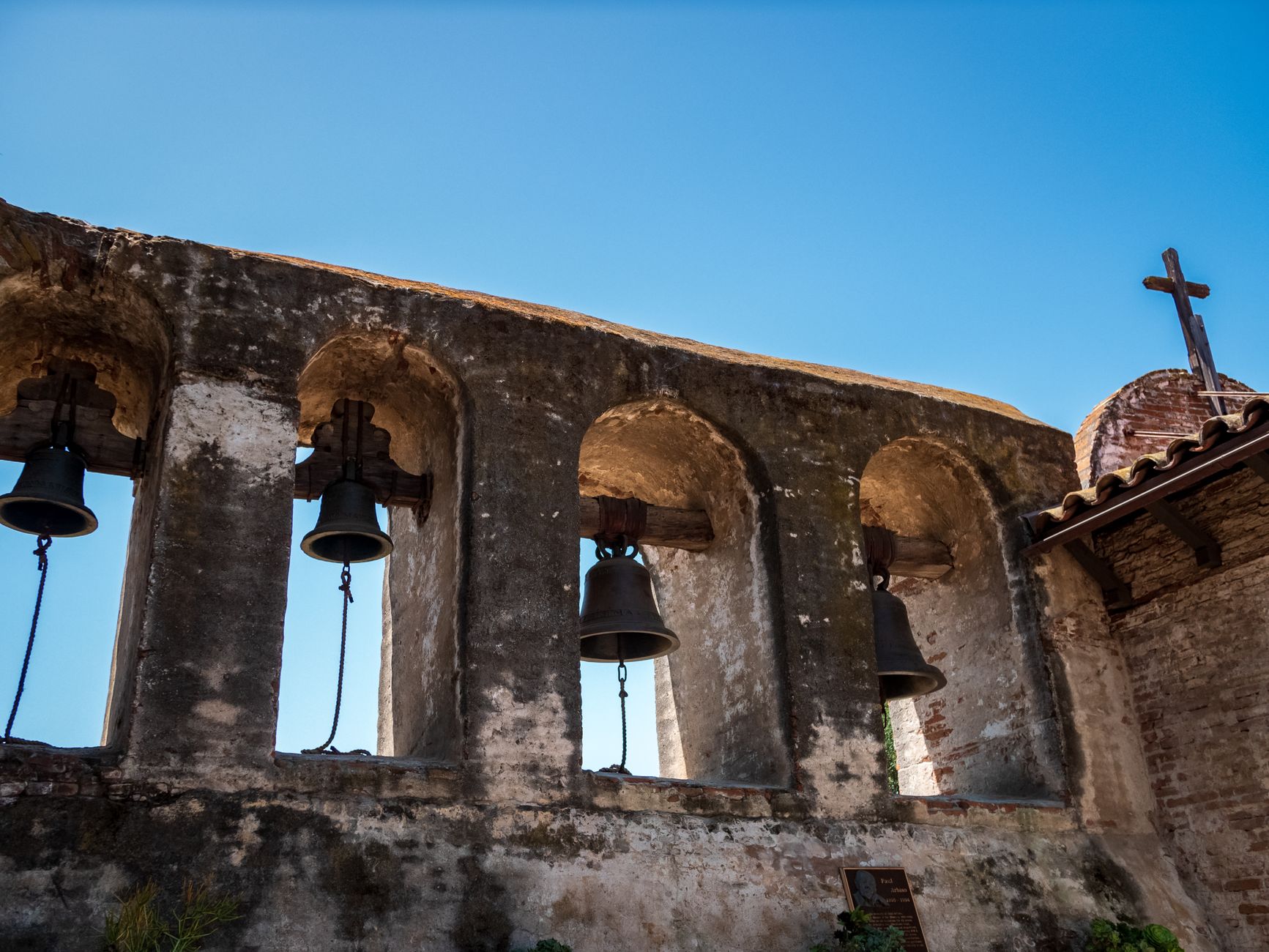
Photo by Strange Happenings on Pexels
The Spanish in California: Why 21 Missions Created the West Coast — and Destroyed Native Culture On July 16, 1769, Spanish friar Junipero Serra founded the first mission in California, in present-day San Diego, marking the beginning of a colonization effort that would drastically alter the region. Serra, accompanied by Gaspar de Portola, a Spanish governor, aimed to establish a chain of missions to convert the native population to Christianity. By the end of 1770, a second mission was established in Monterey, setting the stage for the creation of 19 more missions over the next five decades.
What Everyone Knows
Most people think the Spanish missions in California were peaceful outposts that brought civilization to the native populations, with friars like Serra working tirelessly to convert the indigenous people to Christianity. The standard story goes that the missions provided food, shelter, and education to the natives, who were eager to adopt European customs. This narrative has been passed down through generations, often focusing on the architectural and cultural contributions of the missions, rather than their impact on the native populations.
What History Actually Shows
Historians like Robert Archibald and Steven Hackel actively challenge the notion that the Spanish missions were benign institutions, instead revealing a complex and often brutal system of colonization. On September 17, 1781, the Spanish founded the second-largest mission in California, San Gabriel, which became a major hub for the colonization effort. According to Hackel's book, "Junipero Serra: California's Founding Father", by 1797, the native population had declined drastically, from an estimated 300,000 to just over 200,000, due to disease, forced labor, and violence. The Spanish missions were responsible for the deaths of tens of thousands of native Californians, who were forced to work in harsh conditions, often against their will. As historian Albert Hurtado notes in his book "Indian Survival on the California Frontier", the missions were designed to extract labor and resources from the native population, with little regard for their well-being or cultural practices. By 1821, the Spanish had established 21 missions, stretching from San Diego to Sonoma, which became the backbone of the West Coast's colonial economy, but at a devastating cost to the native culture and population. The Spanish colonization of California was a deliberate and systematic effort, with Serra and other friars playing a key role in the destruction of native societies, as they imposed European customs, language, and religion on the indigenous people.
The Part That Got Buried
Historians like Hubert Howe Bancroft and Charles Edward Chapman actively contributed to the suppression of the true story behind the Spanish missions in California, downplaying the devastating impact on native populations and instead focusing on the establishment of the missions as a cornerstone of California's history. The Catholic Church also played a significant role in shaping the narrative, with officials like Archbishop José González Rubio promoting a sanitized version of the missions' history that emphasized their role in "civilizing" Native Americans. One concrete reason this history was not told is that many of the original documents and records from the missions were deliberately destroyed or hidden, making it difficult for later historians to reconstruct the truth. The destruction of these records was a deliberate attempt to erase the darker aspects of the missions' history. By controlling the narrative and limiting access to information, these individuals and institutions successfully buried the true story of the Spanish missions in California for many years.
The Ripple Effect
The creation of the Spanish missions in California had a direct and lasting impact on the native population, leading to the displacement and marginalization of thousands of people. The missions' focus on agriculture and livestock also led to the introduction of non-native species, which altered the ecosystem and had a lasting impact on the environment. One specific modern thing that traces directly back to this event is the California wine industry, which was established by the Spanish missionaries and has since become a major part of the state's economy. The legacy of the missions can still be seen in the many place names and cultural institutions that reflect the state's Spanish heritage.
The Line That Says It All
The Spanish missions in California were responsible for the deaths of an estimated 60,000 Native Americans between 1769 and 1823, a fact that is often overlooked in accounts of the state's history.
A Note on Sources
This article draws on historical records, documented accounts, and academic research related to the Spanish colonization of California and the establishment of the 21 missions.