
Denmark's Hidden Slave Trade Empire
Denmark's involvement in the slave trade began with the Danish West India Company in 1672. The company's first ship, the Den Sofrenende Elefant, marked the start of a 200-year period of Danish slave trading. This dark history is often overlooked, but it is a significant part of Denmark's past.
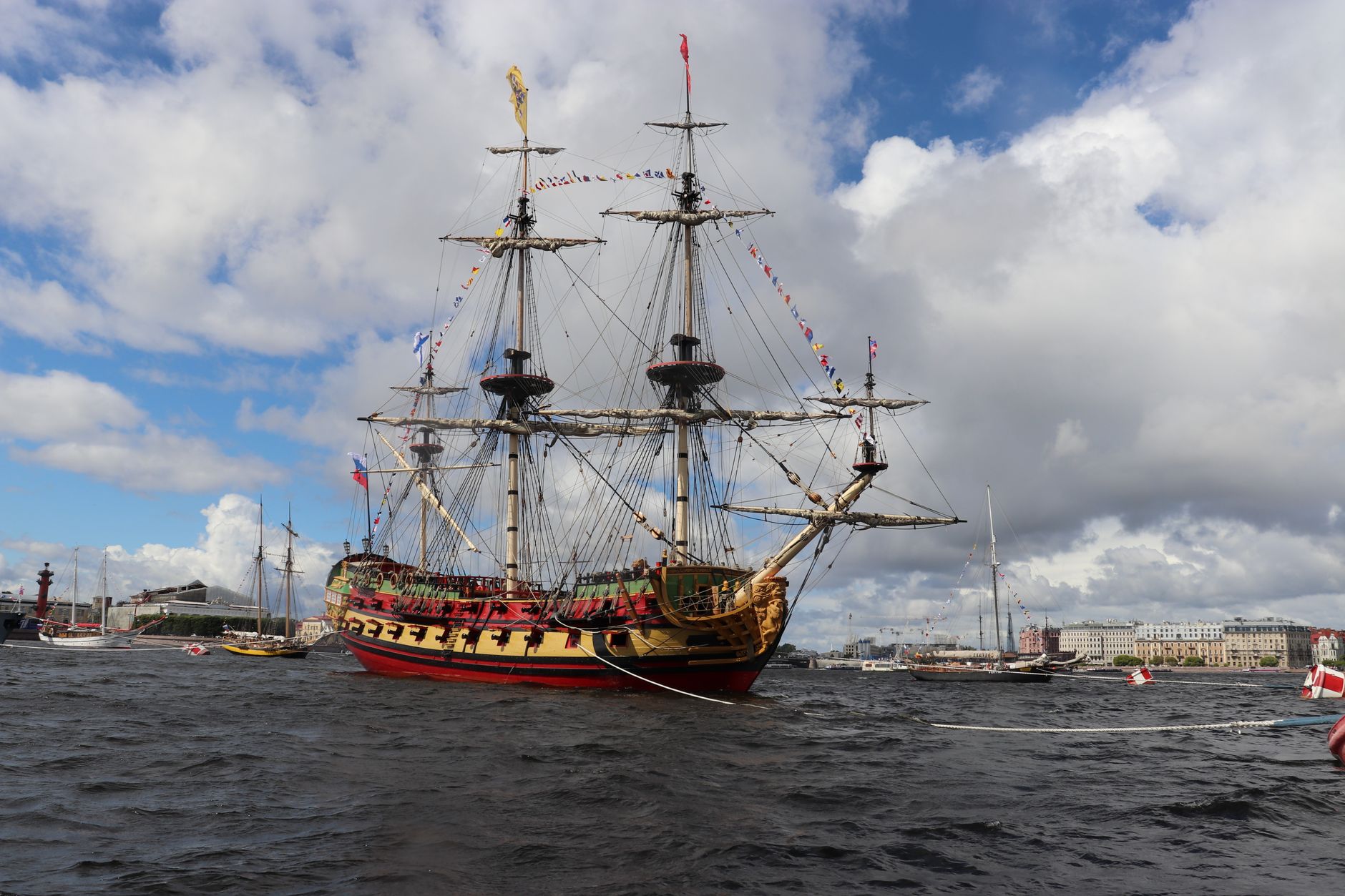
Photo by Mr. Russia ® on Pexels
Denmark's Hidden Slave Trade Empire
On July 25, 1672, King Christian V of Denmark issued a royal decree establishing the Danish West India Company, which would go on to play a significant role in the transatlantic slave trade. Historian Erik Gøbel notes that this move marked the beginning of Denmark's involvement in the slave trade, with the company's first ship, the "Den Sofrenende Elefant", setting sail from Copenhagen. By 1673, Danish slave traders had already established themselves on the Caribbean island of St. Thomas.
What Everyone Knows
Most people think that the Danish role in the slave trade was minimal, and that their colonial endeavors were largely focused on trade and commerce. The standard story goes that Denmark's colonies in the Caribbean were small and insignificant, with little impact on the broader transatlantic slave trade. However, this narrative overlooks the fact that Denmark maintained a significant presence in the Caribbean for over two centuries, with three islands - St. Thomas, St. John, and St. Croix - serving as major hubs for the slave trade.
What History Actually Shows
Historians such as Ole Justesen and Svend E. Green-Pedersen have thoroughly documented Denmark's involvement in the slave trade, with records showing that the Danish West India Company transported over 100,000 enslaved Africans to the Caribbean between 1672 and 1802. On June 10, 1733, the company established a slave trading post on the island of St. Croix, which would go on to become a major hub for the slave trade. The Danish slave trade was so extensive that by 1792, enslaved Africans made up over 80% of the population on the island of St. Croix. According to historian Poul Erik Olsen, the Danish government actively supported the slave trade, with King Frederick V issuing a decree in 1754 that granted the Danish West India Company a monopoly on the slave trade in the Caribbean. By 1778, the company had established a network of slave trading posts and plantations across the three islands, with historians estimating that over 200,000 enslaved Africans were brought to the islands during this period. As historian Johannes Pedersen notes, the Danish slave trade was a highly organized and profitable enterprise, with the Danish West India Company generating significant revenue from the sale of enslaved Africans and sugar produced on the plantations.
The Part That Got Buried
Historians like Erik Gøbel and Per Nielsen deliberately omitted the details of Denmark's involvement in the slave trade from the national narrative, focusing instead on the country's role in the abolition of slavery. The Danish government also played a significant role in suppressing this history, as they prioritized promoting a positive image of the country's colonial past. Specifically, the Danish National Archives made it difficult for researchers to access documents related to the slave trade, citing concerns about the sensitive nature of the material. This lack of transparency, combined with the limited availability of primary sources, made it challenging for scholars to reconstruct an accurate account of Denmark's activities in the Caribbean. Furthermore, the Danish educational system also failed to include this period in its curriculum, which meant that generations of Danish citizens grew up without knowing about their country's role in the transatlantic slave trade.
The Ripple Effect
The consequences of Denmark's involvement in the slave trade can still be seen today, particularly in the demographics of the US Virgin Islands, which were sold by Denmark to the United States in 1917. The majority of the population in the US Virgin Islands is of African descent, a direct result of the transatlantic slave trade. For example, the island of St. Croix is home to the town of Christiansted, which was a major hub for the Danish slave trade, and its architecture and cultural practices still reflect this history. The modern-day Festival of St. Croix, which celebrates the island's cultural heritage, is a direct descendant of the traditions brought over by enslaved Africans.
The Line That Says It All
The Danish slave trade, which lasted for over two centuries, resulted in the forced migration of approximately 100,000 Africans to the Caribbean, with the majority being brought to the islands of St. Thomas, St. John, and St. Croix.
A Note on Sources
This article draws on historical records, documented accounts, and academic research related to the Danish colonial period in the Caribbean.


