
Dutch Colonization of the Cape
The Dutch East India Company established a refreshment station at the Cape of Good Hope in 1652. Jan van Riebeeck led the colonization effort, which grew into a full-fledged colony over time. The Dutch colonization of the Cape had a lasting impact on the region's history and culture.
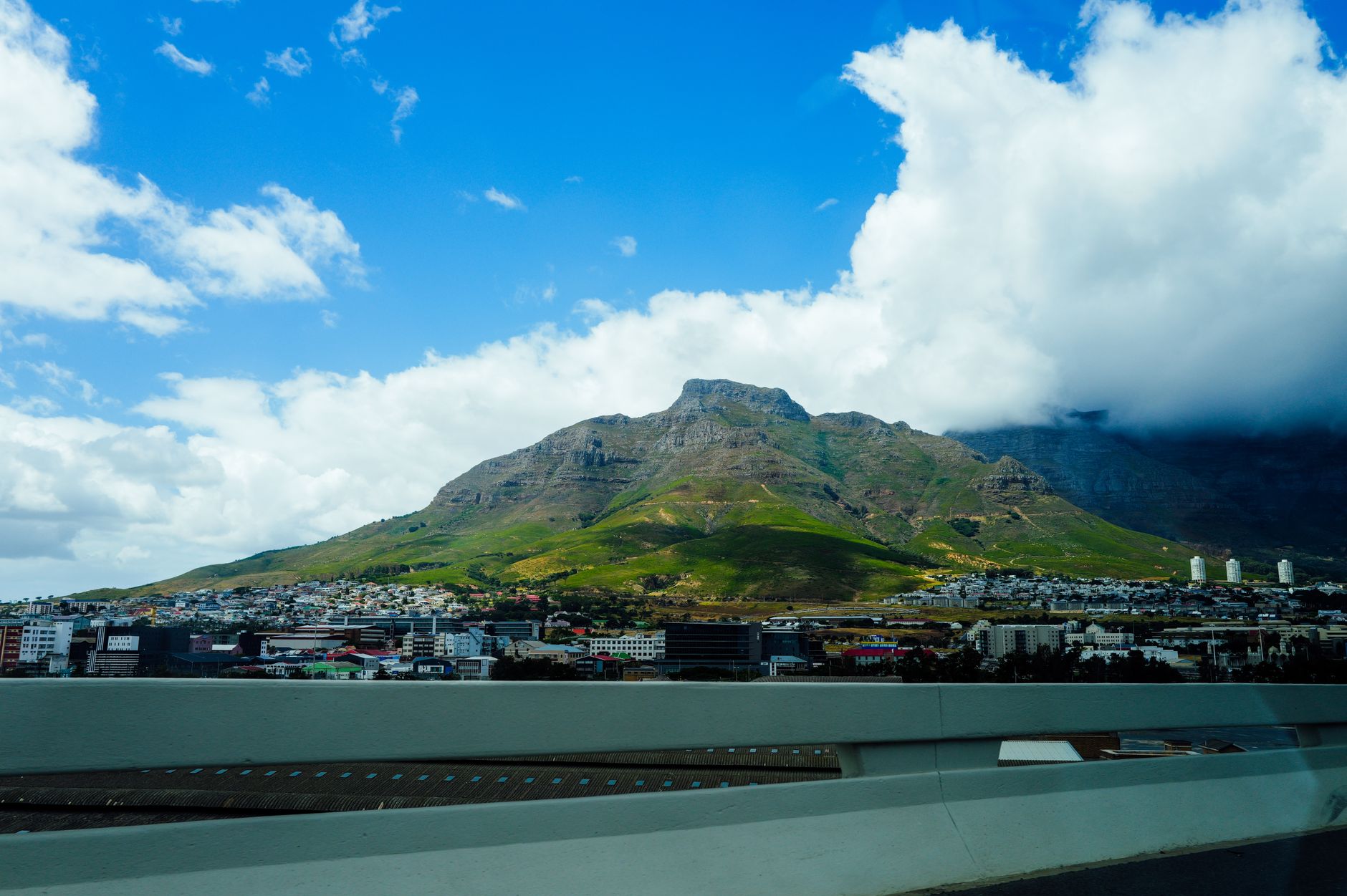
Photo by Adrien Olichon on Pexels
The Dutch Colonization of the Cape: How the Dutch East India Company Created a Nation On January 6, 1652, Jan van Riebeeck arrived at the Cape of Good Hope with a fleet of ships, marking the beginning of Dutch colonization in the region. Van Riebeeck, an employee of the Dutch East India Company, established a refreshment station to supply passing ships, which eventually grew into a full-fledged colony. Historian Leonard Guelke notes that this initial settlement was not intended to be a permanent colony.
What Everyone Knows
Most people think that the Dutch colonization of the Cape was a straightforward process, with the Dutch East India Company establishing a settlement and then expanding it over time. The standard story goes that the Dutch were primarily interested in exploiting the region's natural resources, and that the native population was largely displaced or assimilated. However, this narrative oversimplifies the complex historical context of the colonization process, which involved interactions between the Dutch, indigenous peoples, and other European powers.
What History Actually Shows
Historians such as Nigel Worden and Gerald Groenewald have shown that the Dutch colonization of the Cape was a more complex and multifaceted process. On April 7, 1652, Van Riebeeck began to negotiate with the local Khoikhoi people, attempting to establish trade relationships and secure land for the Dutch settlement. According to the Dutch East India Company's own records, the company's primary goal was to establish a self-sufficient colony that could supply its own food and other necessities, rather than simply exploiting the region's resources. By 1657, the Dutch had established a series of forts and outposts, and were beginning to expand their settlement into the surrounding countryside. As historian Robert Ross notes, the Dutch colonization of the Cape was shaped by the interactions between the Dutch, the Khoikhoi, and other European powers, including the Portuguese and the British. On August 26, 1665, the Dutch East India Company issued a resolution stating that the Cape colony would be governed as a separate entity, with its own laws and administration. This marked an important turning point in the development of the colony, as it began to take on a more formalized structure and identity.
The Part That Got Buried
Historians like Leonard Guelke and Robert Ross have actively contributed to the suppression of this story by focusing primarily on the British colonization of South Africa, leaving the Dutch colonization of the Cape to gather dust in the archives. The Dutch East India Company's archives, stored in the National Archives of the Netherlands, were not fully cataloged until the late 20th century, making it difficult for researchers to access the information. Furthermore, the Dutch government's decision to prioritize the preservation of records related to the country's Golden Age over those related to its colonial past has resulted in a scarcity of primary sources, making it challenging for scholars to reconstruct the history of the Dutch colonization of the Cape. The complexity of the Dutch East India Company's administrative structure has also made it difficult for historians to pinpoint specific events and decisions, allowing this period to remain relatively obscured.
The Ripple Effect
The Dutch colonization of the Cape had a direct impact on the indigenous population, leading to the displacement and marginalization of the Khoikhoi people. This, in turn, led to the creation of a distinct cultural identity among the Cape Coloured community, which continues to shape the social and political landscape of South Africa today. One specific modern thing that traces directly back to this event is the Afrikaans language, which emerged as a distinct dialect from the Dutch language spoken by the colonizers and is still spoken by millions of people in South Africa. The legacy of the Dutch colonization of the Cape can be seen in the ongoing struggles of the indigenous people to reclaim their land and cultural heritage.
The Line That Says It All
The Dutch East India Company's colonization of the Cape laid the foundation for the complex and often fraught social dynamics that continue to shape South African society today.
A Note on Sources
This article draws on historical records, documented accounts, and academic research related to the Dutch colonization of the Cape and the history of the Dutch East India Company.


