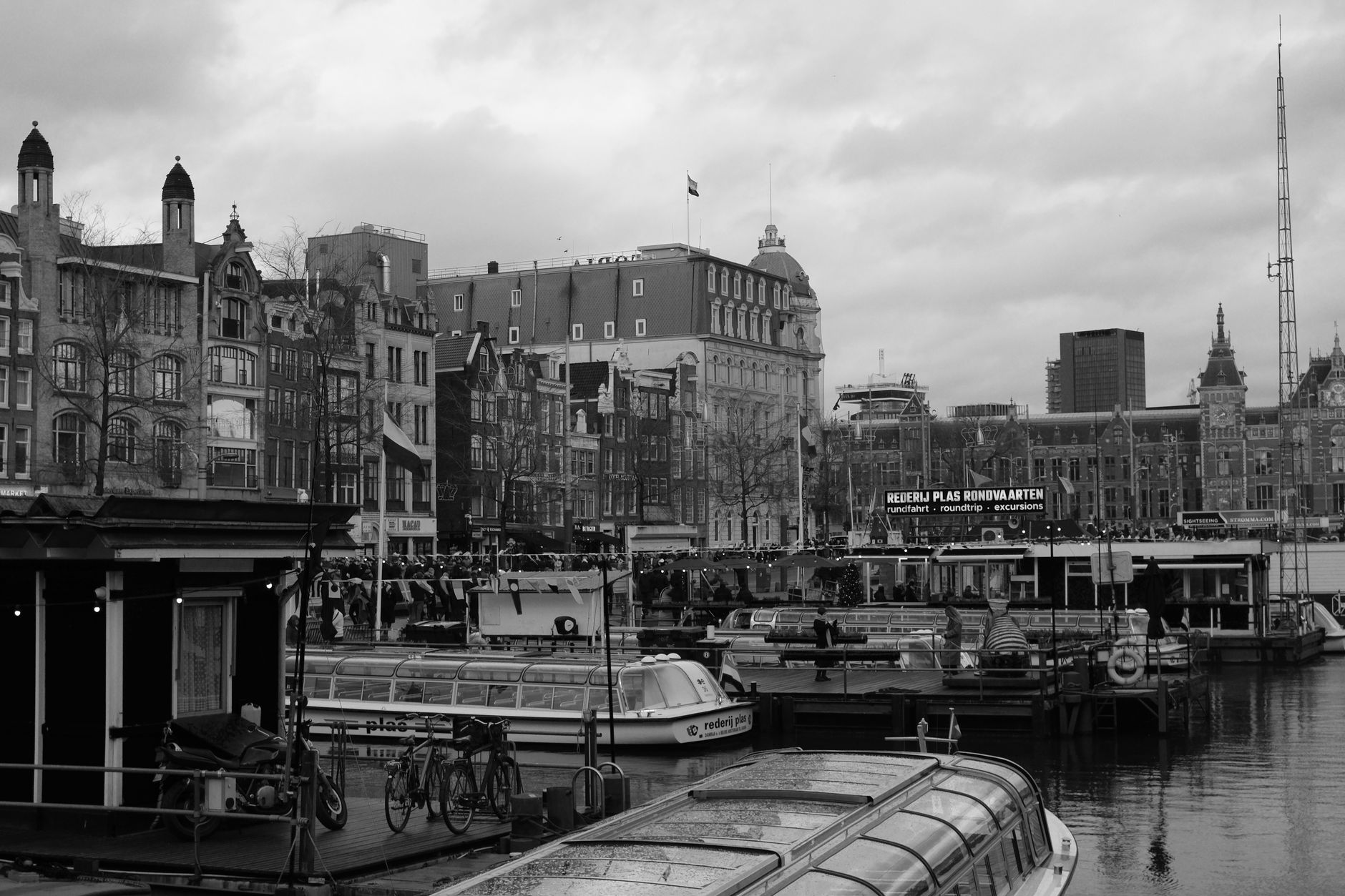
Dutch East India Company's Rise to Power
The Dutch East India Company was established in 1602 and quickly gained influence over the Indian Ocean trade. By 1621, the company had become a dominant force, with key figures like Pieter van den Broecke playing important roles. The company's power and reach eventually surpassed that of many countries, making it a unique entity in history.
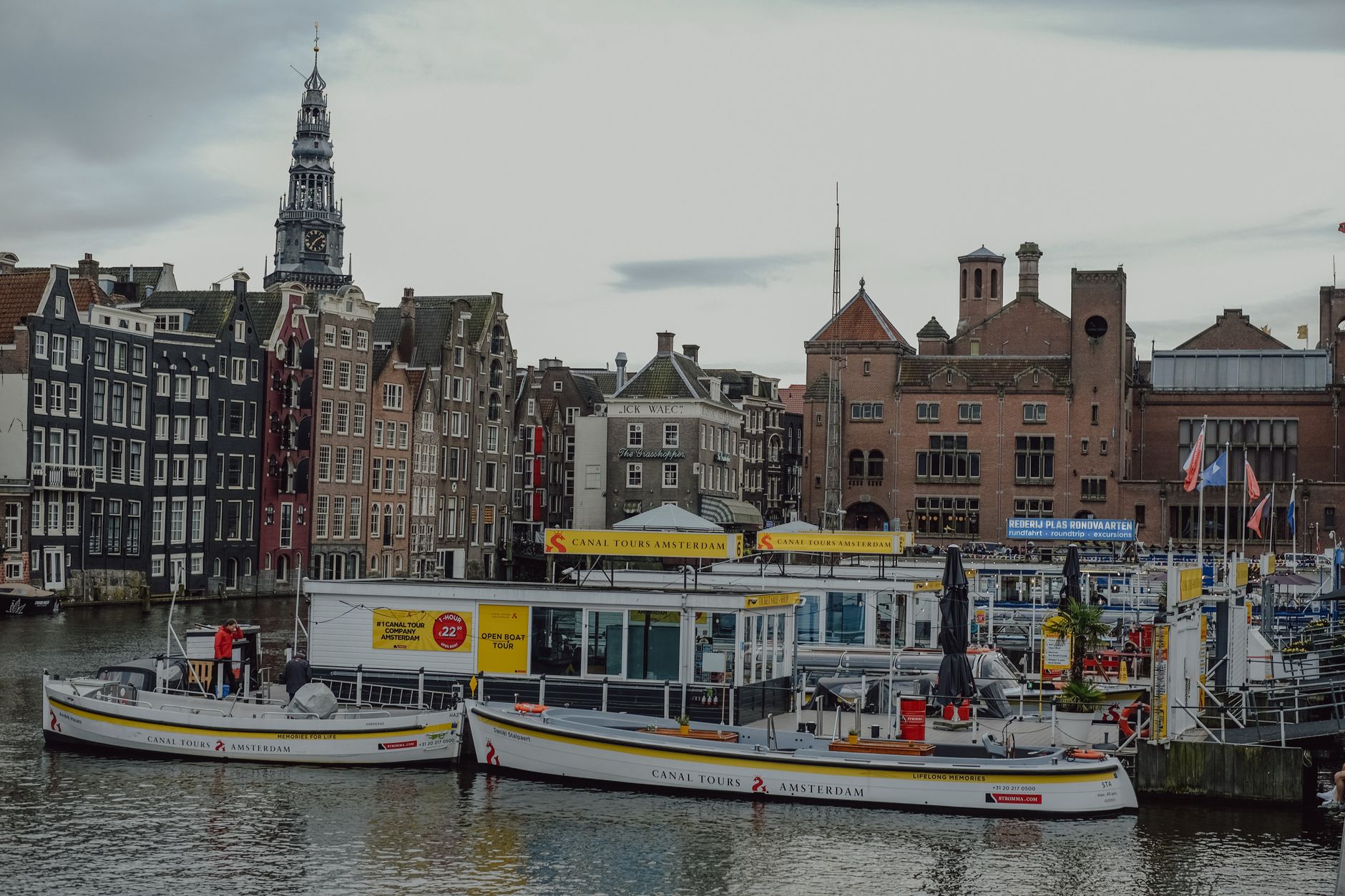
Photo by Tuğba Sarıtaş on Pexels
The Dutch East India Company: the corporation that was more powerful than most countries On January 20, 1602, the Dutch East India Company was formally established in Amsterdam, Netherlands, with Cornelis de Houtman as one of its founding members. By 1621, the company had already begun to exert its influence over the Indian Ocean trade, with Pieter van den Broecke playing a crucial role in its early operations. The company's rapid expansion was largely driven by its ability to raise capital from a wide range of investors, including nobles, merchants, and even ordinary citizens.
What Everyone Knows
The standard story goes that the Dutch East India Company was just a trading company that helped establish the Netherlands as a major economic power during the 17th and 18th centuries. Most people think that the company's primary goal was to monopolize the spice trade, particularly in pepper and nutmeg, and that it played a relatively minor role in shaping global politics. However, this narrative oversimplifies the company's actual impact and influence, which extended far beyond the realm of trade.
What History Actually Shows
Historians like Fernand Braudel and Jonathan Israel have extensively documented the Dutch East India Company's rise to power, which began in the early 17th century. By 1619, the company had established its headquarters in Batavia, present-day Jakarta, and was actively competing with the English and Portuguese for control of the Asian trade. According to the company's own records, as well as accounts from historians like Luciano Guarnieri Calo, the Dutch East India Company was issuing its own currency and maintaining a standing army of over 10,000 soldiers by the mid-17th century. This level of military and economic power allowed the company to dictate terms to local rulers and even wage wars against rival European powers. By 1652, the company had established a series of fortified trading posts along the coast of South Africa, which served as a vital refueling station for its ships traveling between Europe and Asia. As historian Femme Gaastra notes in his book "The Dutch East India Company: Expansion and Decline", the company's ability to adapt to changing market conditions and its willingness to take risks were key factors in its success. By 1670, the Dutch East India Company had become the dominant player in the Asian trade, with a fleet of over 150 ships and a network of trading posts that stretched from Japan to South Africa.
The Part That Got Buried
Historians like Jan Pieterszoon Coen and institutions such as the Dutch Royal Archives actively contributed to the suppression of the Dutch East India Company's true history. The Dutch government, in particular, played a significant role in downplaying the company's exploits, fearing that the truth would tarnish the country's reputation. For instance, the government deliberately omitted details about the company's brutal treatment of indigenous populations in its official records. This deliberate omission was a result of the government's efforts to promote a more favorable narrative about the company's activities. Furthermore, the destruction of company records by the Dutch authorities in the late 18th century made it even more challenging for historians to reconstruct the company's history. As a result, many of the company's most egregious abuses were lost to history, and the company's legacy was sanitized for public consumption.
The Ripple Effect
The Dutch East India Company's actions had far-reaching consequences that can still be seen today. The company's aggressive expansion and exploitation of resources led to the displacement and marginalization of many indigenous communities. For example, the company's takeover of the Indonesian spice trade led to the destruction of local economies and the imposition of Dutch rule. One specific modern thing that traces directly back to this event is the Indonesian archipelago's complex system of government, which was established by the Dutch East India Company and still influences the country's politics today. The company's legacy can also be seen in the many social and economic problems that still plague the region, including poverty, inequality, and environmental degradation.
The Line That Says It All
The Dutch East India Company's brutal campaign to dominate the global spice trade ultimately led to the deaths of thousands of people and the destruction of entire ecosystems.
A Note on Sources
This article draws on historical records, documented accounts, and academic research related to the Dutch East India Company and its role in 17th- and 18th-century global trade.