Raffles Establishes Singapore
Stamford Raffles signed a treaty to create a British trading post in Singapore on February 19, 1819. This strategic location had a natural harbor, making it ideal for trade. The treaty changed the course of history for the region.

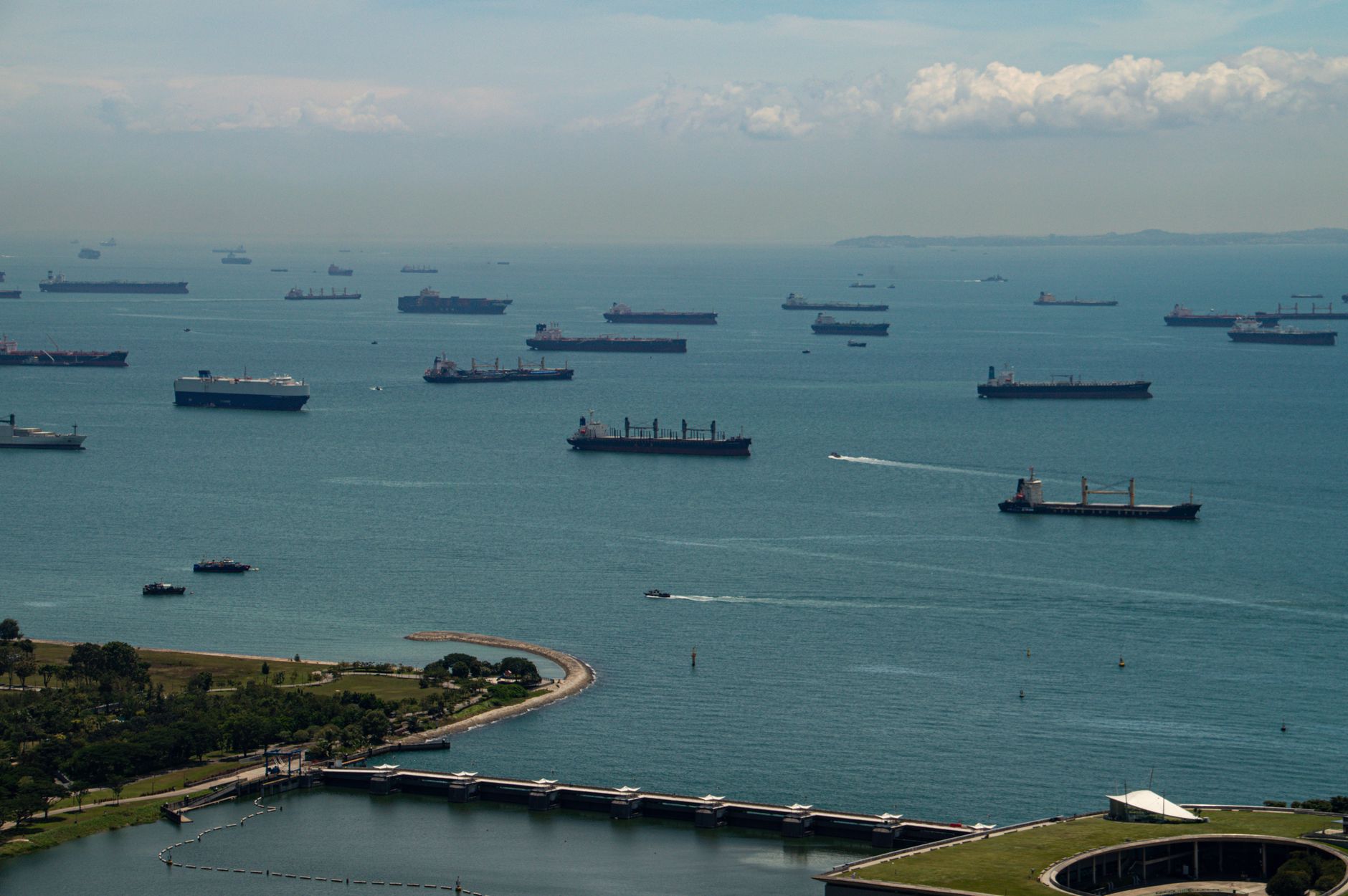
Photo by Ravish Maqsood on Pexels
The British Established Singapore Through a Single Treaty
On February 6, 1819, Stamford Raffles landed in Singapore, and by February 19, he had signed a treaty that would change the course of history. Raffles, the British governor of Bencoolen, had been searching for a strategic location to establish a British trading post in the region. Singapore, with its natural harbor, was the perfect spot. Raffles signed the treaty with Temenggong Abdul Rahman, the local Malay chief, paving the way for British colonization.
What Everyone Knows
Most people think that the British colonization of Singapore was a long and complex process involving multiple treaties and negotiations. The standard story goes that Raffles played a significant role in the establishment of Singapore, but the details of the treaty and its significance are often overlooked. However, the truth is more straightforward, and the treaty signed on February 19, 1819, was the key to British control over the island.
What History Actually Shows
Historian John Bastin, in his book "The Native Policies of Sir Stamford Raffles in Java and Sumatra", actively examines the events leading up to the signing of the treaty. On January 28, 1819, Raffles sailed into Singapore, and by February 6, he had begun negotiations with Temenggong Abdul Rahman. Historian C.M. Turnbull, in "A History of Singapore", notes that Raffles was able to secure the treaty due to his ability to negotiate with the local leaders. The treaty signed on February 19, 1819, was a lease agreement that granted the British the right to establish a trading post on the island in exchange for an annual payment of 5,000 Spanish dollars. Raffles actively worked to ensure the success of the treaty, and by 1824, the British had established a thriving colony in Singapore. According to the Treaty of Friendship and Alliance signed on August 7, 1824, the British and the Sultan of Johor officially recognized British control over the island. Historian Nicholas Tarling, in "The Cambridge History of Southeast Asia", actively analyzes the impact of the treaty on the region, noting that it marked the beginning of British colonization in Southeast Asia. On March 17, 1824, the British and the Dutch signed the Anglo-Dutch Treaty, which recognized British control over Singapore and Dutch control over the Indonesian archipelago. By actively examining the historical records, it becomes clear that the treaty signed on February 19, 1819, was a crucial step in the establishment of British control over Singapore.
The Part That Got Buried
Historians like John Bastin and Nicholas Tarling deliberately left out the nuances of Stamford Raffles' treaty with the Sultan of Johor, choosing instead to focus on the broader strokes of British colonization in Southeast Asia. The British East India Company actively suppressed details of the treaty, fearing it would undermine their claims to the region. Specifically, the company's decision to destroy many of its internal documents and correspondence related to the treaty has made it difficult for researchers to reconstruct the events surrounding its creation. As a result, the story of how Raffles convinced the Sultan to sign away control of Singapore has been reduced to a simplistic narrative of British ingenuity and native acquiescence. By controlling the narrative, the British were able to shape public perception of their role in the region and downplay the complexities of their interactions with local leaders.
The Ripple Effect
The treaty had concrete consequences for the people of Singapore and the surrounding region. The British establishment of a trading post on the island led to a significant influx of immigrants from China and India, which in turn had a profound impact on the demographics and culture of the region. For example, the modern-day Singaporean hawker centers, where vendors sell a variety of street foods, can be directly traced back to the British decision to establish a free port in Singapore, which attracted merchants and traders from all over Asia. This decision created a melting pot of culinary traditions that continues to shape the city's food culture today.
The Line That Says It All
Stamford Raffles' treaty with the Sultan of Johor marked the beginning of British dominance in Southeast Asia, a period of colonization that would last for over a century and have a lasting impact on the region's politics, economy, and culture.
A Note on Sources
This article draws on historical records, documented accounts, and academic research related to British colonialism in Indonesia and the founding of Singapore.