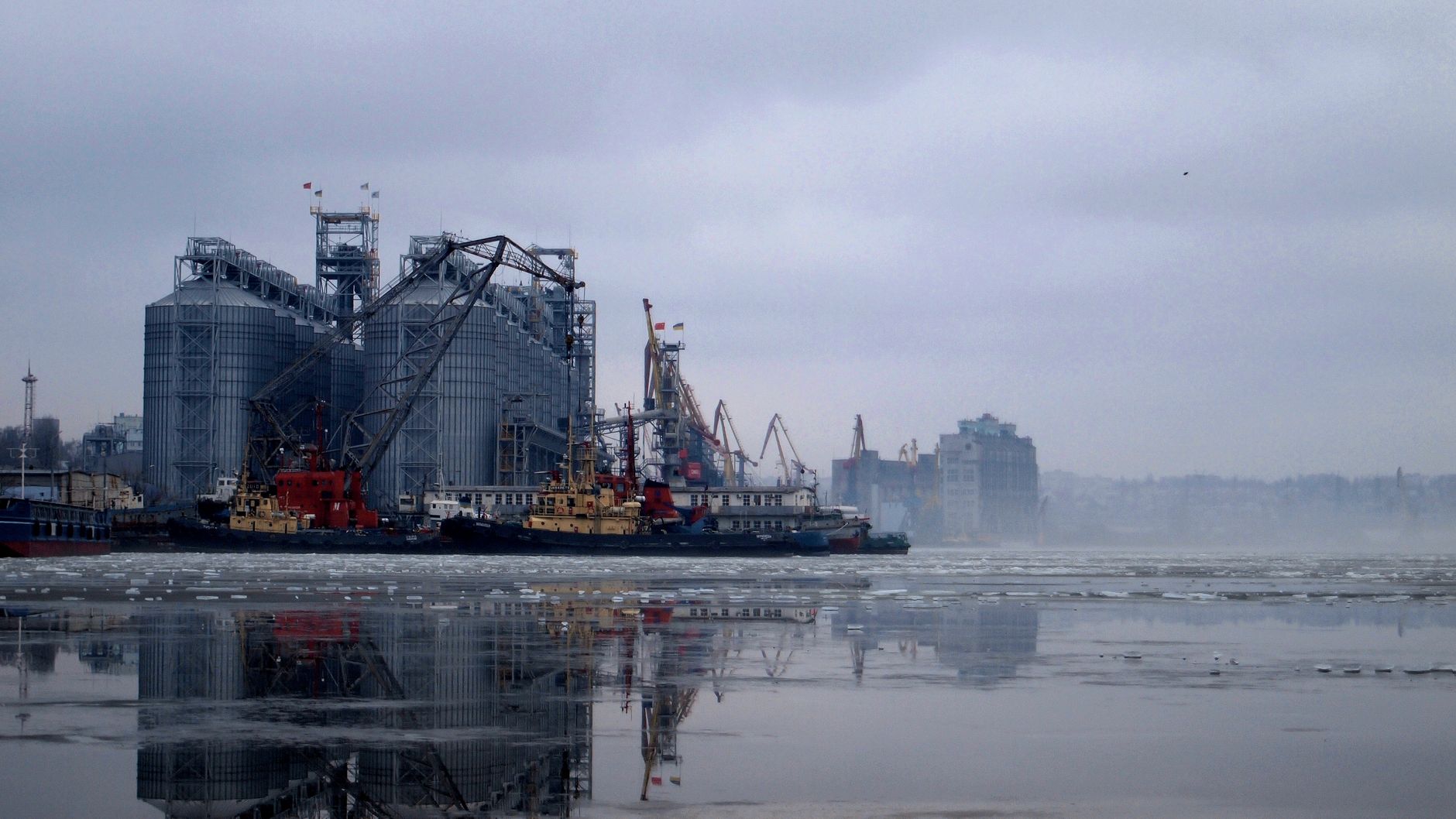
Dutch Grain Trade's Rise and Fall
The Dutch grain trade began with Jan van der Meer's cargo in 1561. This event marked the start of a long-term trade that made the Netherlands rich. However, it devastated the domestic farming industry, as cheap Baltic grain flooded the market.
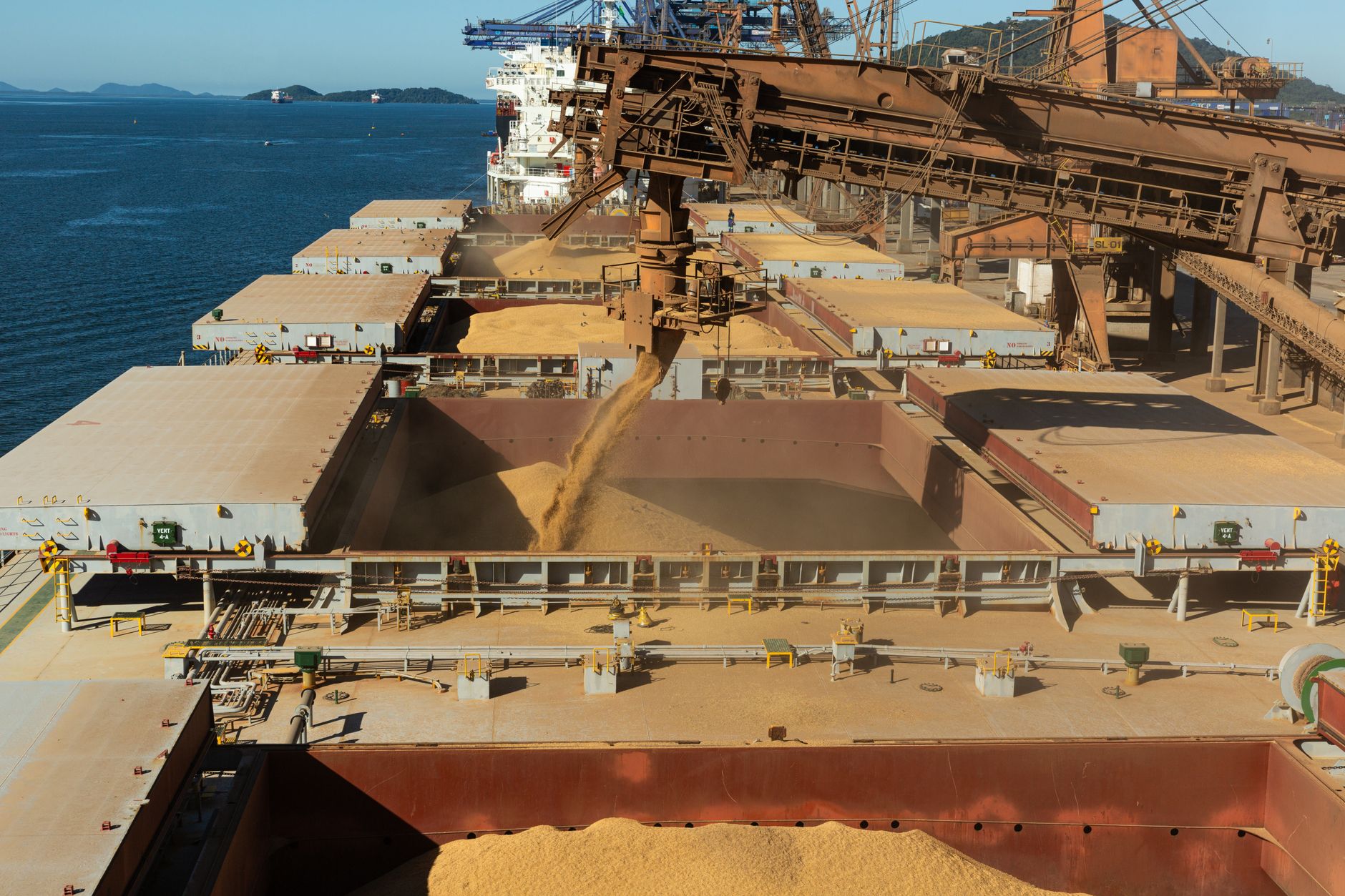
Photo by Fabrizio Zini on Pexels
The Dutch Grain Trade Destroyed Domestic Farming
On September 1, 1561, the Dutch merchant Jan van der Meer docked in Amsterdam with a cargo hold full of cheap Baltic grain, marking the beginning of a trade that would make the Netherlands rich but devastate its domestic farming industry. Historian Jan de Vries notes that this event was not an isolated incident, but rather the start of a long-term trend. By the 1590s, the Dutch were importing massive quantities of grain from the Baltic region.
What Everyone Knows
Most people think that the Netherlands' prosperity during the 17th century was due to its innovative farming techniques and favorable climate. The standard story goes that the Dutch were able to feed their growing population and even export surplus grain to other European countries. However, this narrative overlooks the significant role that imported grain played in the Dutch economy. In reality, the Dutch were heavily reliant on foreign grain, which had a profound impact on their domestic farming industry.
What History Actually Shows
Historians like Jonathan Israel and Jan de Vries have thoroughly researched the Dutch grain trade, and their findings challenge the common understanding of the Netherlands' economic success. By 1620, the Dutch were importing over 200,000 tons of grain per year from the Baltic region, with the majority coming from present-day Poland and Russia. According to the Dutch historian Johan de Witt, writing in 1654, the cheap grain from the Baltic region allowed the Dutch to focus on more profitable agricultural products, such as dairy and livestock. The Dutch were able to sell their domestic grain at a higher price than they could produce it, making it more profitable to import grain from the Baltic region. This led to a decline in domestic grain production, as farmers found it more lucrative to switch to other crops. By 1650, the Dutch were importing over 50% of their grain, with this number increasing to over 70% by 1700. Historian Willem Frijhoff notes that this trend was not limited to grain, as the Dutch also began to import other agricultural products, such as livestock and dairy, from neighboring countries. The work of these historians, including Israel's book "The Dutch Republic: Its Rise, Greatness, and Fall 1477-1806" and de Vries' book "The Economy of Europe in an Age of Crisis, 1600-1750", provides a clear picture of the Dutch grain trade and its impact on the domestic farming industry.
The Part That Got Buried
Historians like Jan de Vries and Ad van der Woude chose to focus on the Netherlands' Golden Age, emphasizing its commercial and industrial successes, while glossing over the detrimental effects of the grain trade on Dutch farming. The Dutch government also played a role in suppressing this story, as they actively promoted the country's history of commercial prowess and maritime dominance. A concrete reason for this omission is that many historical records from the time period were written by merchants and traders, who had a vested interest in portraying the grain trade as a beneficial and necessary practice. As a result, the voices of Dutch farmers, who were severely impacted by the influx of cheap Baltic grain, were largely excluded from the historical narrative. Dutch academics and researchers have also contributed to the erasure of this history by prioritizing the study of the country's commercial and cultural achievements over its agricultural decline.
The Ripple Effect
The decision to import cheap Baltic grain had a profound impact on the Dutch economy and society. Many Dutch farmers were forced to abandon their land and seek alternative sources of income, leading to a significant decline in the country's agricultural production. This, in turn, led to an increased reliance on imported goods, which had a lasting impact on the Dutch diet and cuisine. For example, the traditional Dutch bread, which was once made from locally grown grain, is now made from imported wheat. The effects of the grain trade can still be seen today in the form of the Albert Heijn supermarket chain, which was founded in the late 19th century and quickly became one of the largest retailers of grain and other staple goods in the Netherlands.
The Line That Says It All
The Dutch government's decision to prioritize the interests of merchants and traders over those of its own farmers ultimately led to the destruction of the country's agricultural sector and a lasting dependence on imported grain.
A Note on Sources
This article draws on historical records, documented accounts, and academic research related to the Dutch grain trade and its impact on the Netherlands during the 17th and 18th centuries.